If you spend most of your day in an office, you already know how draining it can feel. The fluorescent lights, the stale air, the endless screen time—it all adds up. The good news? Adding a few indoor plants to your workspace can genuinely shift how you feel and perform.
Indoor plants for improving office productivity aren’t just about making your desk look nicer. Plants actually reduce stress, boost concentration, and clean the air around you. When you’re surrounded by greenery, your brain relaxes a little. Your mood improves. You breathe easier. And yes, you get more done.
Related: Best Plants for Improving Office Air Quality
Let’s walk through the best plants for your office and how to use them to create a workspace that actually supports your focus.
Why Plants Actually Make You More Productive
Before we talk about which plants to pick, let’s be real about why this matters.
Plants purify the air around you by reducing mold spores and filtering out common indoor toxins. That sounds scientific, but the practical effect is simple: you breathe better air, which means less brain fog and more energy to focus on your work.
Beyond air quality, plants boost humidity levels in dry office spaces. When the air is too dry, your throat gets scratchy, your eyes feel tired, and your concentration tanks. A few plants in the room raise humidity naturally, making breathing easier and more comfortable throughout your day.
Then there’s the psychological side. Looking at greenery calms your nervous system. It reduces stress and anxiety. When you’re less stressed, you’re more creative, you make better decisions, and you actually want to be at your desk.
If you’re looking to transform your office into a space that supports your best work, Nature Indoors specializes in designing custom plant solutions for home offices and commercial workspaces.
6 Best Indoor Plants for Office Productivity
Not all plants are created equal when it comes to office life. You want plants that are forgiving (because real life happens), that clean the air, and that thrive under typical office lighting.
Here are the six plants that deliver on all fronts:
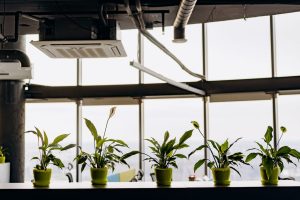
Peace Lily
The Peace Lily is a flowering plant that does double duty: it purifies indoor air and promotes relaxation. It’s one of the most effective air-cleaning plants you can buy, and it actually tells you when it’s thirsty by drooping slightly.
Peace Lilies thrive in low to medium light, so they’re perfect for interior offices away from windows. They produce elegant white flowers that soften any workspace. Just water when the soil feels dry to the touch.
Snake Plant (Sansevieria)
The Snake Plant is basically indestructible. It tolerates neglect, low light, and irregular watering. If you’ve killed every plant you’ve ever owned, start here.
What makes it perfect for offices? It removes toxins from the air and releases oxygen at night. Its tall, sculptural leaves add visual interest to shelves or corners. Plus, it needs watering only once a month or so.
Pothos
Pothos is a trailing vine that’s nearly impossible to kill. It grows in low light, adapts to any humidity level, and bounces back from neglect. Hang it from a shelf, let it trail across a bookcase, or train it up a small trellis.
It purifies air by removing common indoor pollutants. The trailing growth pattern also creates a softer, more welcoming feel in a rigid office environment.
Philodendron
Similar to Pothos, Philodendrons are low-maintenance vining plants that thrive in office lighting. They’re incredibly forgiving and can handle inconsistent watering and humidity.
They clean the air effectively and their heart-shaped leaves bring a touch of nature that feels intentional, not corporate. They grow quickly, too, so you’ll see results fast.
Dracaena
Dracaenas come in many varieties, but they all share the same benefits: they’re hardy, they tolerate low light, and they’re excellent air purifiers. Some varieties have striking variegated leaves that add color and visual interest.
They prefer to dry out slightly between waterings, which makes them ideal if you travel or take time off. They grow slowly and steadily, making them predictable office companions.
Aglaonema (Chinese Evergreen)
Aglaonemas are compact, colorful plants that work perfectly on desks or shelves. They come in varieties with red, pink, or silver markings. They thrive in medium to low light and don’t mind office temperatures.
They’re hardy and adapt well to office environments. Their compact size means you can add one to your workspace without taking up much room, but they still deliver air-purifying benefits.
How to Set Up Plants in Your Office
Picking the right plants is step one. Setting them up correctly is step two, and it matters.
First, think about your office lighting. Most office spaces have medium to low indirect light. All six plants above handle this fine. If your office has a window, great—place your most light-hungry plant there. The others can live deeper in the office.
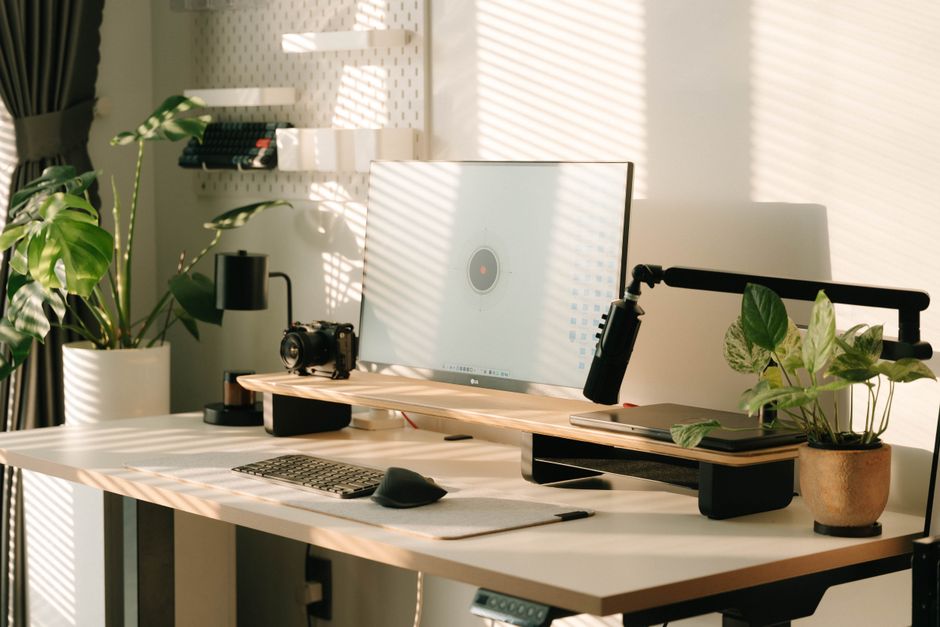
Second, consider placement for maximum psychological benefit. A plant on your desk keeps greenery in your direct line of sight. A larger plant in the corner of the room creates a focal point. Vining plants on shelves or hanging from walls add dimension and make the space feel more alive.
Third, get the watering rhythm right. This is where most people struggle. A good rule: check the soil once a week by sticking your finger an inch deep. If it feels dry, water. If it’s still moist, wait. Most office plants prefer this “let it dry out between waterings” approach over constant moisture.
If you’re managing multiple plants or want to skip the guesswork, proper plant care and education make all the difference. Nature Indoors offers custom maintenance services for Austin-based offices, so you can enjoy the benefits of plants without the stress of keeping them alive.
Related: Pet Safe Indoor Plants for Austin Homes
Related: Best Tropical Indoor Plants for Austin Homes
Placement Tips for Maximum Productivity Impact

Where you put your plants matters as much as which ones you choose.
Put a small plant directly on your desk or a shelf at eye level. This gives you frequent visual breaks from your screen, which rests your eyes and your mind.
Place a larger plant in a corner or against a wall to create a green focal point. When your eyes land on it during a tough moment, it naturally relaxes your nervous system.
Group multiple plants together for a stronger visual impact. Three or four plants in one area creates a mini garden feel, which is more calming than a single isolated plant.
Keep plants away from air conditioning vents and heating ducts. The artificial temperature swings stress them out. They’ll drop leaves or weaken, which defeats the purpose of having them.
If your office is shared, talk to your coworkers about shared plants. A communal plant in a common area benefits everyone and builds team connection around something living and growing.
Maintaining Your Office Plants Long-Term
The hardest part isn’t picking the plants. It’s keeping them alive when life gets busy.
Set a weekly watering reminder on your phone. Make it part of your routine, like your Monday morning coffee. Five minutes of plant care keeps them thriving and keeps you connected to the natural world, even in an office.
Wipe leaves down with a soft, damp cloth every month or so. Dust builds up on leaves and blocks light absorption. Clean leaves mean healthier plants.
Rotate your plants every few weeks so they get even light exposure. This prevents one side from growing larger than the other.
If a plant starts to decline, don’t panic. Plants are resilient. Cut back on watering, move it to a better light spot, or simply give it time. Most setbacks recover with a little care.
If managing plants yourself feels overwhelming, that’s totally valid. The goal is a more productive workspace—not a new source of stress. That’s why having expert support can make a real difference in keeping your plants thriving long-term.
Creating a Productive, Plant-Filled Workspace
Your office should support the best version of you. That means good lighting, comfortable furniture, and yes, living plants that clean your air and calm your mind.
The six plants we’ve covered are proven, forgiving, and effective. They enhance concentration and worker well-being in any office setting. Start with one or two, see how you feel after a few weeks, and add more if you want.
Small changes create big shifts. A single Peace Lily or Snake Plant in your workspace can lower your stress, improve your focus, and make your office feel more like a place you actually want to spend time.
Ready to go deeper? Nature Indoors helps Austin offices and home workspaces design custom plant solutions tailored to your space, lighting, and aesthetic. Whether you want to handle it yourself or hand the setup to a pro, the best time to start is today.
FAQs About Office Plants and Productivity
Do indoor plants really improve productivity?
Yes. Plants reduce stress, improve air quality, and boost humidity levels. When you’re less stressed and breathing better air, you focus more easily and your work improves. The effect is both psychological and physical.
Which office plants need the least light?
Peace Lily, Snake Plant, Pothos, and Philodendron all thrive in low to medium indirect light. These are ideal for interior offices without windows or offices far from natural light sources.
How often should I water office plants?
Most office plants prefer to dry out slightly between waterings. Check the soil once a week by sticking your finger an inch deep. Water only when the soil feels dry. This usually means watering once every 7-14 days, depending on your office humidity and temperature.
Can I keep multiple plants on my desk?
Absolutely. A small desk plant or two works great. Just make sure they don’t crowd your workspace or block your view. A plant at the side or corner of your desk gives you the visual benefit without getting in your way.