If you’re running a startup and want to bring greenery into your office without harming the planet (or your bottom line), eco-friendly plant care is totally doable. The key is choosing low-maintenance plants, using sustainable materials, and watering smartly. You don’t need fancy equipment or expensive products to keep plants healthy and happy.
Here’s what you need to know to get started.
Related: Plant Care Service for Apartment Complexes: A Complete Guide
Related: Plant Care Without Chemicals for Homes: A Complete Guide
Choose Plants That Don’t Need Much
The foundation of eco-friendly plant care is selecting plants that thrive with minimal resources. When you pick plants suited to your office lighting and space, you use less water, need fewer nutrients, and spend less time fussing.
Related: Eco-Friendly Office Plant Care in Austin: A Complete Guide
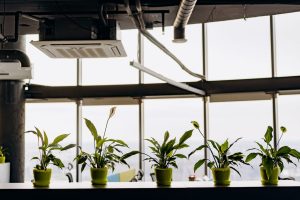
Look for plants that tolerate low to medium indirect light and don’t mind skipping a watering day or two. Snake plants, pothos, ZZ plants, and peace lilies are solid choices for startup offices. They bounce back from neglect and don’t demand perfect conditions.
The less you have to fight against a plant’s natural preferences, the fewer resources you’ll burn keeping it alive. That’s sustainable by default.
Get the Right Containers and Soil
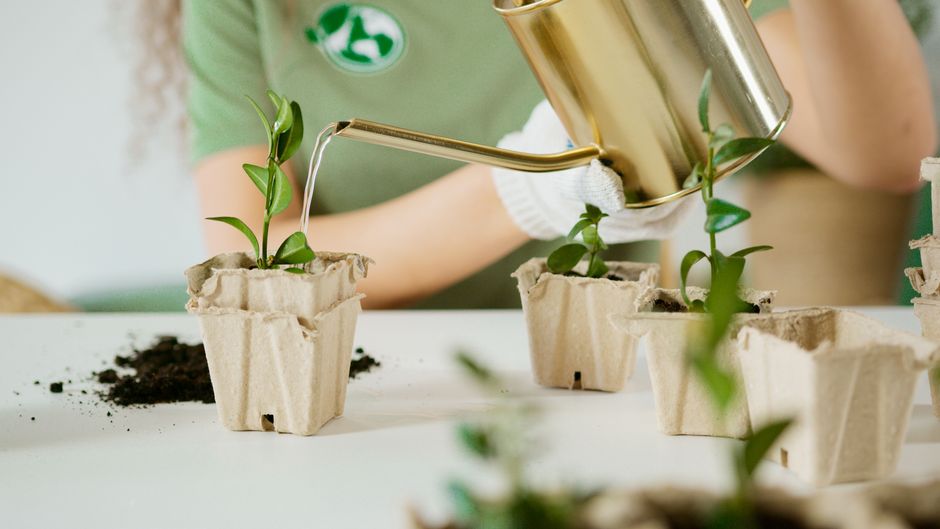
What you plant in matters just as much as the plant itself. Skip plastic pots when you can. Look for containers made from recycled materials, terracotta, or biodegradable options. They break down or get reused instead of sitting in a landfill.
Make sure every pot has drainage holes. This prevents water from pooling at the bottom, which kills roots and wastes water. Good drainage also means your plants stay healthier longer, so you’re not replacing them constantly.
When it comes to soil, invest in quality potting mix that holds moisture well without staying waterlogged. Healthy soil is the foundation of everything. You’ll need to repot less often, and your plant will thrive with fewer fertilizer additions.
Water Smarter, Not More
Water conservation is one of the easiest wins in eco-friendly plant care. Most people overwater. Your plants don’t need a drink every day.
Check the soil before watering. Stick your finger about an inch into the soil. If it feels dry, water. If it’s still moist, wait. This simple habit cuts water waste dramatically and prevents root rot.
Water at the base of the plant, not the leaves. This gets moisture to the roots where it’s actually needed, instead of running off or evaporating from the foliage.
If you want to take it further, collect rainwater or reuse cooled cooking water for your plants. Your startup’s plants become part of a closed-loop system instead of drawing from the tap constantly.
Use Organic Fertilizers and Natural Pest Control

Chemical fertilizers and pesticides are not your friend if you care about the planet. They pollute soil and water, and they’re unnecessary.
Organic fertilizers release nutrients slowly and feed the soil ecosystem, not just the plant. They’re gentler and work with nature instead of against it. A light feeding every few months is usually enough for low-maintenance plants.
If pests show up (which is rare for office plants), skip the spray. Use natural pest control methods instead. Neem oil, insecticidal soap, or simply wiping leaves with a damp cloth handles most problems without chemicals.
Get Lighting Right Without Energy Waste
Most startup offices have fluorescent or LED overhead lighting. That’s actually great because it keeps your energy use low while still giving plants enough light to survive.
Place plants in bright, indirect light whenever possible. A spot near a window without direct afternoon sun is ideal. If your office is dim, choose shade-tolerant plants instead of buying grow lights. No sense in running extra equipment if you don’t need it.
If you do use supplemental lighting, LED grow lights are way more efficient than old incandescent bulbs. They use less electricity and last longer, so your carbon footprint stays small.
Rethink Your Approach to Plant Purchases
Before you buy, ask yourself if you really need a new plant. Can you propagate what you already have? Can you swap plants with another startup or trade cuttings with colleagues?
When you do buy, choose smaller plants or single cuttings instead of fully grown specimens. They’re cheaper, take less time to ship, and have a smaller environmental impact. Plus, watching them grow is honestly more satisfying.
Buy from local growers when possible. Short supply chains mean fewer emissions and fresher plants. If you’re in Austin, Nature Indoors can help you source and maintain plants that fit your space and values.
Create a Low-Waste Maintenance Routine

Dead leaves and pruned stems don’t have to go in the trash. Save them for compost if your startup has a green waste program. If not, just let them break down in a pot of soil in a corner of your office. That’s a tiny closed-loop system right there.
When you do repot or refresh plants, save the old soil. If it’s still healthy, reuse it for other containers. You only buy fresh soil when the old mix breaks down or becomes compacted.
Keep notes on what works and what doesn’t. Over time, you’ll develop an instinct for your office’s climate and your plants’ needs. Less guessing means less waste.
Monitor Biodiversity and Plant Health
A mix of different plants makes your space more interesting and better for air quality. Each plant species has slightly different needs, so you’re not running a one-size-fits-all watering schedule.
Healthier plants need fewer interventions. Check leaves for dust or discoloration once a week. A quick wipe with a soft cloth keeps them photosynthesizing at full capacity. Healthy plants grow steadily without demanding extra resources.
If you want a more structured approach to keeping your startup’s plants thriving sustainably, Nature Indoors offers tailored maintenance plans that prioritize eco-friendly practices and plant wellness.
Scale Your System as You Grow
Start small. Pick two or three plants for your startup office and nail the basics. Once you’re confident in your watering rhythm and plant choices, add more.
As your team grows, your plant collection can grow too. The same principles apply: right plant for the space, smart watering, organic care, and minimal waste. You’re building habits that scale without burning extra resources.
Common Questions About Eco-Friendly Plant Care for Startups
How often should I water plants in a startup office?
Check the soil first. Water only when the top inch feels dry to the touch. For most office plants in moderate light, that’s roughly once a week to once every 10 days. During colder months, plants need less water. Every startup’s office climate is different, so adjust based on what you see, not a fixed schedule.
What’s the most eco-friendly pot material?
Terracotta is natural and biodegradable. Recycled plastic works if it’s actually recycled material, not virgin plastic. Wood fiber or paper pots are compostable. Skip pure plastic if you can. The best pot is one you already have, reused for a new plant.
Can I use tap water on my plants, or should I collect rainwater?
Tap water is fine for most indoor plants. If you want to reduce water consumption, collecting rainwater or reusing cooled cooking water is a smart move. Just avoid water with salt, soap, or harsh chemicals. For a startup on a budget, tap water works perfectly well—don’t stress over it.
Do I need fertilizer if I’m using quality soil?
Quality potting soil has nutrients, but they deplete over time. A light organic fertilizer every 2-3 months during the growing season keeps plants fed without overdoing it. Low-maintenance plants don’t need much. Watch your plant’s growth and adjust—if it’s thriving, you might not need fertilizer at all.