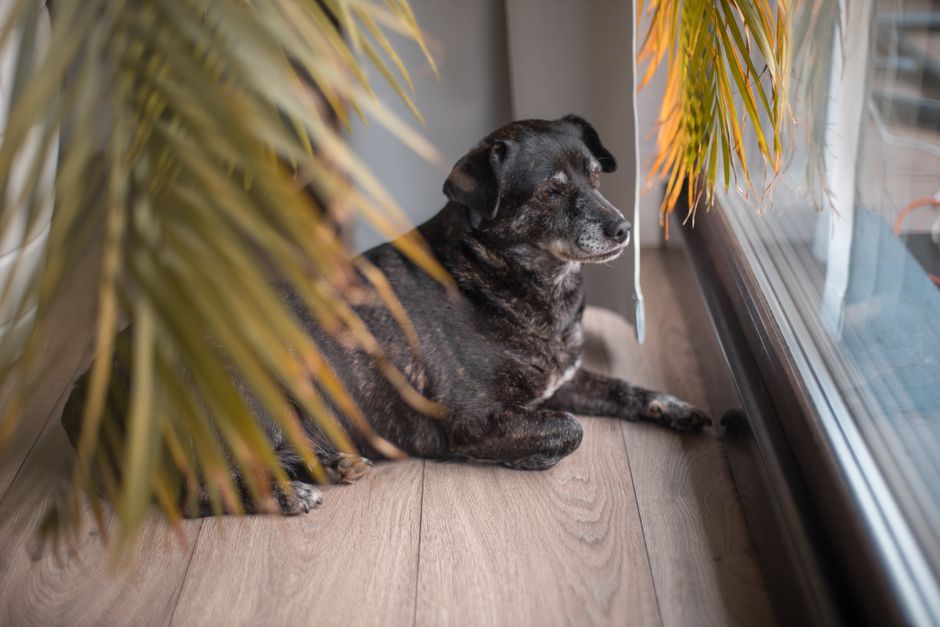
If you’ve got pets at home, you know the panic of wondering whether that new plant is toxic. Good news: there are tons of beautiful, pet-safe indoor plants that’ll thrive in an Austin home. You don’t have to choose between a thriving indoor garden and keeping your cats and dogs safe—you can absolutely have both.
Austin’s warm, humid climate and bright light make it ideal for indoor plants. The challenge is finding ones that won’t hurt your furry friends if they decide to nibble or knock them over. Let’s walk through the best pet-safe options and how to use them in your space.
Best Pet Safe Indoor Plants for Austin Homes
When you’re shopping for pet-safe plants, you’re looking for species that won’t cause toxins or harm if your pet ingests them. Austin’s indoor environment—whether that’s a humid kitchen, a bright living room, or a shaded home office—gives you plenty of options.
Related: Indoor Plant Styling for Modern Austin Homes
Related: Low Maintenance Indoor Plants for Austin Homes
Related: Best Tropical Indoor Plants for Austin Homes
Air plants are one of the coolest pet-safe choices. They require no soil to grow, which means no messy potting and less chance of your pet digging around. They’re also incredibly unique looking. Hang them near a window and mist them regularly, and they’ll stay happy for years.
Hoyas, including the gorgeous Hoya Australis Lisa and Hoya Compacta, are pet-safe and bring trailing vines and waxy, beautiful flowers to your home. They’re low-maintenance and can handle a range of light conditions, which makes them perfect for Austin’s varied indoor spaces.
Moth Orchids (Phalaenopsis) are another excellent choice. They’re elegant, long-blooming, and completely safe for pets. They prefer bright, indirect light—something you’ll find in most Austin homes near a south-facing window with a sheer curtain.
Calathea varieties, including the stunning Calathea Orbifolia with its silver-striped leaves, are pet-safe and add dramatic visual interest. They love humidity, which Austin provides naturally. Keep the soil consistently moist but not waterlogged, and your Calathea will thrive.
The Stromanthe Triostar is another Calathea relative that’s completely pet-safe. Its tri-colored leaves make it a showstopper, and it brings movement and color to any room without any toxicity concerns.
Christmas Cactus (and its cousins Easter Cactus and Thanksgiving Cactus) are pet-safe succulents that bloom spectacularly. They’re forgiving plants that don’t need much attention, and they’ll reward you with flowers when the season’s right.
Boston Ferns (Sword Ferns) add delicate, feathery texture to your space and are completely safe for pets. They prefer humidity and indirect light—place one in a bathroom or kitchen where moisture is naturally higher.
African Violets are small, charming flowers that are safe for cats and dogs. They don’t take up much space, so they’re perfect for shelves, desks, or plant stands in smaller Austin apartments or offices.
Peperomia is another compact, pet-safe option with thick, textured leaves. It’s low-maintenance and works well on shelves or in small corners.
Baby’s Tears plants are delicate and beautiful, trailing gracefully from hanging baskets. They’re completely pet-safe and add an airy, almost ethereal quality to any room.
Prayer Plants get their name from the way their leaves fold up at night, like hands in prayer. They’re pet-safe, colorful, and bring personality to your home office or bedroom.
Here’s something unexpected: carnivorous plants like Venus Fly Traps, Pitcher Plants, and Sundews are entirely pet-safe. They’re conversation starters and honestly kind of fascinating to watch. They do need specific conditions (bright light, humid air, distilled water), but if you’re interested in something different, they’re worth exploring.
How to Create a Pet-Friendly Indoor Plant Layout for Your Austin Home
Now that you know what plants are safe, think about where to put them. The key is choosing locations that work for both the plant’s light needs and your pet’s habits.
High shelves and hanging planters keep plants away from curious cats and dogs. If your pet is a climber or jumper, go higher. Hanging planters with trailing plants like Hoya or Baby’s Tears create visual interest above eye level without taking up floor space.
Bright corners near windows are perfect for orchids, Calatheas, and ferns. Austin gets plenty of natural light, so use it. Just avoid direct afternoon sun, which can scorch delicate leaves. A sheer curtain filters harsh rays.
Bathrooms and kitchens are ideal for humidity-loving plants like Boston Ferns and Calatheas. These rooms naturally hold moisture, which keeps your plants healthy without you having to mist constantly.
Bedrooms and home offices work well with low-light tolerant plants like Peperomia and Prayer Plants. They’ll brighten your space without demanding prime real estate near windows.
Group plants together to create a mini indoor garden effect. This makes watering easier, creates humidity pockets, and gives you a focal point in the room. Nature Indoors can help you design a layout that maximizes both plant health and your space’s aesthetics.
Watering and Care Tips for Pet-Safe Plants in Austin
Austin’s warm climate means your plants may dry out faster than you’d expect. The key is checking soil moisture before watering, not following a rigid schedule.
For most pet-safe plants, water when the top inch of soil feels dry to your touch. Orchids and Calatheas prefer consistent moisture but never want to sit in water. Succulents like Christmas Cactus and carnivorous plants prefer drier conditions between waterings.
Use room-temperature water. Cold water can shock tropical plants. If your tap water is heavily chlorinated, let it sit out overnight before watering—the chlorine will evaporate.
Feed your plants during the growing season (spring and summer) with a diluted fertilizer. In Austin’s warm climate, some plants grow year-round, so monitor growth and adjust feeding accordingly. Less is more—over-fertilizing causes more problems than under-fertilizing.
Dust the leaves of plants like African Violets and Prayer Plants every few weeks. Dusty leaves can’t absorb light as well. Use a soft, damp cloth and be gentle.
Watch for common pests like spider mites, which thrive in dry Austin air. If you notice sticky residue or tiny webbing, isolate the plant and spray the leaves with a mix of water and a tiny drop of dish soap. Your pet won’t be harmed if they brush the treated leaves after they’ve dried.
Signs Your Pet May Have Eaten a Plant (And When to Worry)

Even with pet-safe plants, some pets have sensitive stomachs or may experience mild digestive upset from eating plant material. Here’s what to watch for:
- Vomiting or diarrhea after eating plant leaves
- Excessive drooling or foaming at the mouth
- Loss of appetite
- Lethargy or unusual behavior
If your pet shows any of these signs and you’re uncertain what they ate, contact your vet. Because you’ve chosen pet-safe plants, your vet will know there’s no toxin involved, and they can focus on treating the actual symptom—usually mild digestive upset that resolves on its own.
The good news: with genuinely pet-safe plants, serious poisoning isn’t a concern. But watching your pet’s behavior keeps everyone calm and healthy.
Combining Pet-Safe Plants With Your Austin Home’s Style
Pet-safe doesn’t mean boring. Calatheas have stunning patterns. Orchids are elegantly minimal. Trailing Hoyas create drama. Ferns bring softness. You can absolutely design a beautiful, vibrant indoor garden that keeps your pets safe.
Think about your home’s vibe. Minimalist? Go with Moth Orchids and Peperomia. Bohemian? Layer Calatheas, Prayer Plants, and hanging Hoya. Tropical? Combine tall Boston Ferns with cascading Baby’s Tears and colorful Stromanthe.
The plants you choose reflect how you want your space to feel. Adding greenery isn’t just about decoration—it’s about creating an environment where you, your pets, and living things all thrive together. If you want expert help designing a pet-safe indoor plant setup tailored to your Austin home’s specific light, humidity, and layout, Nature Indoors offers custom design and installation services.
FAQs About Pet Safe Indoor Plants for Austin Homes
Are all Calatheas safe for pets?
Yes. All Calathea varieties, including Calathea Orbifolia, are completely pet-safe. They’re safe for cats and dogs. The only concern is that pets may experience mild digestive upset if they eat large quantities, but the plant itself contains no toxins.
Can I keep air plants around cats and dogs?
Absolutely. Air plants are pet-safe and have no soil to dig in or toxins to worry about. They’re one of the safest options. The only thing to watch is that cats don’t become obsessed with batting them around (they’re delicate), so place them somewhere secure or out of reach if your cat is particularly playful.
What light do pet-safe indoor plants need in an Austin home?
It depends on the plant. Orchids, Calatheas, and most Hoyas prefer bright, indirect light—a spot near a south or west-facing window filtered by a sheer curtain works great. Boston Ferns and Prayer Plants tolerate lower light and work in bathrooms or corners. Carnivorous plants need bright light. Air plants need bright, indirect light. Check each plant’s specific needs, but Austin’s natural light usually provides plenty of options.
How often should I water pet-safe plants in Austin’s climate?
Watering frequency depends on the plant and your home’s humidity. In Austin’s warm climate, most plants dry faster than in cooler regions. Check soil moisture by sticking your finger an inch into the soil. If it feels dry, water. If it feels moist, wait. This is more reliable than watering on a schedule. Orchids and Calatheas want consistent moisture but never soggy soil. Succulents and carnivorous plants prefer drier periods between waterings.