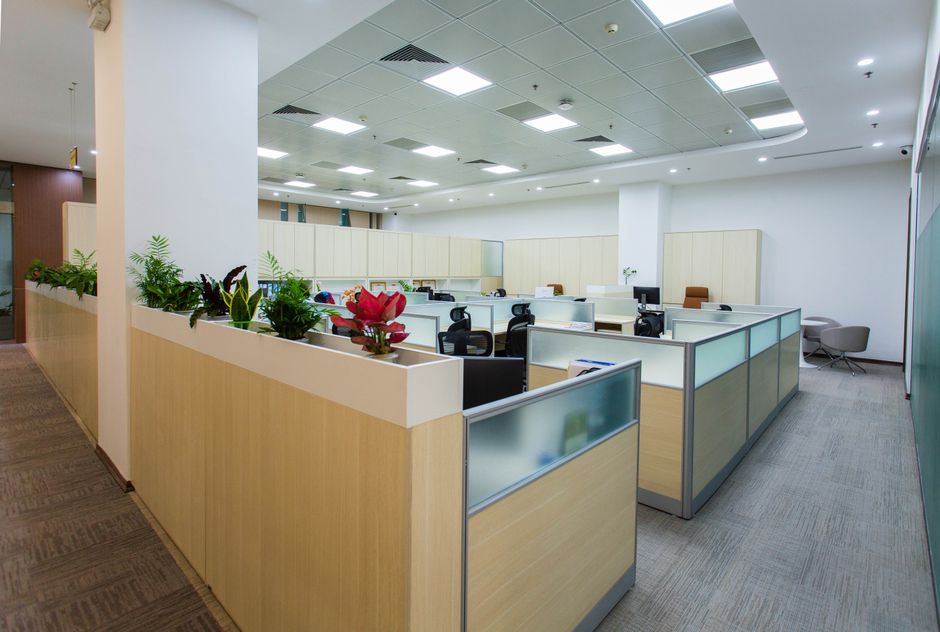
Small commercial spaces don’t need to feel cramped or sterile. The right indoor greenery can completely shift the energy of a tight office, shop, or reception area—boosting mood, improving air quality, and creating a space where people actually want to work.
Here’s the thing: most business owners think they need tons of square footage to bring plants indoors. They don’t. With smart plant selection and strategic placement, you can transform even a 200-square-foot office into a living, breathing space that feels intentional and welcoming.
Why Indoor Greenery Matters in Small Commercial Spaces
Before we talk placement and plant picks, let’s be honest about why this actually matters.
Employees spend a huge chunk of their lives in their workspaces. Studies show that exposure to plants indoors can reduce stress and boost focus. Even a single pothos on a desk or a tall snake plant in the corner creates a visual break from screens and concrete walls.
For clients walking into your space—whether it’s a dentist’s office, salon, or tech startup—plants signal that you care. They say “we’re thoughtful about the experience here.” That matters.
Plus, plants absorb CO2 and release oxygen. In a small, enclosed office, that’s a real upgrade to the air quality your team is breathing all day.
Best Plants for Tiny Commercial Spaces
The golden rule: choose plants that tolerate less-than-perfect light and don’t need you obsessing over them daily.
Desk-Level Plants (Individual Workstations)
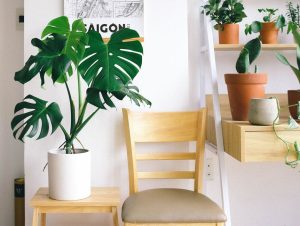
Pothos is your workhorse here. It’s nearly impossible to kill, grows in low light, and looks good trailing from a shelf or sitting compact on a desk. Snake plants are even more forgiving—they literally thrive on neglect and come in compact sizes perfect for tight corners.
Succulents are another solid pick for individual desks, especially if your office doesn’t have great natural light. They need minimal water and take up almost no space.
Tall Plants for Corner Placement
When you’re working with limited square footage, vertical space is gold. A Dracaena or similar tall, slender plant can fit into a corner without eating up floor space, and it instantly draws the eye upward—making the room feel taller and less cramped.
Palms also work well in small commercial spaces. They’re naturally upright, elegant, and they handle lower light better than most people think.
Vertical Solutions for Wall Space
If you’ve got 4 walls but barely any floor space, think vertical. Wall-mounted planters or a small tiered plant stand can hold multiple plants in just a few square feet of floor footprint. This is where Nature Indoors really shines—custom vertical designs that maximize every inch of your space without feeling cluttered.
Strategic Placement in Small Offices
Where you put your plants matters as much as which plants you choose.
Related: Office Plant Design for Small Spaces: 7 Space-Smart Ideas
Related: Indoor Plant Care for High Humidity Spaces: A Complete Guide
Reception & Entry Areas
This is your first impression zone. A tall plant or a small cluster near the entrance immediately softens the space. People notice green right away—it’s the first thing their brain registers as “alive” and “welcoming.”
Individual Desk Corners
A small 4-6 inch pothos or succulent on someone’s desk personalizes their workspace without taking up real estate. It’s also motivating—your team gets to care for something living, even if they’re not plant people.
Corner Nooks & Dead Spaces
That awkward corner where nothing fits? Perfect for a tall, skinny plant. It fills dead space and actually makes the room feel more intentional, not more crowded.
Upper Shelves & Ledges
If floor space is precious, use vertical surfaces. Shelving above cabinets or file storage is prime real estate for trailing plants like pothos or small hanging baskets.
Lighting Realities in Small Offices
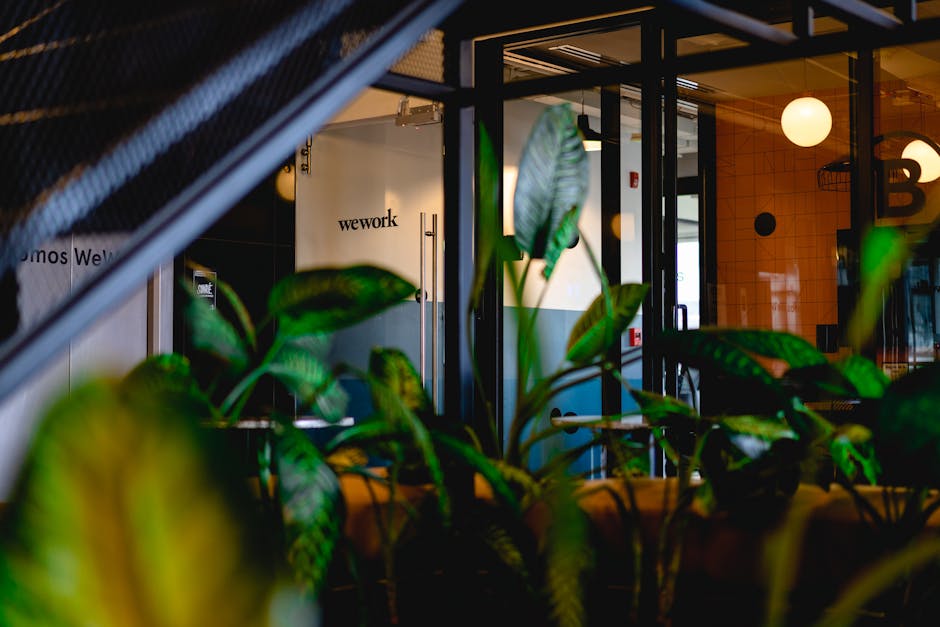
Most small commercial spaces have the same light challenge: inconsistent natural light, some reliance on artificial light, and maybe one small window if you’re lucky.
Here’s what actually works: choose plants that tolerate low to medium indirect light. Pothos, snake plants, and Dracaena varieties thrive in these conditions. Avoid anything that demands bright, direct sun—it won’t work in a typical office environment.
If your space has zero natural light, don’t panic. Low-light plants still outperform plastic alternatives by a mile, and the psychological shift of having real greenery is worth it.
Low-Maintenance Care for Busy Businesses
You’re running a business, not a nursery. Your plants can’t require daily attention.
Water smart: most office plants need watering once a week to once every two weeks, depending on humidity and pot size. A simple rule—stick your finger an inch into the soil. If it’s dry, water. If it’s moist, wait.
Light consistency: place plants where they’ll get stable light (even if it’s low). Moving plants constantly stresses them.
Humidity: small offices are often dry, especially with AC or heating running. Grouping plants together actually raises humidity around them. It’s a tiny ecosystem working in your favor.
Fertilize sparingly—maybe once every couple months during growing season. Office plants don’t need much.
If the thought of maintenance still feels overwhelming, that’s where professional support comes in. Services like Nature Indoors handle ongoing care, so you get the benefits of greenery without the responsibility.
Design Approach: Bringing Intentionality Into Small Spaces
The best indoor greenery for small commercial spaces doesn’t feel random or overcrowded. It feels thoughtful.
Related: Indoor Greenery Design for Austin Retail Spaces
Start by thinking about your space’s personality. Is it sleek and modern? Pick clean-lined plants with simple pots. Is it warm and approachable? Layer in a variety of heights and textures.
Related: Commercial Plant Design for Retail Spaces in Austin
Then, commit to a number. Three plants in a small office is powerful. Twelve plants clustered everywhere feels chaotic. Choose strategic spots—one corner plant, a couple desk additions, maybe one wall solution—and stop there.
Pots matter too. Matching or cohesive planters (not necessarily the same, but tonally similar) make even a few plants look intentional rather than haphazard.
If you’re unsure how to pull this off, custom design consultation ensures your greenery actually fits your space and workflow instead of just taking up room.
Common Mistakes to Avoid

Overcrowding. One tall plant and three desk plants is enough. More plants doesn’t equal more impact in a small space—it equals clutter.
Choosing plants that need bright direct sun. They’ll struggle, look sad, and you’ll feel guilty. Pick forgiving varieties.
Inconsistent watering. Set a reminder on your phone once a week to check soil moisture. That’s it.
Wrong pot size. A tiny plant in a huge pot stays wet and rots. A large plant in a tiny pot dries out instantly. Match pot size to the plant.
Forgetting that plants are living things in an office environment. They need some attention and intention, but not obsessive care. Find the middle ground.
Why This Matters Right Now
As we move through 2026, the trend toward indoor greenery in commercial spaces is only growing stronger. Businesses are finally waking up to the fact that environments shape how people feel and perform. A small office with thoughtful greenery signals that you care—about your team, your clients, and creating spaces that feel human.
Indoor greenery for small commercial spaces isn’t a luxury. It’s a practical, wellness-focused upgrade that any business can pull off, no matter how tight the square footage.
Can I use artificial plants instead?
Technically, yes. But real plants offer benefits that fake ones don’t—improved air quality, a living visual element, and the psychological boost of caring for something real. Artificial plants look… artificial. After a few weeks, people stop noticing them. Real plants keep working for you.
How often do I actually need to water office plants?
Most office plants (pothos, snake plants, Dracaena) need watering once a week to every two weeks. Stick your finger into the soil about an inch. If it feels dry, water. If it feels moist, wait a few days. Let the plant tell you what it needs rather than watering on a rigid schedule.
What if my office has terrible light?
Low-light plants are genuinely your best option. Pothos, snake plants, and cast-iron plants thrive in medium to low indirect light. Avoid anything marketed as a “sun-loving” plant. Even with imperfect light, real plants still outperform artificial ones and provide real wellness benefits.
Do I need a professional to set this up?
Not necessarily. If you pick the right plants and place them strategically, you can absolutely do this yourself. But if you want a cohesive design that actually fits your space and you’d rather have someone else handle ongoing care, professional support makes sense. It’s less about needing permission and more about whether maintenance stress is worth the price you’d pay for peace of mind.