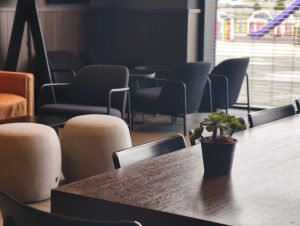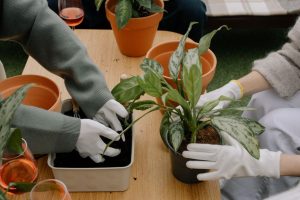
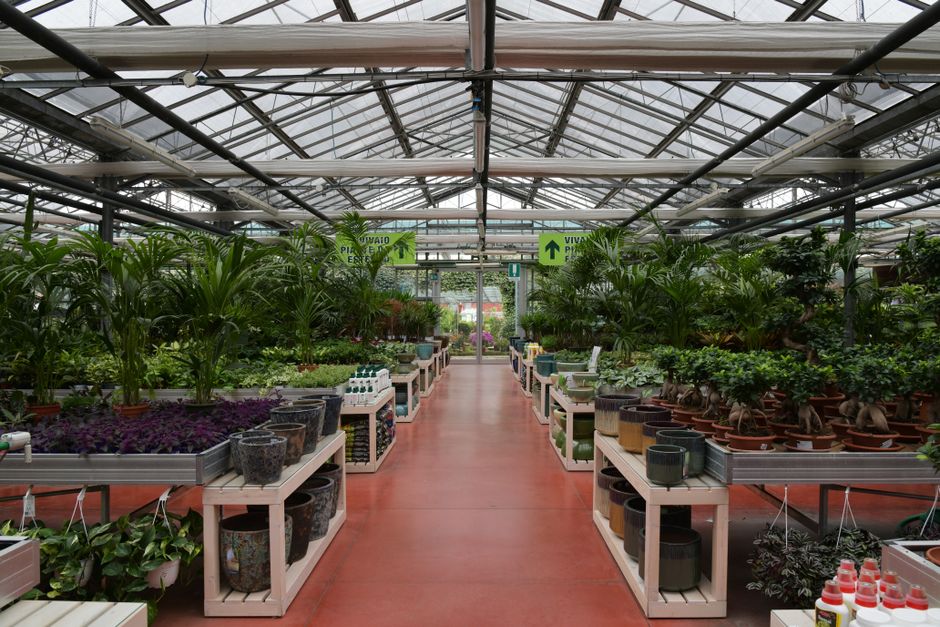
If you’re running a retail business in Austin, you’ve probably noticed how a green, plant-filled space just feels different. Customers linger longer. They take more photos. They come back.
That’s not coincidence. Indoor greenery design for Austin retail spaces is about creating an environment where people actually want to be—and research backs this up. According to studies published by the Journal of Environmental Psychology, plants in indoor spaces reduce stress and increase positive feelings, which directly impacts how customers perceive your brand.
Let’s walk through how to design greenery that works for your specific retail environment.
Assess Your Retail Space’s Light and Layout
Before you add a single plant, you need to understand what your space actually has to offer.
Walk through your retail area at different times of day. Where’s the natural light coming from? North-facing windows get gentle, indirect light. South-facing areas get intense heat. East and west windows fall somewhere in the middle.
Most Austin retail spaces have some combination of fluorescent overhead lights and natural windows. That’s actually perfect for greenery—you just need to know which plants thrive in those specific conditions.
Also map out your customer flow. Where do people spend the most time? Where do they pause? Those are your high-impact zones for plant placement. A striking green wall near your entrance creates an immediate impression. Plants near seating areas make customers feel calmer and more comfortable staying longer.
Measure your vertical space too. High ceilings? Perfect for hanging plants or tall floor installations. Limited floor space? Vertical solutions are your friend.
Choose Between Green Walls, Floor Plants, and Shelving Displays
You have three main design approaches, and they work best in combination.
Living Green Walls are the showstopper. These are dramatic, eye-catching, and create an instant wellness vibe. They work especially well in restaurants, boutique shops, or tech offices. A green wall near your entrance or checkout area signals that your brand cares about environment and beauty. They also naturally improve air quality and acoustics in retail spaces.
Floor and Tabletop Plants bring greenery to eye level where customers interact with it. Medium-sized plants in corners, near mirrors, or alongside product displays break up hard retail environments and make spaces feel less sterile. This approach is flexible and easier to maintain than green walls.
Shelving and Tiered Displays work when floor space is tight. Floating shelves with cascading plants, grouped planters on retail shelving, or plant stands create visual interest without taking up a lot of square footage.
The most successful Austin retail spaces combine all three. A green wall makes the statement. Floor plants soften the space. Shelving displays add detail and surprise.
Select Plants That Actually Thrive in Austin Retail Conditions
Austin’s humidity and temperature are pretty unique. Your retail space probably has air conditioning running hard, which dries out the air. But Austin summers are genuinely hot and humid, and that affects what thrives indoors.
Related: Low Maintenance Indoor Plants for Austin Homes
Here’s what actually works in Austin retail environments:
- Pothos and Philodendrons — These are reliable workhorses. They tolerate low light, occasional neglect, and dry AC air. They cascade beautifully from shelves or hanging planters.
- Snake Plants — Nearly indestructible. They handle irregular watering and low light. They add architectural interest and come in varieties that fit any aesthetic.
- ZZ Plants — Glossy, modern, and tough. They work in spaces with inconsistent light and are naturally pest-resistant.
- Rubber Plants — Large, dramatic leaves that fill vertical space. They need decent light but handle retail conditions well once established.
- Ferns — If your retail space has decent humidity or you’re near a water feature, ferns add softness and lushness. Boston ferns and bird’s nest ferns are popular in Austin.
- Monstera — Those trendy split-leaf plants everyone loves. They do well with moderate to bright indirect light and create a premium feel.
Avoid plants that demand constant attention or specific conditions you can’t reliably provide. Your retail space needs plants that can handle some variation—because retail is busy, and sometimes watering schedules slip.
Design for Customer Experience and Brand Alignment
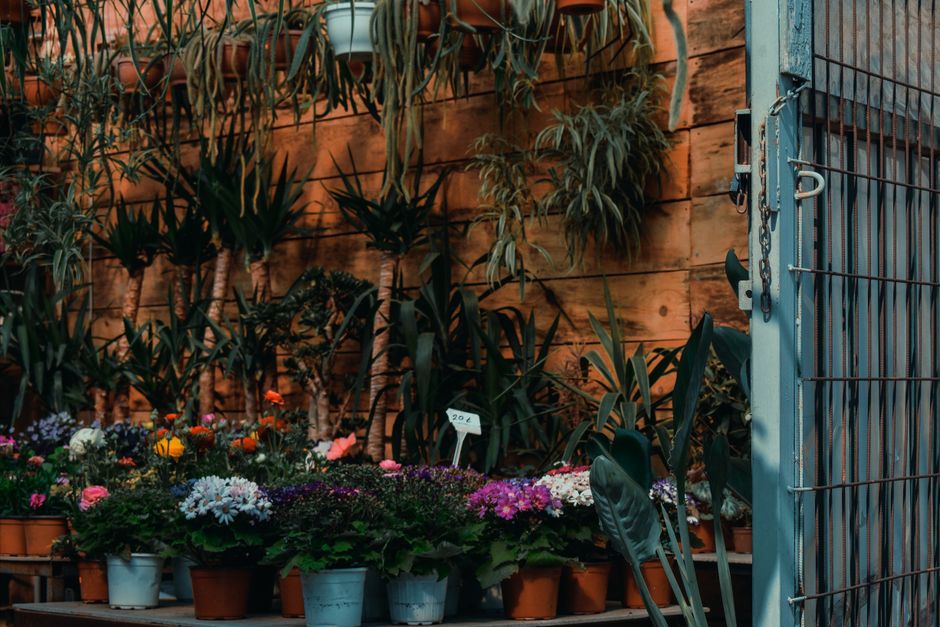
Here’s where design gets intentional. Your greenery should feel intentional, not random.
Related: How to Design a Plant-Filled Home Office in Austin
Think about your brand. Are you a high-end boutique? Go for curated, sophisticated plant displays with larger architectural plants and clean styling. Are you a casual coffee shop? Lush, abundant greenery with cascading vines and mixed heights creates a relaxed vibe. Tech startup? Sleek green walls and modern planters in cool tones.
Color matters too. Bright green creates energy and freshness. Deep green feels sophisticated and calming. Silver-leafed plants add a modern edge. Variegated plants (those with white or cream markings) brighten darker retail corners.
Height variation is crucial. If every plant is the same size, your space feels flat. Mix tall floor plants, mid-level displays, and cascading hanging plants to create visual rhythm.
Space between plants matters. Crowded plants feel chaotic. Generous spacing makes everything feel intentional and premium—which is actually how your customers perceive your brand.
Plan for Professional Maintenance and Seasonal Adjustments
This is where most retail greenery fails. You install beautiful plants, then they slowly decline because nobody’s watering consistently or checking for problems.
Professional plant maintenance services aren’t a luxury—they’re essential for retail spaces. Why? Because retail is demanding. Staff changes. Schedules shift. A professional service ensures your plants stay thriving, your space always looks premium, and customers never see declining greenery.
Austin’s climate changes through the year. Summer heat and AC create dry conditions. Winter brings occasional cold snaps. Spring allergies can affect how customers respond to certain plants. A good maintenance plan adjusts for these seasons.
Monthly check-ins catch problems early. Watering, nutrient checks, pest prevention, leaf cleaning, and seasonal plant rotations keep your retail space looking intentional year-round.
Get a Custom Design Consultation for Your Specific Retail Layout
Every retail space is different. Your lighting isn’t the same as the coffee shop down the street. Your budget, aesthetic, and customer base are unique to your business.
This is why custom design matters. A professional consultant walks through your actual space, understands your brand and goals, measures your light levels, and creates a plan tailored to what will actually work in your environment.
Many Austin-based plant design services offer free consultations. They’ll assess your space, ask about your maintenance capacity, discuss your vision, and provide specific recommendations—not generic suggestions.
If you’re serious about transforming your retail space with greenery that actually thrives, Nature Indoors offers custom design and ongoing maintenance specifically for Austin retail and commercial spaces. They can handle everything from initial design through year-round care.
Related: Indoor Greenery for Small Commercial Spaces: Design & Care
Related: Commercial Plant Design for Retail Spaces in Austin
Related: Best Indoor Plants for Commercial Spaces Austin 2026: Top 6 Ranked
People Also Ask

How much does indoor greenery design cost for a retail space?
Pricing varies wildly based on space size, design complexity, and whether you’re doing a green wall or floor plants. A small retail corner might run $500-$2,000 for design and initial installation. Larger projects or green walls can be significantly more. Most professionals offer free consultations so you can understand actual costs for your specific space before committing.
What’s better for retail—real plants or artificial plants?
Real plants. They improve air quality, create genuine wellness benefits, and customers can tell the difference immediately. Artificial plants look dated and create the opposite vibe. Austin’s humidity and light actually make real plants the practical choice too.
How often do retail plants need watering and maintenance?
It depends on the plant, your light, and Austin’s seasonal changes. Some plants need weekly watering; others need it every two weeks. This is exactly why professional maintenance services make sense. A service provider handles the schedule so you don’t have to think about it, and your plants stay healthy year-round.
Can I design greenery in a retail space with no natural light?
Yes, but it’s trickier. Low-light plants like pothos, ZZ plants, and snake plants can survive under fluorescent lights, but they’ll be less vibrant than plants in brighter conditions. You might also consider grow lights or combining low-light plants with one or two high-light plants near windows to create visual variety and keep everything healthy.