When customers walk into your Austin retail space, the first few seconds matter. The right commercial plant design can transform that moment from forgettable to memorable—making your space feel alive, calm, and intentional.
Here’s the reality: retail spaces with thoughtful plant design see measurable improvements in how customers feel. Plants reduce stress, improve air quality, and create visual focal points that make spaces feel more curated and trustworthy. If you’re running a boutique, restaurant, coffee shop, or any retail environment in Austin, understanding how to integrate living plants into your design is becoming essential.
Related: Indoor Greenery Design for Austin Retail Spaces
Let’s walk through what actually works for commercial plant design in retail spaces—and how to avoid the mistakes most Austin businesses make.
Related: Commercial Plant Design for Healthcare Offices: A Wellness Guide
Related: Best Indoor Plants for Commercial Spaces Austin 2026: Top 6 Ranked
Related: Best Plant Container Design Services Austin 2026: Top 5 Ranked
Why Commercial Plant Design Matters for Your Austin Retail Space
Before we dive into the how, let’s talk about the why. Research shows that indoor plants positively impact customer psychology. When people enter a space filled with living greenery, their cortisol levels drop (that’s the stress hormone). They feel calmer. They’re more likely to linger. And they’re more likely to come back.
For retail specifically, this translates into real business benefits. Plants make spaces feel premium, curated, and worth the investment. A coffee shop with thriving plants in the corner feels different than one with blank walls—even if everything else is identical.
But here’s what most Austin business owners get wrong: they throw a few random potted plants in a corner and call it done. That’s not design. That’s clutter. Real commercial plant design is strategic, intentional, and tailored to your specific space, lighting, and brand.
Understanding Your Retail Space Before You Start
The first step in commercial plant design is assessing what you actually have to work with. Every Austin retail space is different. A ground-floor boutique on South Congress has totally different light and humidity than an office lobby downtown. A restaurant kitchen has different constraints than a front-of-house dining area.
Start here: How much natural light does your space get? Is it bright and direct, or soft and indirect? Are there dark corners? Full-sun windows?
Natural light is the single most important factor in choosing plants. A plant that thrives in a bright window will wither in a corner. This is where most DIY retail plant projects fail—people pick beautiful plants without checking if those plants can actually survive in that specific location.
Next, think about HVAC and climate. Austin’s heat is intense, but most retail spaces are heavily air-conditioned. That fluctuation matters. Plants near vents or doors experience temperature swings that tropical plants especially hate.
Finally, consider foot traffic and maintenance capacity. High-traffic retail environments need plants that can handle the occasional bump, changing humidity from opening and closing doors, and—let’s be real—occasional neglect if your staff gets overwhelmed. You need resilient plants paired with a realistic maintenance plan.
Choosing the Right Plants for Retail Environments
Not all plants are built for commercial spaces. Your retail environment demands plants that look polished, stay healthy with consistent (but not obsessive) care, and can handle the specific conditions you identified above.
Low-light champions: Pothos, ZZ plants, and Dracaenas thrive in dimmer corners. They won’t die if you forget to water them for a week. They’re the backbone of most retail plant design because they work everywhere.
Bright-light showstoppers: If you have a well-lit front window, fiddle leaf figs, rubber plants, or monsteras create visual impact. These plants are larger and more architectural—they anchor a space. They need more consistent watering, but the payoff is worth it if you have the light and the commitment.
Understated elegance: Smaller foliage plants like snake plants, philodendrons, or peperomias work well as accent plants. Use them to fill shelving, blend with retail displays, or add greenery to high shelves without overwhelming the space.
The wellness factor: If your retail brand emphasizes wellness or sustainability (common in Austin), be intentional about plant choice. Customers notice. They notice if plants look thriving and cared-for, and they also notice if plants look stressed or dying. Living plants communicate care and intention—dead or struggling plants communicate the opposite.
A local Austin provider like Nature Indoors can assess your specific retail space and recommend plants that match both your lighting and your brand aesthetic, taking out the guesswork.
Container-Based Plantscaping: The Professional Approach

Professional commercial plant design in Austin typically uses container-based systems rather than in-ground installations. This makes sense for retail because it’s flexible, scalable, and easier to maintain.
Here’s what that means in practice: plants come in individual containers (usually ceramic, plastic, or concrete planters that match your brand aesthetic). You arrange them strategically throughout your space—on shelves, in corners, near entry points, or as accent features in customer-facing areas.
The advantages are real. You can adjust plant placement seasonally or as your retail layout evolves. If a plant needs extra care, you can isolate it without disrupting the whole installation. You have granular control over spacing, which is important in retail where you’re balancing plant aesthetics with customer flow.
Container choice matters more than most retailers realize. A sleek concrete planter makes a fiddle leaf fig feel intentional and designed. A mismatched plastic pot makes the same plant look like a last-minute decision. If you’re serious about commercial plant design for retail, invest in containers that match your space.
Placement Strategy: Where Plants Actually Work Best
Not all retail spaces are the same, but there are proven high-impact placement zones that work across most Austin retail environments.
Entry areas: Customers see your entry first. A living plant or small plant cluster here immediately signals that your space is curated and alive. It sets the tone.
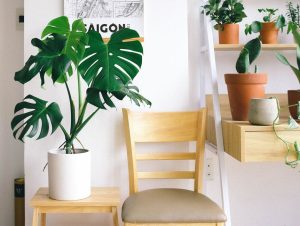
Visual focal points: If you have a prominent wall, corner, or architectural feature, use plants to draw attention. A tall monstera in a key corner becomes a design element, not just décor.
Customer seating areas: For restaurants, cafes, or retail spaces with seating, plants near seating create micro-environments that feel intimate and restful. Research published by the University of Michigan shows that people feel more relaxed and creative around plants, which translates to customers who want to stay longer.
Shelving and display integration: If your retail model includes shelving or display units, layering smaller plants into those displays creates visual interest and breaks up product-only monotony. A few trailing pothos or small snake plants scattered through your product displays feels intentional, not scattered.
High shelves and upper corners: Don’t forget vertical space. Hanging plants or plants on high shelves humanize high ceilings and make spaces feel cozier. This works especially well in modern retail spaces with industrial ceilings.
Creating a Maintenance Plan That Actually Works
Here’s the hard truth: beautiful plants only stay beautiful if they’re maintained consistently. And for retail spaces where staff are already stretched thin, consistency is hard.
This is where professional maintenance partnerships become valuable. Instead of hoping your barista remembers to water the plants, you outsource plant care to someone who knows exactly what each plant needs and shows up on a predictable schedule.
Watering: The most common mistake is overwatering. Most retail plants need water only every 7-14 days, depending on season and light. A professional can dial this in based on your specific plants and space conditions.
Light assessment: Plants in low-light retail areas need less frequent watering and less fertilizer. Plants in bright windows might need weekly attention in summer. A good maintenance plan adjusts seasonally.
Pest and disease prevention: In commercial spaces, even small issues spread fast. Regular monitoring catches problems early—yellowing leaves, spider mites, root rot—before they compromise the whole installation.
Seasonal adjustments: Austin’s climate shifts dramatically. Summer heat and dry air affect plants differently than winter humidity (even in an air-conditioned space). Professional maintenance plans account for these shifts.
If you’re serious about making your Austin retail space’s plant design work long-term, Nature Indoors offers maintenance services specifically designed for commercial retail environments—ensuring your plants perform every single day, not just on install day.
Budgeting for Commercial Plant Design in Austin
Let’s talk money. Commercial plant design isn’t cheap, but it’s also not as expensive as most retailers assume.
A basic retail plant installation typically runs anywhere from $300-$1,500 depending on size and scope. A small boutique might invest in 5-8 plants in strategic locations. A larger restaurant or retail space might justify 15-30 plants spread across the environment.
Add ongoing maintenance—usually $75-$200 monthly depending on plant count and service frequency—and you’re looking at a real commitment. But here’s the reality: most Austin retailers report that the investment pays for itself through improved customer experience and the perceived value customers assign to thoughtfully designed spaces.
Think of it like music in a retail space. You don’t need it, but it fundamentally changes how people feel. Plants do the same thing—they’re an investment in the emotional experience of your space.
Common Mistakes Austin Retailers Make With Plant Design
Mistake 1: Ignoring light conditions. People buy beautiful plants without checking if those plants can actually survive in that specific location. If you have a dark corner, that dramatic monstera will disappoint you.
Mistake 2: Undersizing the installation. A single lonely plant in a large retail space gets lost. Plant design requires critical mass—enough plants that they create an intentional, cohesive feeling across the space.
Mistake 3: No maintenance plan. Without consistent care, even the most resilient plants will eventually look sad. That defeats the entire purpose.
Mistake 4: Mixing too many styles. A boho macramé hanging plant next to a minimalist Scandinavian planter next to a commercial nursery pot creates visual chaos, not design. Stick with a consistent aesthetic.
Mistake 5: Treating plants as permanent fixtures. Retail spaces evolve. Your plant plan should be flexible. Container-based systems allow you to adjust, rotate, or upgrade plants as your retail environment changes.
Next Steps: Getting Professional Help
If you’re convinced that commercial plant design could transform your Austin retail space but you’re not sure where to start, professional consultation is the smart move.
A professional plant designer will visit your space, assess lighting, humidity, temperature, and traffic patterns, and create a customized design plan that matches your budget and brand. They’ll recommend specific plants, containers, and placement. They’ll set up maintenance protocols so your plants stay thriving long-term.
This is a conversation worth having. Most Austin plant design specialists offer free or low-cost consultations. They’ll show you options you hadn’t considered and help you avoid costly mistakes.
FAQs
How often do commercial plants in retail spaces need watering?
It depends entirely on the plant, light, and season. Low-light plants (like pothos or ZZ plants) typically need water every 10-14 days. Bright-light plants might need water weekly or even twice weekly in summer. The best approach is to check soil moisture before watering—if the top inch of soil is dry, it’s time to water. A professional maintenance service removes this guesswork entirely.
Can I use artificial plants instead of real plants?
You could, but you shouldn’t. Artificial plants look artificial. They accumulate dust. They don’t provide the wellness benefits of real plants. For retail spaces where customers are paying attention to aesthetics, real plants communicate care and intention in a way artificial plants never will. The extra maintenance effort is worth it.
What’s the best plant for a retail space with low natural light?
Pothos, ZZ plants, and Dracaenas are your go-to low-light champions. All three are nearly impossible to kill, they look professional when healthy, and they actually prefer indirect light. They’re the foundation of most successful retail plant designs in Austin because they work in real-world retail conditions—which are rarely perfect.
How do I know if commercial plant design is worth the investment for my retail space?
Ask yourself this: Does customer experience matter to my business? Would my customers prefer to spend time in a space that feels alive and curated, or a blank, sterile environment? If customer experience matters, plant design is worth it. The research backs it up—people feel better, less stressed, and more inclined to return to spaces with living plants.