When you’re designing a wellness space, indoor plants aren’t just decoration. They’re a functional part of creating an environment where you feel calmer, think more clearly, and genuinely want to spend time. Indoor plant design for wellness spaces means intentionally choosing and placing greenery to support your mental and physical health.
The good news? You don’t need a green thumb or a perfect light-filled room. You just need the right approach.
What Indoor Plant Design for Wellness Really Means
Wellness-focused plant design is about creating a curated indoor environment that supports your emotional and physical well-being. It’s not random plant placement. It’s strategic.
When plants are thoughtfully positioned in your space, they reduce stress and anxiety. They increase humidity, which helps your skin and respiratory system. They boost creativity and focus. They even improve air quality by naturally filtering toxins. All of this happens passively while you go about your day.
The key is choosing plants that thrive in your specific conditions and placing them where you’ll actually see and benefit from them. If a plant is struggling in the wrong light or dying from neglect, it creates stress instead of relieving it.
Start with Your Space Assessment
Before you buy a single plant, understand what you’re working with. Indoor plant design for wellness starts with honest assessment.
Check your light. Most rooms fall into three categories: bright indirect (near a window but no direct sun), medium indirect (a few feet from a window), or low light (interior rooms or far from windows). Be realistic. That corner that feels dim to you? It’s probably low light.
Think about temperature and humidity. Rooms near heating vents or air conditioners stay drier. Bathrooms are naturally humid. Kitchens fluctuate. Your bedroom might stay consistent and cool. These details matter for plant health.
Be honest about maintenance capacity. If you travel frequently, forget to water, or work long hours, design around that reality. Low-maintenance plants aren’t a compromise—they’re a smart foundation for a wellness space that actually sustains itself.
Choose Low-Maintenance Plants for Long-Term Wellness
The best plants for a wellness space are ones that survive and thrive without constant fussing. Stress over a dying plant defeats the purpose.
Snake Plants are nearly indestructible. They handle low light, irregular watering, and temperature swings. They sit quietly in a corner and just work. They’re also pet-safe, which matters if you have animals at home.
ZZ Plants have a similar vibe. Glossy, sculptural, and forgiving. They prefer to dry out between waterings and actually struggle if you overwater them. Perfect for busy people.
Pothos trails beautifully and adapts to almost any light condition. It’s the plant that grows even when you forget it. Hang it, shelf it, or let it climb a trellis. It works everywhere.
Spider Plants do double duty. They’re easy to grow and they actively improve your air quality by removing toxins. They also increase humidity, which benefits your respiratory system. Plus, they’re pet-safe and nearly impossible to kill.
These four plants form the backbone of most wellness-focused indoor spaces. They’re reliable enough that you can focus on placement and design rather than survival.
If you’re not sure which plants fit your specific space or want a completely customized approach, Nature Indoors can assess your lighting and lifestyle to recommend exactly what will thrive in your home.
Related: Indoor Plant Design for Apartment Living: Complete Guide
Related: Large Indoor Plant Installations for Lobbies: A Design Guide
Related: Indoor Plant Care for High Humidity Spaces: A Complete Guide
Strategic Placement for Maximum Wellness Impact

Where you put a plant matters as much as what plant you choose.
Place plants where you’ll see them daily. If a plant is hidden in a back corner, you won’t benefit from its visual calm or stress-reducing presence. Put plants at eye level near your desk, in your bedroom, or on a shelf in your main living area. You want to notice them throughout your day.
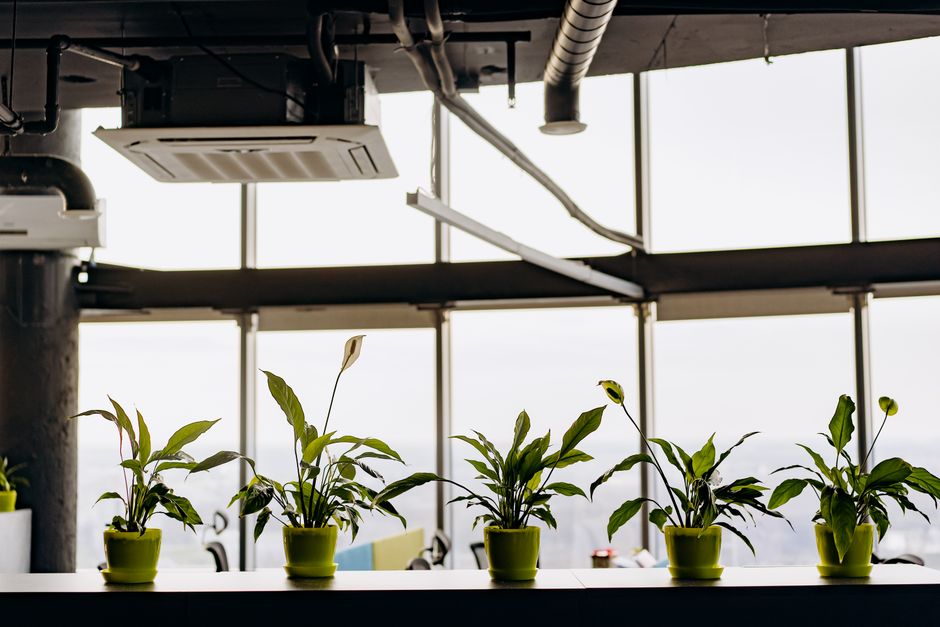
Group plants for visual and wellness impact. A single plant on a shelf feels isolated. Three plants of varying heights create a focal point that draws your eye and makes your space feel intentional and alive. Grouping also increases local humidity and creates a more immersive sense of nature.
Use height variation. Mix tall plants (like a 4-foot Snake Plant) with trailing plants (like Pothos) and compact plants (like small Spider Plants). Vertical variety makes a space feel dynamic and gives your eye something interesting to land on.
Consider your wellness zones. If you work from home, put plants near your desk to boost focus and creativity. In your bedroom, place calming greenery where you can see it from bed. In a living room or reading nook, create a mini plant cluster that becomes a soothing focal point.
Container and Aesthetic Choices
The pot you choose affects how the plant looks in your space and how intentional your design feels.
Match your containers to your interior style. Neutral ceramic pots work with almost everything. Concrete or matte finishes feel modern. Woven baskets add warmth and texture. The right container turns a plant into a designed element, not just something green taking up space.
Group plants in similar or complementary pots for a cohesive look. Mismatched pots everywhere can feel chaotic. Intentional grouping with 2-3 pot styles feels curated and calm.
Make sure each pot has drainage. Wellness design means healthy plants, and healthy plants need proper drainage to prevent root rot. Use pot liners or place pots on saucers if you’re worried about water damage.
Humidity and Air Quality Benefits
One of the biggest wellness wins of indoor plants is improved air quality and humidity.
Plants naturally humidify their surrounding air. In dry climates or heated homes, this is huge for your skin, sinuses, and respiratory system. Spider Plants are especially good at this.
Plants also absorb CO2 and release oxygen while filtering airborne toxins. You won’t feel an instant difference, but over time, the cumulative effect of plants in your space means you’re breathing cleaner, more humid air—which your body definitely notices.
Group multiple plants together to amplify these effects. A cluster of plants does more for air quality than a single specimen.
Maintenance Habits That Support Wellness

The act of caring for plants is itself a wellness practice. It slows you down, connects you to living things, and creates a small, manageable routine.
Water on a schedule. Check soil moisture once a week. Most low-maintenance plants need water every 7-14 days, but this varies by plant and season. Consistent, mindful watering is calming and keeps plants healthy.
Wipe leaves occasionally. It takes 2 minutes and makes plants look vibrant. Plus, dusty leaves can’t photosynthesize as effectively.
Rotate pots quarterly so plants grow evenly.
These small rituals create a sense of care and connection that amplifies the wellness benefits of your space.
If you’d rather have a professional handle the maintenance while you enjoy the benefits, Nature Indoors offers custom plant care and design services tailored to your space and lifestyle.
Special Wellness Considerations
For bedrooms: Choose plants that don’t require bright light. Spider Plants, ZZ Plants, and Pothos all work beautifully in bedrooms. Place them where you can see them from bed. The calming presence of greenery can actually improve sleep quality.
For home offices: Desk-level plants boost focus and reduce stress during work. Keep them close enough to see without turning your chair. Small, compact varieties work best so they don’t create clutter.
For bathrooms: Bathrooms are naturally humid, which plants love. This is the perfect spot for plants that enjoy moisture. Just make sure your bathroom gets enough light (even indirect light from a window) or choose very shade-tolerant plants.
For pet owners: Stick with pet-safe plants. Snake Plants and ZZ Plants are both safe choices, so your plant design doesn’t have to compromise your pet’s safety.
Terrariums and Compact Designs
If you’re limited on space or want a self-contained mini ecosystem, terrariums offer an attractive solution.
A terrarium combines multiple small plants in one compact, sculptural piece. It looks intentional and designed. Terrariums work beautifully on desks, shelves, or side tables. They’re also a nice visual break from traditional potted plants.
Just make sure your terrarium gets appropriate light for the plants inside. Closed terrariums with limited air circulation need low-light, low-water plants.
Building Your Wellness Plant Design Over Time
You don’t need to design your entire space at once. Start with 2-3 key plants in high-impact locations. Let them establish themselves. Then add more as your comfort and confidence grow.
A thoughtful wellness space built gradually feels more intentional than one filled all at once. You learn what works, what brings you joy, and how you actually interact with your plants.
If you want professional guidance on creating a cohesive, personalized wellness plant design, Nature Indoors offers custom interiorscape design that considers your specific space, lighting, and wellness goals.
Frequently Asked Questions
Can indoor plants really reduce stress and anxiety?
Yes. The presence of living plants in your space lowers cortisol (stress hormone) levels and creates a sense of calm. Caring for plants and having something green to focus on provides both psychological and emotional benefits. It’s not a replacement for medical treatment, but it’s a proven way to support your mental wellness.
What’s the best plant for low-light rooms?
Snake Plants and ZZ Plants are your best bets for genuinely low-light spaces. They thrive in indirect light and can even tolerate rooms far from windows. Pothos also adapts well to lower light. If you’re in a very dark room, these three are your most reliable options.
How often should I water indoor plants in a wellness space?
Most low-maintenance plants like Snake Plants, ZZ Plants, and Pothos prefer to dry out between waterings. Check soil moisture with your finger—if the top inch feels dry, water deeply. In winter, plants need less water. Most plants need watering every 7-14 days, but this depends on your specific plant, pot size, and room conditions. Always prioritize not overwatering over underwatering.
Are all the plants mentioned pet-safe?
Snake Plants, ZZ Plants, Spider Plants, and Pothos are all considered pet-safe and non-toxic to dogs and cats. However, if your pet chews on plants, any plant material can cause mild digestive upset. Placement matters—keep plants where curious pets can’t easily munch on leaves.