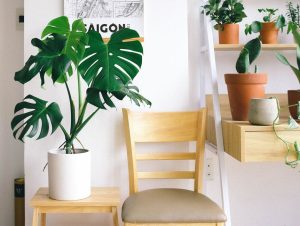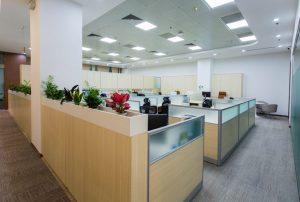
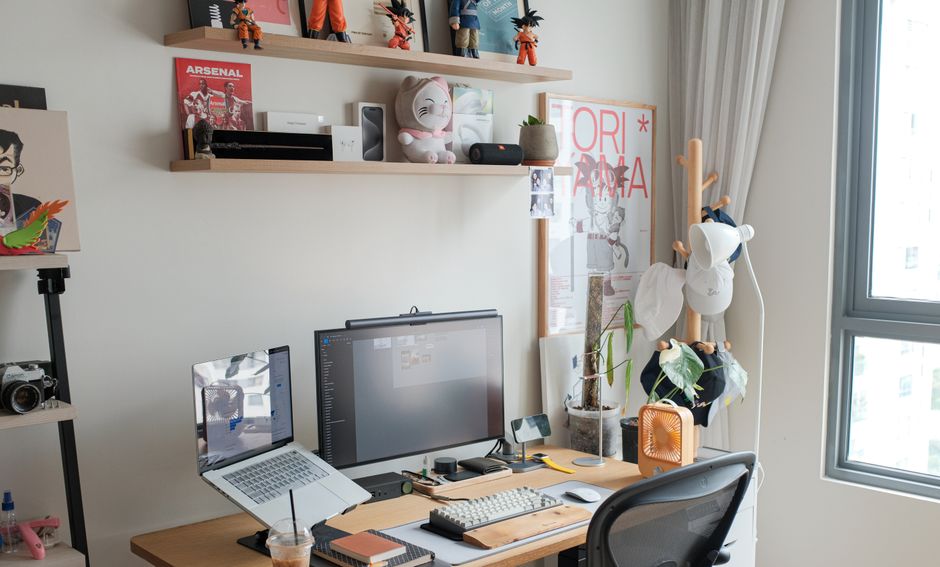
You spend hours in your home office. It’s where the real work happens, where you’re expected to focus, create, and perform at your best. So why does it often feel sterile and draining? The answer is simpler than you think: your space is missing life.
A plant-filled home office isn’t a luxury—it’s a strategic investment in your well-being and output. Research consistently shows that plants improve productivity, reduce stress, and elevate mood. But throwing a pothos in the corner won’t cut it. You need intentional design that balances aesthetics with function, plant health with your actual lifestyle.
Whether you’re working from a corner of your bedroom in South Austin, a dedicated office in the Domain area, or anywhere across the greater Austin metro, this guide will walk you through designing a plant-filled workspace that actually works. Nature Indoors has helped dozens of local homeowners and remote professionals create thriving green offices—and we’re sharing the framework that makes the difference.
Start With Your Light Assessment
Before you buy a single plant, assess your office lighting. This is the foundation of everything.
Austin’s natural light varies dramatically by room orientation and time of year. A south-facing office in Cedar Park gets blazing afternoon sun; a north-facing room in Mueller might be consistently bright but indirect. East and west exposures fall somewhere in between.
Here’s what to do: Spend 3-5 days observing your office throughout the day. Notice where direct sunlight hits, where it stays diffuse, and where corners stay dim. Take photos at morning, midday, and evening. This simple audit determines which plants will thrive versus struggle.
Then match plants to those light zones:
- Bright, direct light: Succulents, snake plants, ZZ plants
- Bright, indirect light: Pothos, philodendrons, monstera, bird of paradise
- Low to moderate light: Peace lily, cast iron plant, Chinese evergreen
When you choose plants aligned with your actual conditions, you remove the most common reason home offices fail at greenery: plants dying from neglect or wrong placement. This sets you up for success.
Design for Proportion and Visual Balance
Now that you know your light zones, think about layout. A plant-filled home office doesn’t mean plants everywhere equally. It means intentional placement that creates visual harmony and doesn’t overcrowd your desk or distract you.
Apply these basic design principles:
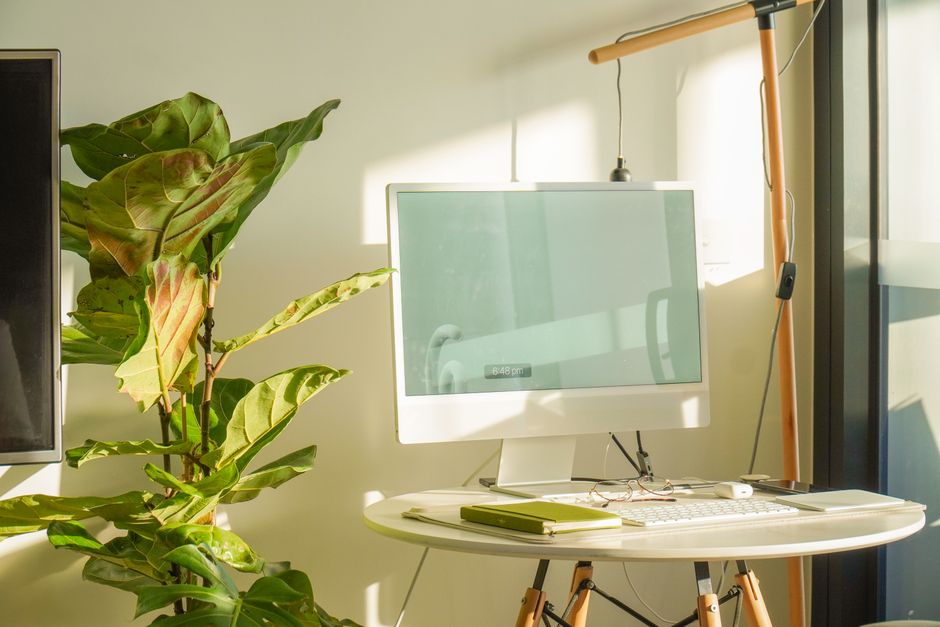
Vertical scaling. Use tall plants (like a 4-5 foot fiddle leaf fig or rubber plant) to add height in empty corners or behind your desk. Use medium plants on shelves or side tables. Reserve smaller specimens for your desk itself, where they won’t block sight lines but still bring life into your immediate view.
Odd groupings. Three plants together feel intentional. Five feels curated. Two feels accidental. Group plants of varying heights and textures—a tall snake plant next to a trailing pothos next to a compact pilea—and you create visual interest without chaos.
Balance with breathing room. Your office still needs to feel like a workspace, not a jungle. Leave 40-50% of wall and floor space open. This prevents visual overwhelm and keeps your focus where it belongs: on your work.
Color harmony. Vary your plant colors intentionally. Deep green foliage (monstera, ZZ plant) anchors a space. Lighter greens (pothos, philodendron) brighten it. Variegated or burgundy plants (tradescantia, calathea) add personality. Stick to 3-4 dominant colors, and your space will feel designed rather than thrown together.
Choose Low-Maintenance Plants Built for Office Life
You’re not a full-time gardener. Your office plants need to tolerate occasional neglect, variable light, and the realities of a working life. That’s why low-maintenance species are non-negotiable.
The best office plants for Austin homes and home offices include:
Related: Best Home Office Plants Austin 2026: Top 5 Ranked
Related: Best Plant Container Design Services Austin 2026: Top 5 Ranked
Related: Indoor Greenery Design for Austin Retail Spaces
Related: Commercial Plant Design for Retail Spaces in Austin
Related: Best Custom Interiorscape Design Austin 2026: Top 5 Ranked
- Pothos (Devil’s Ivy): Forgiving, grows fast, adapts to low light, trails beautifully from shelves
- Snake Plant: Nearly indestructible, filters air, thrives in neglect, adds architectural interest
- ZZ Plant: Glossy foliage, extremely low-maintenance, handles inconsistent watering
- Monstera: Statement-making, grows slowly enough to manage, tolerates medium to bright indirect light
- Philodendron: Similar to pothos but often more compact, excellent for shelves
- Cast Iron Plant: Legendary durability, dark green, works in lower light areas
- Peace Lily: Elegant, low-light tolerant, signals when it needs water (wilts visibly)
Avoid high-maintenance plants like fiddle leaf figs (they demand consistency), calatheas (fussy about humidity and water quality), and anything that requires weekly pruning or fertilizing. Your office should energize you, not stress you out.
Strategic Placement for Maximum Impact
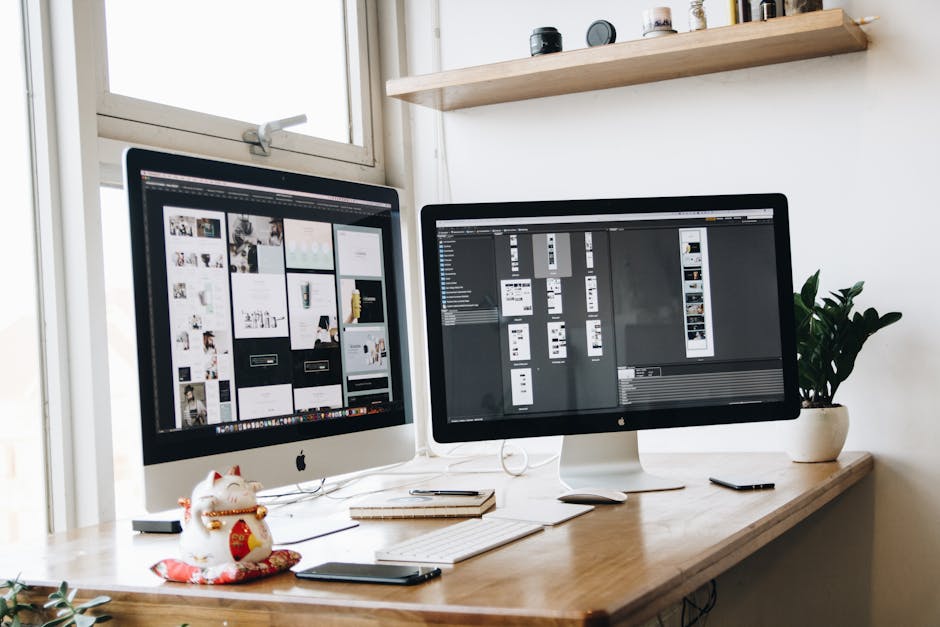
Now for the layout specifics. Where should your plants actually live in your office?
Behind or beside your desk. A tall plant 3-4 feet behind your chair creates a natural backdrop and fills vertical space without cluttering your workspace. This is prime real estate for a statement plant like a rubber plant or monstera.
Window ledges. If you have a window, use it. East and west-facing windows in the Austin area get ideal filtered light. Place plants on the sill or just inside the window. Avoid placing them directly against the glass in summer, as heat can stress them.
Shelving above or beside your desk. Floating shelves are perfect for medium-height plants and trailing vines. A pothos cascading from a shelf above your monitor adds greenery to your immediate sightline without taking desk space.
Corner fills. Dead corners are opportunities. A tall plant in a dim corner creates visual interest and makes the room feel fuller without compromising function. Pair low-light plants like cast iron plant or peace lily with a simple planter that matches your décor.
Desktop greenery (minimal). Keep your actual desk surface mostly clear. A single small plant (4-6 inches) on one corner is enough to bring life to your work surface without creating visual clutter or blocking your monitor view.
Maintenance and Support Systems That Actually Work
Even low-maintenance plants need basic care. But your busy schedule means you can’t fuss with them daily. Set up systems that scale.
Use Nature Indoors’ design and maintenance consultation to establish a watering and feeding schedule customized to your plants, light, and office environment. Professionals can diagnose issues early, rotate plants seasonally, and adjust care as Austin’s humidity and temperature shift.
Related: Biophilic Office Design Austin Texas: A Complete Guide
Until then, here’s your DIY baseline:
- Water when the top 1-2 inches of soil feel dry (most office plants prefer this schedule)
- Check plants weekly on Sunday evenings as a habit
- Rotate pots 180 degrees every 2-3 weeks for even growth
- Wipe leaves monthly with a soft, damp cloth to remove dust and maximize light absorption
- Fertilize monthly during spring and summer, rarely in fall and winter
The goal is consistency, not perfection. Plants are resilient. A watering routine you’ll actually follow beats an ideal routine you’ll abandon by March.
Creating Your Design Plan
Ready to build your plant-filled office? Start with a sketch or simple photo. Mark your light zones. Identify corners, shelves, and wall space. Then layer in plants using the proportion and balance rules we covered.
Don’t buy everything at once. Add plants over 2-3 months, observing how each thrives in your specific space. This prevents costly mistakes and gives you time to adjust your design as you learn what works.
If you’re in the Austin area—from Pflugerville to Dripping Springs to Bee Cave—Nature Indoors offers custom home office plant design and installation. Our team handles plant selection, arrangement, and setup, so your office is thriving from day one. Many clients find professional design saves money long-term by eliminating plant loss and ensuring each specimen is suited to your actual conditions.
Final Thoughts: Your Office, Transformed
A plant-filled home office is an investment in your focus, mood, and health. You spend significant hours here. You deserve a space that energizes rather than drains you.
The steps are straightforward: assess light, choose low-maintenance plants, design with proportion and balance, place strategically, and maintain consistently. Within weeks, you’ll notice the shift. Your office will feel calmer, more creative, and genuinely alive.
What’s the best plant for a low-light home office?
Peace lily and cast iron plant are your strongest options for genuinely low-light spaces. Both tolerate consistent shade, stay visually appealing, and signal their needs clearly (peace lily wilts slightly when thirsty, so you know exactly when to water). ZZ plant also adapts well to lower light and is even more low-maintenance than peace lily.
How many plants should I have in a home office?
There’s no magic number, but 4-7 plants is ideal for a typical home office. This creates visual interest without overwhelming the space or creating excessive maintenance burden. Start with 3-4 and add more as you gain confidence and observe what thrives in your environment.
How often should I water office plants?
Most low-maintenance office plants need water when the top 1-2 inches of soil feel dry to the touch. For most species in Austin’s moderate humidity, that’s roughly weekly, but it varies by plant, pot size, and season. Nature Indoors recommends checking your plants weekly and watering based on actual soil moisture rather than a fixed schedule.
Can office plants really boost productivity?
Yes. Research from the National Institutes of Health confirms that indoor plants improve focus, reduce stress, and enhance cognitive function. Plants also improve air quality and create a more pleasant visual environment, all of which support better work output and job satisfaction.