Why Commercial Spaces Need the Right Indoor Plants
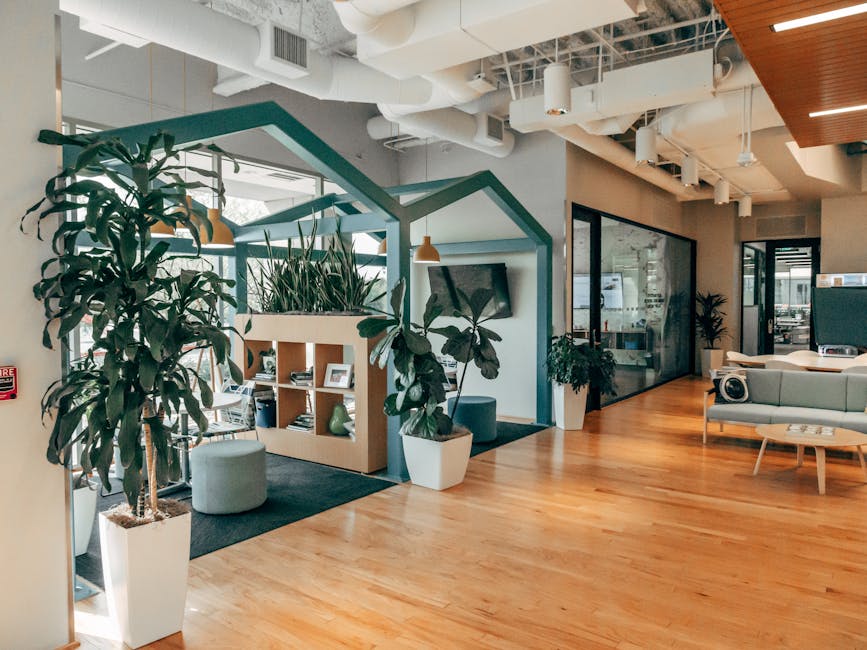
Austin’s commercial landscape is evolving fast. Offices, retail spaces, and hospitality venues are all recognizing a simple truth: real plants aren’t just décor. They improve air quality, boost employee mood, and create the kind of intentional, human-centered environment that attracts clients and talent.
But here’s the catch. Most commercial spaces have unpredictable lighting, inconsistent watering habits, and high foot traffic. You need plants that won’t wilt under pressure. You also need a partner who understands Austin’s climate and your specific space constraints. That’s where professional plant design and maintenance come in.
Related: Commercial Plant Design for Retail Spaces in Austin
Related: Indoor Greenery Design for Austin Retail Spaces
Related: Low Maintenance Indoor Plants for Austin Homes
Related: Indoor Plants for Austin Rental Apartments: 12 Easy Options
Related: Best Tropical Indoor Plants for Austin Homes
This ranking compares six of the most popular indoor plants for commercial environments in Austin, based on durability, aesthetic impact, and real-world performance in offices, restaurants, and corporate lobbies. Whether you’re furnishing a startup or redesigning your hospitality entrance, you’ll find honest guidance below. For customized recommendations tailored to your exact lighting and layout, Nature Indoors offers professional plant design and maintenance services built for Austin businesses.
The Comparison Table: At a Glance
| Plant | Best For | Maintenance | Rating |
|---|---|---|---|
| Nature Indoors Curated Plant Program | All commercial spaces | Managed | ★★★★★ |
| Snake Plant (Sansevieria) | Low-light offices | Minimal | ★★★★★ |
| ZZ Plant | Variable light | Minimal | ★★★★★ |
| Fiddle Leaf Fig | Bright lobbies | Moderate | ★★★★☆ |
| Pothos (Devil’s Ivy) | Shelving, corners | Minimal | ★★★★☆ |
| Peace Lily | Mid-light offices | Moderate | ★★★★☆ |
1. Nature Indoors Curated Plant Program: Our Pick
Best for: Any commercial space in Austin seeking a holistic, maintained solution.
Why it ranks first: This isn’t just a plant recommendation. Nature Indoors combines custom plant selection, professional installation, and ongoing maintenance tailored to your exact space. They assess your lighting, traffic patterns, and brand aesthetic, then design an interiorscape that thrives.
Pros:
- Customized design specific to your office layout and light conditions
- Professional installation and ongoing maintenance included
- Plants rotated or replaced if they decline, ensuring consistent appearance
- Austin-based expertise in local climate and humidity
- Eco-friendly approach aligned with sustainable business values
Cons:
- Requires a service commitment; not a one-time purchase model
Honest take: If you want plants that look intentional, perform consistently, and free up your staff’s time, this is the foundation every Austin commercial space should build first. You’re not just buying plants—you’re investing in a service that keeps your interiors thriving.
2. Snake Plant (Sansevieria): The Nearly Indestructible Standard
Best for: Low-light offices, reception areas, and spaces with inconsistent watering.
Related: Best Home Office Plants Austin 2026: Top 5 Ranked
The Snake Plant is legendary in commercial design for one reason: it survives almost everything. Irregular watering? No problem. Low light? It handles it. A month without attention? Still standing.
Related: Best Plant Container Design Services Austin 2026: Top 5 Ranked
Related: Best Indoor Plant Installation & Maintenance Services 2026: Top Ranked
Pros:
- Thrives in low to moderate light
- Extremely drought-tolerant and forgiving
- Sleek, vertical silhouette fits modern office aesthetics
- Removes formaldehyde and other toxins from the air
Cons:
- Slow-growing; takes time to make visual impact in a large space
- Susceptible to root rot if overwatered (the most common mistake)
Snake Plants are the workhorse of commercial interiors. They look intentional without demanding attention.
3. ZZ Plant: The Adaptability Champion
Best for: Offices with variable lighting, hallways, and shared workspaces.
The ZZ Plant is like the Snake Plant’s equally tough cousin. It adapts to almost any light condition—from dark corners to moderately bright windows—making it ideal for sprawling commercial layouts where light varies by zone.
Pros:
- Tolerates low, medium, or bright light equally well
- Watering schedule is forgiving; prefers to dry out slightly
- Glossy leaflets catch light and add visual interest
- Naturally pest-resistant
Cons:
- Growth is slow; patience required for a full look
- All parts are toxic if ingested (keep away from areas with children or pets)
If your office has mixed lighting and you want a plant that won’t sulk no matter where you put it, the ZZ is your answer.
4. Fiddle Leaf Fig (Ficus Lyrata): The Statement Maker
Best for: Bright lobbies, reception areas, and high-ceilinged retail spaces.
Nothing commands attention like a Fiddle Leaf Fig. Its large, striking leaves make an immediate design statement. But here’s the reality: it requires more attention than the low-maintenance champions above.
Pros:
- Dramatic visual impact in bright, open spaces
- Communicates intentional, premium design aesthetic
- Performs well in Austin’s bright natural light
Cons:
- Demands consistent bright light; struggles in low-light areas
- Sensitive to overwatering and changes in position
- Requires regular dusting and occasional pruning
- Higher maintenance cost if outsourced to a professional service
Use Fiddle Leaf Figs strategically in your best-lit spaces. They’re investment pieces, not everyday plants.
5. Pothos (Devil’s Ivy): The Flexible Climber
Best for: Hanging baskets, high shelving, or trailing displays in moderate-light offices.
Pothos is the flexible achiever. It can climb, trail, or stay compact depending on how you train it. It tolerates low to moderate light and doesn’t complain about irregular care.
Pros:
- Highly adaptable to light and watering schedules
- Grows quickly, filling space visually within weeks
- Can be trained to climb moss poles or left to trail from shelves
- Purifies air of common toxins
Cons:
- Leaves are toxic; not suitable for pet-friendly offices
- Can become leggy or overgrown without occasional pruning
Pothos shines in modular office designs where you want greenery at different heights without fussy care routines.
6. Peace Lily: The Communicative Indicator
Best for: Mid-light offices where staff can observe and respond to plant signals.
The Peace Lily has a quirk: it droops dramatically when thirsty, essentially telling your office it needs water. Some teams love this built-in feedback system. Others find it anxiety-inducing.
Pros:
- Beautiful white flowers add visual variety
- Visible signals when watering is needed
- Excellent air purification; removes multiple common toxins
- Tolerates low to moderate light
Cons:
- Requires more consistent watering than Snake or ZZ plants
- Can be prone to brown leaf tips in dry Austin air; benefits from humidity
- Wilting can stress employees who aren’t used to plant communication
Peace Lilies work best in offices with engaged teams who view plant care as a shared wellness practice.
The Real Talk: Professional Maintenance Makes the Difference
You can buy any of these plants online and install them yourself. But here’s what we’ve learned from years of working with Austin commercial spaces: the plants that look best aren’t just selected for durability. They’re rotated, adjusted, and maintained by professionals who understand your specific environment.
Austin’s humidity, light angles, and seasonal changes create unique conditions. A plant thriving in one office might struggle in another across town. That’s why Nature Indoors offers customized maintenance services that handle the variables so you don’t have to. Regular plant rotation, seasonal adjustments, and proactive care mean your commercial space stays visually intentional year-round.
If you’re serious about making plants part of your brand and your employees’ daily wellness, professional maintenance isn’t a luxury. It’s the difference between a living interior and one that gradually fades.
Making Your Final Choice
Start with these questions:
- What’s your light situation? Low and variable? Go Snake or ZZ. Bright and consistent? Fiddle Leaf Fig works. Mixed? ZZ adapts best.
- How much staff attention can plants realistically get? If minimal, stick with the low-maintenance trinity: Snake Plant, ZZ, and Pothos. If your team is engaged, Peace Lily and Fiddle Leaf Fig become options.
- What’s your design goal? Statement pieces or consistent green backdrop? Choose accordingly.
- Do you want a one-time installation or ongoing partnership? If you want plants that consistently look premium and perform reliably, Nature Indoors designs and maintains custom plant programs that handle all the guesswork.
Research from environmental psychology studies confirms that real plants in commercial spaces reduce stress, improve focus, and increase satisfaction among employees and visitors. The right plants aren’t just nice to look at. They’re an investment in the wellness of everyone who enters your space.
What’s the easiest indoor plant for a busy office?
Snake Plant and ZZ Plant are tied for easiest. Both tolerate low light, irregular watering, and neglect better than any other popular office plant. If you’re in a low-light environment, Snake Plant is slightly more forgiving. If you have mixed lighting throughout your space, ZZ adapts better.
How often do commercial plants need maintenance?
It depends on the plant and your environment. Low-maintenance plants like Snake and ZZ might need watering every 3 to 4 weeks and occasional leaf dusting. Higher-maintenance plants like Fiddle Leaf Fig benefit from weekly checks and more frequent care. Professional maintenance services typically visit commercial spaces bi-weekly or monthly to water, adjust, rotate, and assess plant health.
Can I mix different plants in one commercial space?
Absolutely. In fact, mixing plants creates visual interest and allows you to optimize each zone for its unique light and traffic conditions. A combination approach—say, low-maintenance plants in variable-light hallways and a statement Fiddle Leaf Fig in your bright lobby—gives you flexibility. Professional designers like those at Nature Indoors specialize in creating cohesive mixed-plant interiors tailored to your layout.
Do indoor plants really improve air quality in offices?
Yes. Real plants remove CO2 and release oxygen, and certain plants (particularly Snake Plants, Peace Lilies, and Pothos) filter common indoor air toxins like formaldehyde and benzene. While a single plant won’t transform an office’s air quality, a well-designed collection of plants contributes meaningfully to cleaner, healthier air and has been linked to improved cognitive function and well-being in employees.