Renting in Austin and worried you can’t have plants? Good news: you absolutely can, and Austin’s warm, humid climate actually makes it easier than you’d think. The key is choosing plants that don’t need special attention, don’t require you to drill holes or make permanent changes, and actually like the conditions inside your apartment.
Here’s what works best for Austin rentals, organized by room and care level.
Low-Maintenance Plants That Thrive Anywhere
If you want plants that basically take care of themselves, start here.
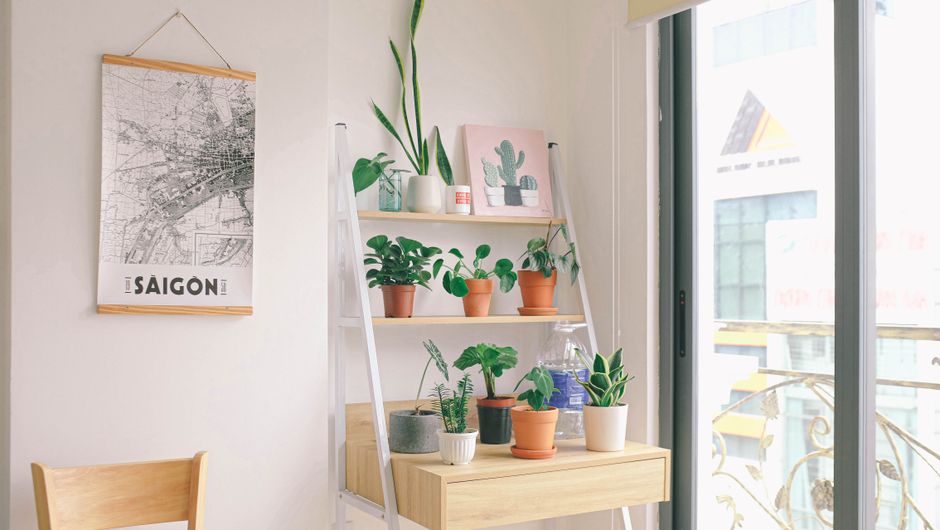
Pothos. This trailing vine is basically indestructible. Stick it in a corner with low light or by a bright window—it adapts to whatever you have. Water it when the soil feels dry. It grows fast, so you’ll have a full, lush plant within a few months. Perfect for shelves, hanging baskets, or trailing down a bookcase.
ZZ plants. Another no-fuss winner. ZZ plants have glossy, feathery leaves and grow slowly and steadily. They handle low light, irregular watering, and temperature swings. If you travel or forget to water for a week or two, they’ll forgive you.
Snake plants. The ultimate rental plant. Snake plants are nearly impossible to kill. They prefer dry conditions, so you can neglect them a little and they’ll still thrive. They come in solid green or striped varieties, and they have a modern, architectural look that works in any apartment style.
Ponytail palms. Despite the name, these aren’t actually palms—they’re succulents with a sculptural, quirky vibe. The swollen base stores water, so they need infrequent watering. Great for adding visual interest without extra work.
For renters who want some guidance on placement and care tailored to their space, Nature Indoors can help you choose the right plants for your apartment’s specific lighting and layout.
Kitchen Plants That Actually Earn Their Space
Your kitchen gets natural light and humidity—use that to your advantage.
Aloe vera. A succulent that thrives on a sunny kitchen windowsill. It’s useful too: you can snap off a leaf for sunburns or dry skin. Aloe likes bright light and infrequent watering, so it fits perfectly into a busy renter’s life.
Fresh herbs. Basil, mint, parsley, and cilantro grow fast in containers on a sunny kitchen counter or windowsill. You’ll actually use them, which makes the plant feel like it’s earning its spot. They need regular watering and at least a few hours of direct sun daily.
Bathroom Plants That Love the Humidity
Bathrooms are steamy and humid—most rental bathrooms don’t get much natural light, but some plants actually prefer that.
Air plants. These don’t need soil at all. Just mist them with water a few times a week and place them on a shelf or in a decorative holder. They’re sculptural and weird in the best way.
Lucky bamboo. Grows in water with pebbles, no soil needed. Low-maintenance, gives your bathroom a zen vibe, and handles the humidity and variable light of a typical bathroom perfectly.
Living Room and Bedroom Plants for Impact

These spaces usually have decent light and stable temperatures—ideal for plants that want to make a statement.
Related: Best Indoor Plants for Commercial Spaces Austin 2026: Top 6 Ranked
Related: Best Tropical Indoor Plants for Austin Homes
Related: Low Maintenance Indoor Plants for Austin Homes
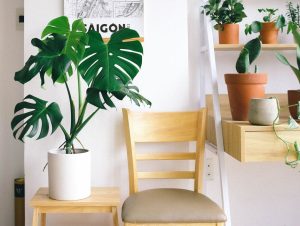
Monstera. The Instagram-famous split-leaf plant. It grows large and dramatic, creating a focal point in any room. Monsteras like bright, indirect light and moderate watering. They do need a bit of space, so place them where they can spread out.
Pilea. Smaller and bushier than monstera, with coin-shaped leaves. Pileas are trendy but also genuinely easy to care for. They like bright light and regular (but not soggy) watering.
Corn plants. Tall, architectural plants with green and yellow striped leaves. They tolerate low light better than most plants, so they work in bedrooms or corners that don’t get direct sun. Water when the top inch of soil is dry.
Money trees. Braided stems and lush green foliage. They’re said to bring good luck, but they’re also legitimately attractive. They need bright, indirect light and prefer slightly moist (not wet) soil.
Flowering Plants That Add Color
If you want blooms alongside greenery, these options work well in Austin apartments.
Peace lilies. White flowers bloom intermittently throughout the year. Peace lilies do well in low-to-moderate light and actually tell you when they’re thirsty by drooping slightly. They’ll perk right back up after watering.
African violets. Delicate, colorful flowers that bloom for months. They prefer indirect light and consistent watering. Keep water off the leaves to avoid spotting.
Calatheas. Stunning patterned foliage plus delicate flowers. Calatheas are a bit pickier than the others on this list—they like humidity, indirect light, and consistent (but not waterlogged) soil. Still doable in an Austin apartment, especially with a bathroom spot.
Orchids and lilies. Austin’s humidity is actually perfect for these. They need bright, indirect light and careful watering, but once they settle in, they reward you with beautiful blooms. If you’re new to orchids, start with a hardy variety from a local shop.
Why Austin’s Humidity Is Actually an Advantage
Austin can feel sticky in summer, but that humidity is a gift for indoor plants. Ferns, ivy, orchids, lilies, and many tropical plants naturally love humid air. You won’t need to mist as often or worry about dry air damaging leaves like folks in drier climates do. Your apartment’s natural environment already supports lush, healthy plants.
The one exception: cacti and succulents (other than aloe and ponytail palms) can struggle in high humidity. If you love desert-plant aesthetics, stick with the humidity-tolerant succulents mentioned above.
Renter-Friendly Care Tips
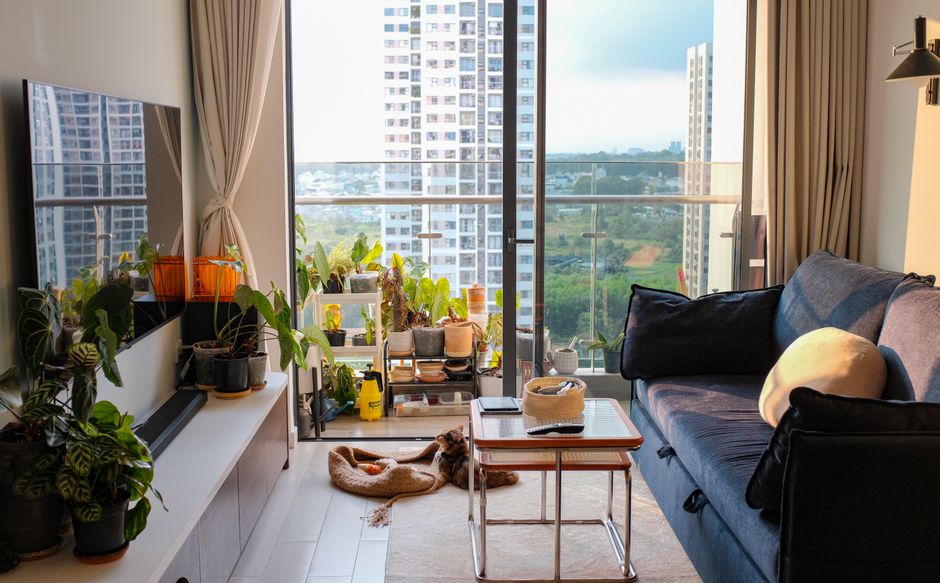
Use containers with drainage holes. Place a waterproof tray underneath to protect your flooring and furniture. This is the only setup you need—no drilling, no wall anchors.
Start small. If you’re new to plants, begin with 2-3 low-maintenance options (pothos, snake plant, ZZ plant) before expanding. Success builds confidence.
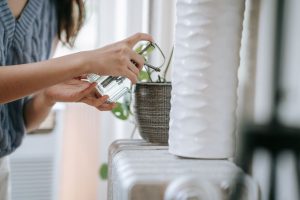
Water less, not more. Most rental apartment plants struggle from overwatering, not underwatering. Check the soil before watering. Most plants prefer to dry out slightly between waterings.
Match light to plant. Before buying, spend a few days observing where light hits your apartment. Bright, indirect light near a window? Perfect for monstera or pilea. Low light corner? Go with pothos or ZZ plant.
Rotate plants occasionally. If a plant is growing unevenly toward a window, rotate it a quarter turn every week or two for balanced growth.
Clean leaves gently. Dust builds up on leaves. Wipe them with a soft, damp cloth every month or two. Plants photosynthesize better with clean leaves.
If you want professional guidance on designing a plant plan for your specific apartment, Nature Indoors offers custom indoor plant design and maintenance tailored to rental spaces and Austin’s climate.
Seasonal Adjustments for Austin Renters
Austin’s seasons are mild, but there are still shifts worth noticing.
Summer (hot and humid): Most plants slow down growth in peak heat. Water slightly more often if it’s very hot, but avoid placing plants in direct afternoon sun, which can scorch leaves. The humidity is your friend—use it.
Fall and spring: Perfect growing seasons. Plants are active, so water and feed regularly. This is when you’ll see the most dramatic growth.
Winter (mild in Austin): Even mild winters mean less intense sunlight. Move plants closer to windows if they’re showing signs of low-light stress (slow growth, smaller leaves). Most plants need less water in winter.
Frequently Asked Questions
Can I have plants in a rental without making permanent changes?
Yes, absolutely. All the plants mentioned here grow in portable containers with drainage trays. You need zero permanent modifications. When you move out, you take your plants and leave the apartment exactly as you found it.
What’s the easiest indoor plant for complete beginners?
Snake plants or pothos. Both tolerate neglect, low light, and irregular watering. Pick either one, put it in a container with drainage, water when the soil is dry, and it will thrive. If you want something that looks nicer with minimal fuss, go for a ZZ plant.
Can I keep plants in a dark apartment with little natural light?
Yes, but your options are more limited. Pothos, ZZ plants, snake plants, and corn plants all tolerate low light. Avoid plants that specifically need bright light (monstera, pilea, most flowering plants). If your apartment is very dark, these low-light plants are your best bet—and they’ll still do better than no plants at all.
How often should I water plants in an Austin apartment?
Check the soil first. Stick your finger an inch into the soil. If it feels dry, water until it drains from the bottom. If it feels moist, wait a few more days. Most plants in Austin apartments need watering once or twice a week in summer and less often in winter. Overwatering is the number-one killer of rental plants.