Got a corner that feels dead? A hallway that’s too narrow for furniture? An alcove that doesn’t quite fit anything? Awkward spaces are actually perfect homes for indoor plants, and they’re way easier to solve than you’d think.
The trick is matching the right plant setup to your tricky layout. Whether you’re working with a cramped entry, a tall skinny wall, or a dark under-stair nook, there’s a straightforward solution that’ll make that space feel intentional and alive.
Go Vertical When Floor Space Is Tight
If your awkward space is more vertical than horizontal, vertical growing is your best friend. Trailing plants hung from the ceiling or mounted on walls take zero floor space and create serious visual impact.
Macramé plant hangers work beautifully for this. String one up in a corner, hang a pothos or string of pearls, and suddenly that dead zone becomes a focal point. The plants naturally cascade down, drawing your eye upward and making the space feel taller.
Wall-mounted shelving is another clean option. Float a few narrow shelves at eye level and group small potted plants on them. This works great in entryways, bathrooms, or along a hallway where you need greenery but not clutter on the ground.
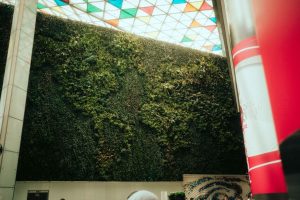
If you want a more dramatic effect, lean into living walls or interior landscaping techniques. Nature Indoors specializes in custom plant installations that transform unused vertical surfaces into thriving green displays. That awkward spot between your door and corner? It could become a whole living feature.
Related: Indoor Plant Installation Cost Austin: What to Expect
Related: Indoor Plant Styling for Modern Austin Homes
Use Standing Structures to Hold Multiple Plants
Sometimes the simplest solution is repurposing something you already have or investing in a tall, narrow structure.
A standing coat rack, tall metal shelving unit, or even a wooden ladder can hold several pots in a compact footprint. Group small to medium plants at different heights on each tier. This creates depth and visual interest without spreading plants all over the room.
The key is choosing plants with varied textures and heights. Put a trailing plant up top so it spills down between the other pots. Keep medium-sized plants in the middle. Place your smallest or most sculptural plants at eye level where people will actually see them.
This approach works especially well in corners. A tall plant tower in a corner does double duty: it softens the hard angle and fills vertical space that would otherwise be wasted.
Create a Plant Corner for Visual Impact
If you have an underused corner, make it a destination. Group a collection of plants together instead of spacing them out. This concentrated approach creates a sense of abundance and design intention, even in a small area.
Start with one taller plant as your anchor. A snake plant, bird of paradise, or tall pothos on a moss pole adds height. Then layer in 3-4 smaller plants around it at different heights using small tables, plant stands, or stacked containers.
Group plants with complementary leaf shapes and colors. A trailing pothos beside a textured calathea next to a spiky dracaena creates visual rhythm. It feels curated, not random.
Don’t forget about your containers. Match them to your room’s color palette or go intentionally eclectic depending on your style. The right pot ties the whole corner together and makes the display feel polished.
Try Pallets and Custom Planters for Irregular Layouts

Awkward spaces sometimes need equally awkward solutions. That’s where custom or modular systems shine.
Related: Custom Plant Arrangements for Business Spaces
Wooden pallets leaned against a wall create instant planting real estate. Attach small pots or line the slats with moss and soil to grow plants directly into the pallet. It’s affordable, flexible, and works in spaces where a traditional shelf would look clunky.
If a pallet feels too DIY for your style, custom planters designed for unusual spaces are worth considering. A planter that wraps around a column, fits into a corner at an angle, or slides into a shallow alcove makes the space feel designed rather than awkwardly filled.
Nature Indoors works with clients on custom plant solutions tailored to their exact layouts. If you’re stuck on how to fill a weird nook or corner, getting expert guidance on design and plant selection makes a real difference.
Match Containers to Your Room’s Style
Here’s something people overlook: the container matters as much as the plant, especially in awkward spaces that are already drawing attention for being, well, awkward.
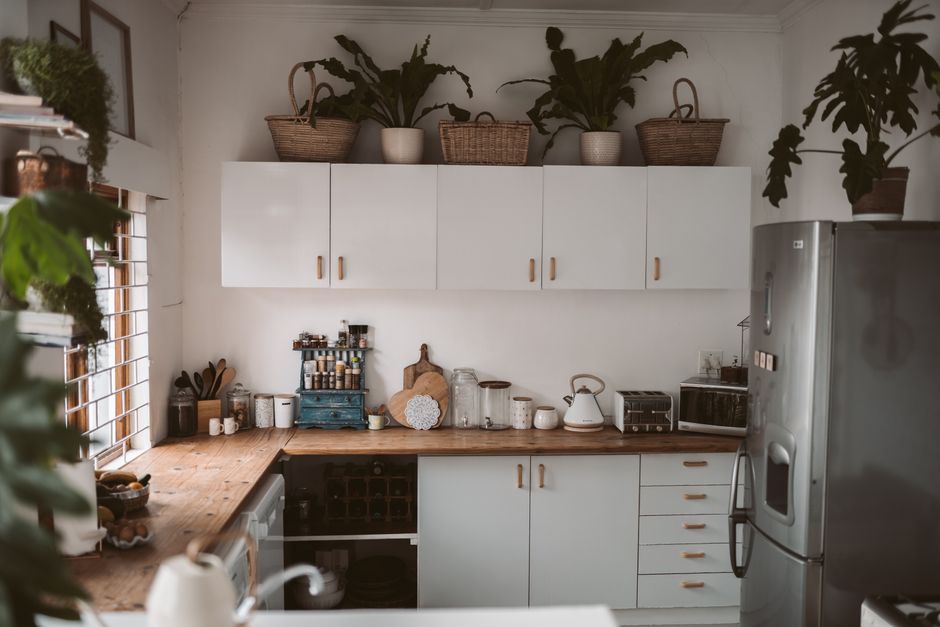
Pull colors or materials from your room’s existing palette. If your space is modern and minimal, go with sleek white, black, or concrete-look pots. In a bohemian room, natural terra cotta or woven containers work better. Eclectic spaces can handle mixed containers, but keep them cohesive through color or material.
When containers feel intentional, the entire corner feels intentional, even if the space itself is odd-shaped.
Choose the Right Plants for the Space
Not every plant works in every awkward spot. Consider your light situation first.
Dark corners need shade lovers like pothos, philodendron, cast iron plant, or ZZ plant. These tolerate low light and still look lush. Bright corners can handle succulents, snake plants, or bright-light-loving vining plants.
Also think about humidity and temperature. An awkward bathroom corner stays more humid than a hallway. An under-stair nook might stay cooler. Choose plants that match those conditions so they actually thrive instead of just existing.
Trailing plants are your MVP for awkward spaces. Pothos, string of pearls, string of hearts, and philodendrons naturally soften hard angles and fill space without taking up floor room. They look intentional cascading from a shelf or hanging pot, and they’re almost impossible to kill.
Group Small Plants for Big Visual Impact

Sometimes an awkward space feels awkward because it’s too empty. A single plant sitting alone in a corner still looks like a mistake. Three to five plants grouped together look like a design choice.
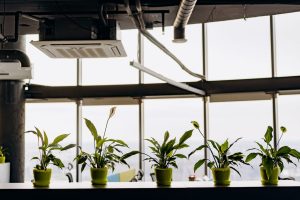
Cluster small plants of different heights and textures on a low shelf, plant stand, or table. A small snake plant, a trailing pothos, a textured peperomia, and a flowering kalanchoe together create interest. The varied shapes and sizes make the group feel collected and intentional.
This grouping approach is especially effective in narrow hallways, shallow shelves, or spaces too small for a single large plant.
Consider Interior Landscaping for Larger Awkward Spaces
If your awkward space is actually pretty large, think bigger. Interior landscaping transforms underutilized areas into thriving plant installations that feel like part of the room’s design.
This might look like a cluster of plants at different heights filling a whole corner, a living wall covering a bare expanse, or a strategic arrangement that softens architectural quirks.
It’s the difference between filling a space and designing it. If you’re planning a major plant moment in an awkward area, professional guidance on plant selection, layout, and ongoing care sets you up for success. That’s where Nature Indoors comes in, offering custom interiorscape design and maintenance tailored to your specific space and light conditions.
Hang Plants to Draw the Eye Upward
Narrow or tight spaces feel less cramped when your eye travels upward. Hanging plants are the easiest way to make this happen.
Macramé hangers, ceiling hooks, or wall-mounted shelves all work. The plants themselves become vertical lines that expand the perceived space. A tall, trailing plant hanging near a low ceiling makes the room feel airier.
In a stairwell, hanging plants on alternating sides of the stairs draw your eye up as you move through the space, making it feel intentional rather than just a passage.
Layer Heights and Textures for Depth
Even in a tiny awkward space, you can create dimension by playing with height and texture.
Use plant stands, stacked books, or tiered shelves to place plants at different levels. Pair upright plants with trailing ones, smooth-leaf varieties with textured foliage, and solid colors with variegated patterns.
A tall snake plant next to a low trailing pothos next to a medium bushy peperomia creates visual rhythm in the same small footprint. It’s the design trick that makes a cramped space feel curated instead of crowded.
Light and Maintenance Matter in Tight Spaces
Awkward spaces often have lighting challenges too. Before you commit to plants, be honest about the light your space gets.
Pull out your phone and check corners at different times of day. Does that alcove get bright indirect light all afternoon, or is it dark all the time? An under-stair area might stay dim no matter what. Work with what you have instead of fighting it.
The same goes for watering access. If your awkward space is hard to reach, choose low-maintenance plants that won’t guilt you for forgetting them. Pothos, ZZ plant, and snake plant are nearly impossible to kill.
People Also Ask
What’s the best plant for a dark corner?
Pothos, philodendron, ZZ plant, and cast iron plant all thrive in low light. Pothos is probably the most forgiving and grows fast, so you’ll see results quickly. Let it trail from a shelf or hang it for maximum impact in a dark space.
Can I use multiple small plants instead of one large plant in an awkward space?
Yes, absolutely. Grouping 3-5 small plants together often looks better than one large plant in an awkward spot. The variety in size, texture, and shape creates visual interest and feels more intentional than a single specimen.
How do I keep plants alive in an awkward space I can’t reach easily?
Choose low-maintenance plants like snake plant, ZZ plant, pothos, or succulents that can handle inconsistent watering. Set phone reminders to check them monthly. If regular maintenance feels burdensome, Nature Indoors offers ongoing plant care and maintenance services so your plants stay thriving without the stress.
Should I use hanging plants or shelves for awkward spaces?
Both work, depending on your style and the space. Hanging plants are best for very narrow spaces or when you want maximum visual impact. Shelves give you more flexibility to group and rearrange plants. Consider your room’s aesthetic and choose what feels most natural.