Indoor plants don’t hibernate, but they do shift their needs with the seasons. If you’ve ever watched a thriving plant suddenly struggle in winter or noticed your spring babies needing constant water, you’re experiencing what seasonal changes do to indoor greenery. The good news: once you understand seasonal indoor plant care tips, keeping your plants healthy all year becomes almost automatic.
The key is recognizing that your plant’s growing season, light exposure, humidity levels, and watering schedule all change with the calendar. Get these right, and your indoor garden thrives. Mess them up, and you’ll watch your favorite fiddle leaf fig slowly decline. Let’s walk through exactly what each season demands.
Related: Indoor Plant Care for Busy Professionals: Easy Tips
Related: Indoor Plant Care Tips for Busy Professionals in Austin
Spring: The Time to Wake Your Plants Up
Spring is when your indoor plants shift into growth mode. Days are getting longer, temperatures are warming up, and your plants can sense all of it.
Start by giving your plants a good inspection. Look for dead leaves, leggy growth, or branches that look weak. Prune away anything that doesn’t look healthy. This clears space and energy for new, vibrant growth. When you prune during early spring, you’re essentially telling your plant: “Let’s make something beautiful.”
Increase your watering gradually as temperatures rise. Your soil will dry out faster than it did in winter, so check it more often. Stick your finger about an inch into the soil. If it feels dry, water. If it’s still moist, wait another day or two.
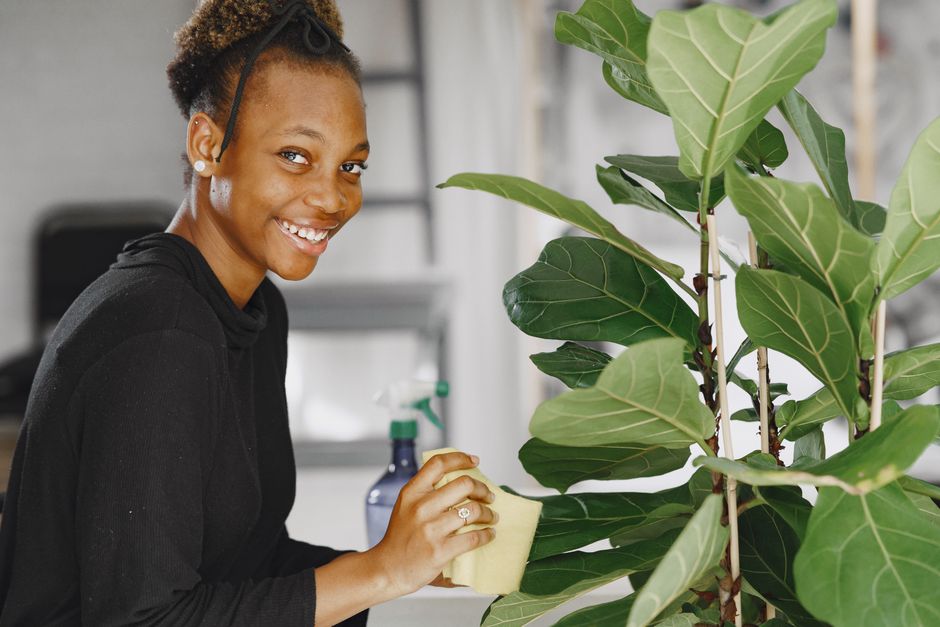
Spring is also the time to dust your plants’ leaves if you haven’t already. Dust buildup blocks light and makes photosynthesis harder. A soft, damp cloth works perfectly. Clean leaves directly support healthier, faster growth during the growing season.
If you’re thinking about repotting or adding new plants to your collection, spring is ideal. The warm, bright days give new plants the best shot at settling in successfully. Nature Indoors can help you design a spring refresh if you’d like professional guidance on placement and plant selection.
Summer: High Water, High Attention
Summer is the most demanding season for indoor plant care. Your plants are in full growth mode, the days are longest, and indoor temperatures can spike.
Water more frequently during summer. Many tropical plants that thrive indoors love consistent moisture during warm months. Check your soil every few days. The faster your soil dries out, the more often you’ll water. But here’s the critical balance: consistent moisture is not the same as soggy soil. Roots need oxygen too. Ensure your pots have proper drainage holes so excess water can escape.
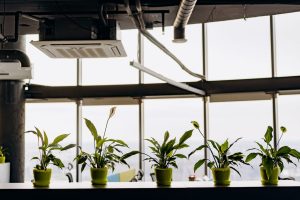
Heat and air conditioning can both dry out your indoor air in summer. Try to maintain humidity levels above 50% if possible. You can mist plants lightly, group them together so they create their own humid microclimate, or set pots on trays filled with pebbles and water (just don’t let the pot sit directly in the water).
Watch your light exposure. Some plants that loved bright winter light might appreciate a bit of filtered shade during intense summer sun. Harsh afternoon rays can actually scorch leaves. If you notice bleaching or browning on leaves facing south or west, pull the plant back slightly from the window or use a sheer curtain to diffuse the light.
Inspect your plants weekly for pests. Warm, humid conditions attract spider mites, mealybugs, and scale insects. Catching problems early makes them easy to handle. If you spot anything unusual, isolate that plant and clean the leaves thoroughly.
Fall: The Transition Season
Fall is when indoor plant care starts shifting toward a lighter routine. Days are getting shorter, temperatures are dropping, and your plants are naturally slowing down their growth.
Begin reducing your watering frequency in early fall. Your plants aren’t growing as aggressively, so they’re using less water. Soil will also stay moist longer as temperatures cool. Check the soil more often than you water. Let the top inch or two dry out between waterings.
Clean your windows inside and out if you can. As fall light becomes more precious, you want every bit of it reaching your plants. Dust on windows blocks light just like dust on leaves does.
Hold off on fertilizing during fall. Your plants are naturally entering a slower phase, and feeding them now can create weak, tender new growth that won’t handle winter well. Save the fertilizer for spring when growth really kicks in.
If you have plants near heating vents or radiators, now’s the time to start paying attention. As home heating turns on, air gets drier. Move plants away from direct heat sources if possible, or be prepared to water and mist more frequently as indoor humidity drops.
Winter: The Careful Season

Winter is when most indoor plant owners struggle. The days are short, the air is dry, and temperatures are cold. But winter plant care doesn’t have to be complicated. You’re mostly focused on preventing damage and maintaining what you have.
Reduce watering significantly in winter. This is the most common mistake people make. Your plants need far less water when they’re barely growing. Before you water, always check the soil. It should be noticeably drier than in summer. Many plants will do fine if you water them only every 10-14 days in winter. The key is never letting soil dry out completely, but accepting that it will be drier than other seasons.
Maintain indoor humidity above 50% if possible. Winter heating dries out the air dramatically. Group your plants together, mist them occasionally, or run a humidifier nearby. Dry air stresses plants and makes them vulnerable to pest problems.
Protect your plants from cold. Keep them away from cold windows, drafty doors, and heating vents. A sudden temperature drop can shock tropical houseplants. Most indoor plants prefer temperatures between 60-75 degrees Fahrenheit. Anything colder can cause leaf drop and damage.
Light becomes precious in winter. If your plants usually sit back from a window, consider pulling them closer to catch every bit of available sunlight. South-facing windows typically offer the best winter light. If your space is really dark, you might notice plants growing slower or looking paler. This is normal and not a crisis. They’ll bounce back when spring arrives.
Resist the urge to fertilize or repot during winter. Your plants aren’t actively growing, so feeding them now wastes fertilizer. Wait until spring when growth resumes. If you’re unsure whether your current care routine is working, Nature Indoors offers maintenance services that can take the guesswork out of year-round plant care.
Related: Rotating Plant Maintenance Program Austin: Year-Round Care
Year-Round Care Habits That Support Seasonal Changes
Beyond seasonal adjustments, a few consistent habits make everything easier.
Inspect your plants regularly, ideally once a week. Look at the soil, check the leaves for dust or damage, and spot any signs of pests or disease early. Small problems are easy to fix. Big problems are stressful.
Clean leaves as part of your routine. Dust reduces light absorption and can harbor pests. A soft, damp cloth or a gentle spray of lukewarm water works great. Do this every 4-6 weeks year-round.
Ensure your pots have proper drainage. This is non-negotiable. Waterlogging kills plants faster than anything else. If water sits in the saucer beneath the pot for more than a few minutes after watering, either your pot lacks a drain hole (fix this), or you’re watering too much (adjust).
Use appropriate soil for indoor plants. Indoor plant soil should be light, well-draining, and designed for container growing. Don’t use outdoor garden soil. It compacts in pots and holds too much moisture, leading to root rot.
Adjust your lighting as seasons change. In fall and winter, move plants slightly closer to windows. In late spring and summer, you might pull them back slightly if direct sun seems intense. This simple adjustment prevents stress from sudden light changes.
Keep your home at a consistent temperature. Dramatic temperature swings stress plants. Avoid placing plants near cold windows, heating vents, or areas where temperature fluctuates wildly throughout the day.
Creating Your Seasonal Care Calendar
The easiest way to stay on top of seasonal changes is to set yourself seasonal reminders. When spring arrives, remind yourself to prune, increase watering gradually, and dust leaves. When summer hits, remind yourself to check plants more frequently and watch for pests. As fall approaches, start reducing water. When winter comes, dial everything back and focus on protection.
This doesn’t need to be complicated. A simple note in your phone or calendar works perfectly. The point is building a habit around these seasonal shifts so they become automatic, like changing your wardrobe with the seasons.
Indoor plant care looks intimidating at first, but it’s really just recognizing that plants have natural rhythms tied to light, temperature, and humidity. Once you align your care routine with these seasonal changes, your plants will reward you with consistent, vibrant growth. Whether you’re a beginner building confidence or an experienced plant parent fine-tuning your approach, seasonal awareness changes everything.
Common Seasonal Plant Care Questions

Should I fertilize my plants in winter?
No, skip fertilizing in winter. Your plants are barely growing, so fertilizer won’t help and can create weak new growth. Wait until spring when active growth resumes, then fertilize every 4-6 weeks during the growing season.
Why do my plants drop leaves in fall?
Dropping leaves is a natural response to shorter days and lower light. It’s not always a sign of problems, though it can be if paired with other issues like cold drafts or sudden temperature changes. Reduce watering as foliage drops, and avoid moving plants unnecessarily. Most plants will stabilize once they’ve adjusted to the season.
How often should I repot plants?
Spring is the best time to repot. Check if roots are circling the soil or growing out of drain holes. If so, move to a pot that’s 1-2 inches larger in diameter. Avoid repotting in winter when growth has slowed.
What’s the best temperature for indoor plants?
Most tropical houseplants thrive between 60-75 degrees Fahrenheit. Keep them away from cold windows below 50 degrees and away from hot spots above 80 degrees. Consistent temperature matters more than finding the perfect number.