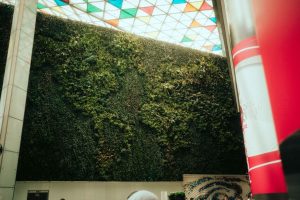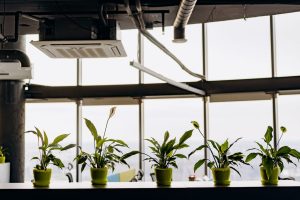
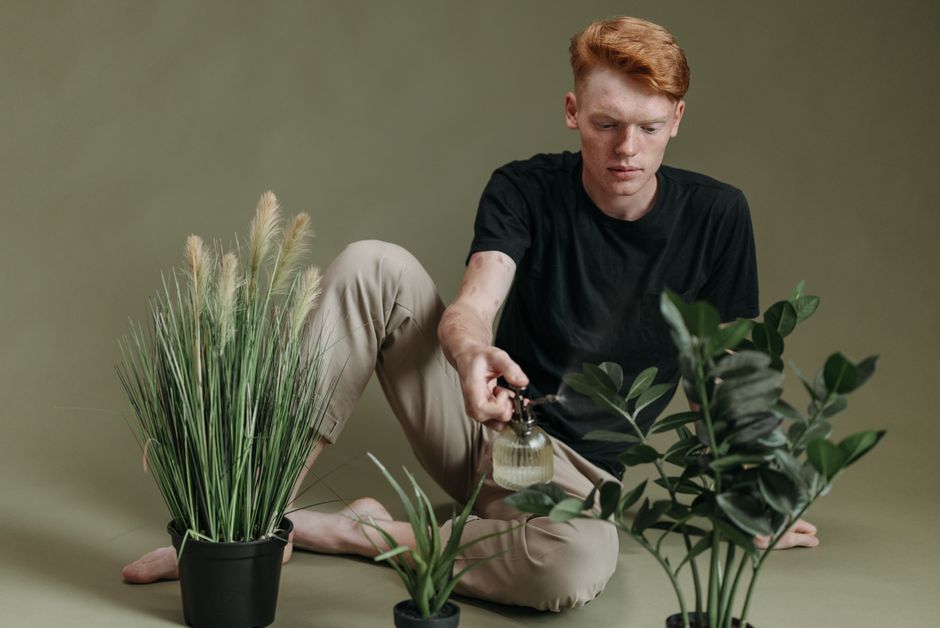
If you’re tired of killing plants because you forget to water them, or you’re just not interested in a daily plant care routine, here’s the good news: indoor plants that don’t need much water actually exist. And they’re not boring.
The trick is choosing the right species. Some houseplants are literally built to survive long stretches without a drink. They store water in their leaves, stems, or roots, and they actually do better when you water them less often. Overwatering is way more common than underwatering when it comes to houseplant death.
If you want greenery in your home without the stress, Nature Indoors specializes in matching people with plants that fit their lifestyle. But first, let’s talk about which plants are genuinely forgiving.
Related: Indoor Plants for Austin Rental Apartments: 12 Easy Options
The Best Indoor Plants That Don’t Need Much Water
These are the heavy hitters of the low-water plant world. They’re hardy, they look good, and they’re nearly impossible to kill if you follow one simple rule: let the soil dry out between waterings.
Related: Plants for Windowless Office Rooms: 7 Hardy Indoor Plants That Thrive
Snake Plant (Sansevieria)
The snake plant is a desert plant pretending to be a houseplant. It stores water in its leaves and can go weeks without watering. Some people water theirs once a month. It’s also one of the few plants that tolerates low light, so it works in bedrooms, bathrooms, or that corner with no window.
The upright, striped leaves add a modern vibe to any room. If you’re a serial plant killer, start here.
ZZ Plant (Zamioculcas zamiifolia)
The ZZ plant is basically the “set it and forget it” of houseplants. It has thick, glossy leaflets that store moisture, and it thrives on neglect. It prefers bright, indirect light but handles lower light surprisingly well. Water it every 2-3 weeks in growing season, less in winter.
It’s compact enough for a desk and sculptural enough for a living room corner.
Pothos (Devil’s Ivy)
Pothos is forgiving, fast-growing, and ridiculously easy to care for. It’s a vining plant that you can train to climb a moss pole or let trail from a shelf. Water when the top inch of soil feels dry. It tolerates low light, which makes it perfect for offices or hallways.
Bonus: it’s one of the cheapest plants to start with.
Philodendron
Similar to pothos, philodendrons are climbing or trailing plants with large, attractive leaves. They’re equally forgiving and equally low-maintenance. They prefer to dry out slightly between waterings. There are tons of varieties, so you can find one that matches your aesthetic.
Rubber Plant (Ficus elastica)
The rubber plant has big, bold, waxy leaves that look like they belong in a high-end design magazine. It’s low-water because of those thick leaves, which store moisture and reduce the plant’s thirst. It likes bright, indirect light and prefers you water it less often. Once every 1-2 weeks is plenty.
It grows tall and makes a statement in a corner or against a wall.
Spider Plant
Spider plants are practically indestructible. They’re drought-tolerant, they handle neglect, and they bounce back from anything. The arching green and white striped leaves are cheerful and eye-catching. They don’t need much light and they don’t need much water.
They also produce little “babies” that you can propagate if you want to fill your space with more plants.
Orchids
Most people think orchids are hard to grow. They’re not. They’re just different. The key is understanding that they don’t like sitting in wet soil. Orchids prefer to dry out between waterings, sometimes significantly. Water once a week or once every two weeks, depending on humidity and light.
They flower for weeks or months, and they’re way more low-maintenance than most people think.
Ponytail Palm
The ponytail palm has a swollen base that stores water, which means it can go a long time between waterings. It’s not actually a palm, but it has that tropical feel. It needs bright light and prefers to stay on the drier side. Water sparingly, especially in winter.
Sago Palm
Sago palms are slow-growing, architectural plants with feathery fronds. They’re drought-tolerant and prefer dry conditions. They like bright light. Water only when the soil is completely dry.
Devil’s Backbone (Pedilanthus tithymaloides)
This is a smaller, wiry plant with red and pink variegated leaves. It’s technically a succulent, so it stores water and doesn’t need frequent watering. It likes bright light and can handle some neglect.
Succulents (Aloe, Echeveria, Jade Plant)
All succulents are designed for low water. They store water in their thick leaves, which means they can go weeks without a drink. Most need bright light to stay compact and colorful. The number one mistake with succulents is overwatering, so err on the side of leaving them alone.
How to Water Low-Water Plants the Right Way
Just because these plants don’t need much water doesn’t mean you never water them. The key is understanding the difference between “low-water” and “no-water.”
Let the soil dry out. Before you water, stick your finger about an inch into the soil. If it feels dry, water. If it feels moist, wait. This is the most important rule.
Water thoroughly when you do water. Pour water until it drains from the bottom of the pot. This ensures even moisture and flushes out any salts. Then let the pot drain completely. Your plant should never sit in standing water.
Use well-draining soil. Low-water plants need soil that doesn’t hold moisture. Standard potting soil works, but you can add perlite or orchid bark to improve drainage if you’re worried about overwatering.
Related: Plants That Improve Air Quality in Offices: Top Picks
Adjust for the season. Most plants need less water in fall and winter, when they’re growing more slowly. In spring and summer, you might water more frequently.
Consider your humidity. In dry climates or heated homes, soil dries out faster. In humid environments, it dries slower. Adjust your watering based on how quickly your specific soil dries, not on a rigid schedule.
Why These Plants Are Ideal for Busy People
Low-water plants aren’t just forgiving. They actually help you develop a healthier relationship with houseplants. You’re not obsessing over them. You’re respecting what they need.
They’re perfect if you travel frequently, work long hours, or just have a hectic life. They’re also great if you live in a dry climate where water dries up quickly, or if you don’t have ideal lighting in your space.
For anyone designing an indoor plant setup at home or in an office, starting with low-water species removes a huge barrier to success. If you’re looking to add greenery to your space without adding stress to your routine, Nature Indoors can help you pick plants and set up an arrangement that works with your lifestyle.
Low-Light Options Among Low-Water Plants
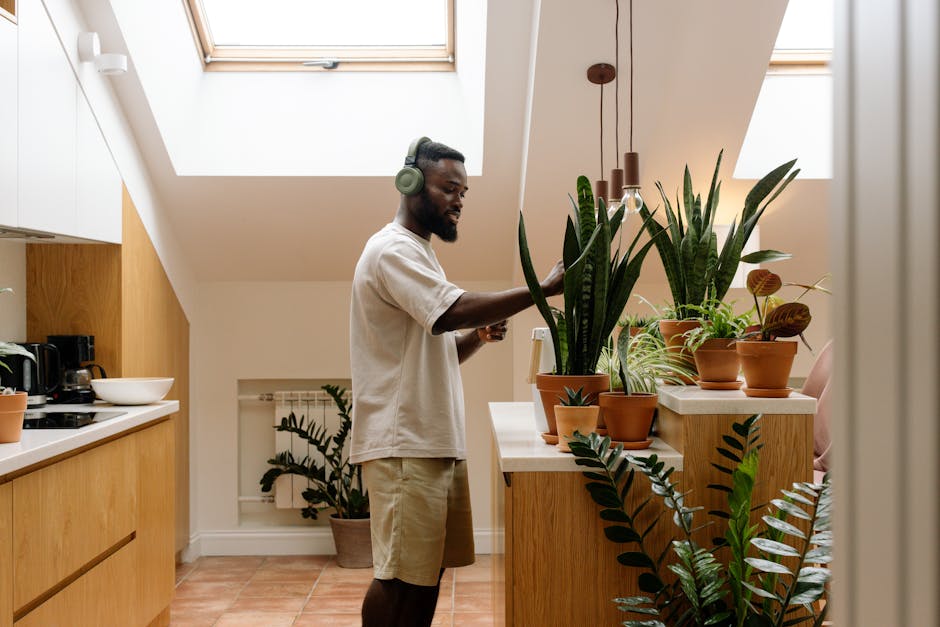
Not all homes have bright, sunny windows. The good news is that several low-water plants also handle low light beautifully.
Snake Plant is the champion of low light. It actually prefers indirect light and can tolerate dimly lit corners.
ZZ Plant also adapts to low light, though it grows faster in brighter conditions.
Pothos is forgiving of low light and will actually grow in offices with only overhead fluorescent lighting.
Philodendron is similarly adaptable and won’t sulk in a low-light space.
If you have a truly dark corner, snake plant and ZZ are your best bets. They won’t thrive in pitch darkness, but they’ll survive in much less light than most houseplants.
Common Mistakes to Avoid
Overwatering is the #1 killer. I can’t emphasize this enough. Low-water plants rot from too much water, not too little. If you’re unsure, wait another few days.
Using the wrong soil. Heavy garden soil or dense potting mixes trap moisture. Use a lightweight, well-draining potting mix designed for houseplants.
Putting the plant in a pot with no drainage hole. If water can’t drain, it sits at the roots and causes rot. Always use pots with drainage holes.
Watering on a schedule instead of checking soil moisture. “Water on Mondays” doesn’t work because every home is different. Check the soil first, always.
Placing the plant in low light when it needs bright light. Some low-water plants also need good light. Read the specific plant’s needs.
Setting Up Your Low-Water Plant Space
If you’re ready to fill your home with greenery that doesn’t demand constant attention, start by assessing your space. How much light does each room get? How often are you home? Do you forget to water things, or do you just prefer not to babysit plants?
Once you know your constraints, pick plants that match them. A plant by a bright north-facing window has different needs than one in a dim hallway.
Group plants with similar water needs together. This makes watering easier and more intuitive. If you’re designing a whole room or office setup, Nature Indoors can help create a layout that works for your space and your lifestyle.
Frequently Asked Questions

How often should I water low-water plants?
There’s no one answer because it depends on your soil, pot size, light, humidity, and season. The rule is simple: wait until the top inch of soil is dry, then water thoroughly. This might be once a week, once every two weeks, or once a month, depending on your specific setup.
Can low-water plants survive in very dark rooms?
Some can, but not all. Snake plant and ZZ plant are the most tolerant of low light. Orchids, rubber plants, and palms really do need brighter, indirect light to thrive. If you have a very dim room, snake plant or ZZ are your safest bets.
What’s the difference between low-water plants and succulents?
All succulents are low-water, but not all low-water plants are succulents. Succulents have thick, fleshy leaves or stems that store water. Low-water plants is a broader category that includes succulents, some tropical plants, and palms. Low-water plants might have different leaf structures but they still don’t need frequent watering.
Can I kill a low-water plant by under-watering it?
Technically yes, but it’s hard. These plants are built to handle dry spells. You’d have to ignore a plant for months or years. What’s way easier to do is kill them by overwatering. If you’re worried about under-watering, you’re probably not watering enough. These plants prefer it dry.