If you’re spending 8+ hours a day in an office, the air you’re breathing matters way more than you probably think. The good news? Plants that improve air quality in offices are real, scientifically proven, and way easier to maintain than you’d expect.
Indoor office air often gets trapped with stuff like formaldehyde, benzene, and xylene—chemicals that off-gas from furniture, carpet, and cleaning products. Plants naturally filter these toxins out through their leaves and roots. It’s not just a wellness trend; NASA research has documented how plants remove airborne toxins, and that science holds up whether you’re in a cubicle or a corner office.
Related: Best Home Office Plants Austin 2026: Top 5 Ranked
Let’s walk through the best plants for office spaces and how to actually make them work in your setup.
Best Plants for Office Air Quality
Not all plants are created equal when it comes to purifying office air. You want varieties that are tough, forgiving, and actually effective at filtering toxins.
Related: Best Plants for Improving Office Air Quality
Spider Plant (Chlorophytum comosum)
This is the MVP of office plants. Spider plants consistently rank at the top of air-purification studies because they remove formaldehyde and xylene faster than almost anything else.
Here’s what makes them perfect for your desk or shelves: they’re practically impossible to kill. They tolerate low light, irregular watering, and temperature swings that would stress out fancier plants. Plus, they produce those adorable cascading babies that you can propagate or just let them dangle.
Pro tip: hang them near a window or on a shelf where they can trail down. They look beautiful and cover more air space than a plant sitting on your desk.
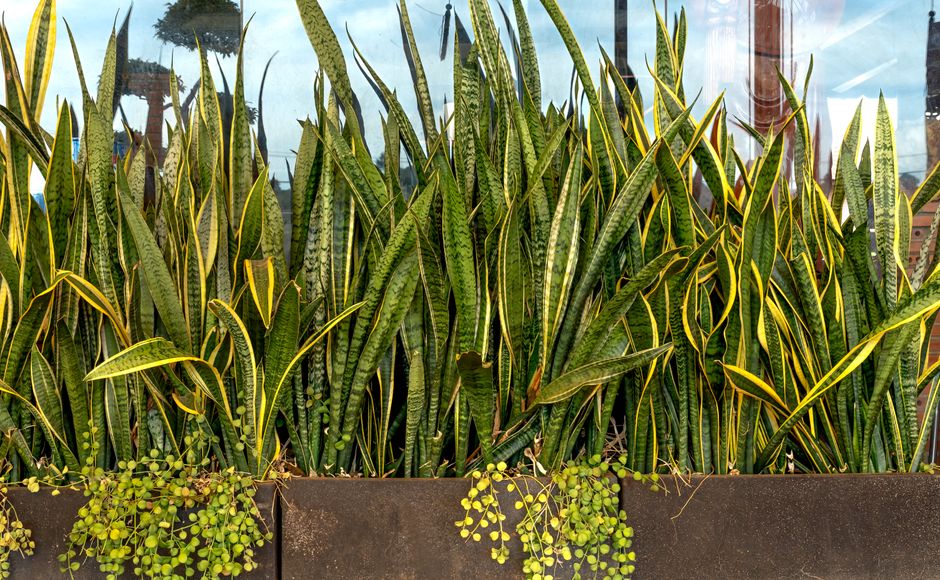
Snake Plant (Sansevieria trifasciata)
If you have a genuinely neglectful office setup—like you forget to water for weeks—snake plants are your answer. These guys thrive on minimal attention and still deliver serious air-purification power.
They remove formaldehyde, trichloroethylene, and benzene. They also work harder at night than most plants, releasing oxygen while you’re sleeping (which matters if you’re in an office with closed doors). Snake plants are architectural and sculptural, so they double as décor that actually looks intentional.
Related: Benefits of Plants in Commercial Offices: Why They Matter
Related: How to Style Plants in Home Offices: A Designer’s Guide
Related: Best Indoor Plants for Tech Company Offices in 2026
They prefer indirect light and infrequent watering. Stick one in a corner, forget about it for a month, and it’ll still be thriving.
Related: Best Indoor Plants for Low Light Offices: 7 Thriving Options
Related: Plants for Dark Corners in Offices: 9 Low-Light Winners
Peace Lily (Spathiphyllum)
Peace lilies are the overachievers. They remove ammonia, formaldehyde, and benzene. They’re also wildly beautiful with dark green foliage and white flowers that come back year-round with minimal effort.
They actually signal when they need water by drooping slightly—which is helpful if you’re not a natural waterer. They prefer medium, indirect light and moist (not soggy) soil.
One heads-up: peace lilies are mildly toxic to pets and kids, so keep them out of reach if that’s a concern for your office space.
Philodendron Varieties
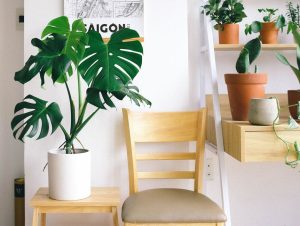
Elephant Ear Philodendrons and Lacy Tree Philodendrons are both top performers for air quality improvement. They remove formaldehyde and other volatile organic compounds.
Philodendrons are forgiving, they climb or trail depending on the variety, and they thrive in moderate to low light. If your office doesn’t have great natural light (looking at you, basement workspace), a Philodendron will still grow.
Why Your Office Needs Multiple Plants
Here’s the thing: one plant in a big office is cute, but it’s not going to meaningfully shift your air quality. You need a mix.
Think about it like this—one air purifier in a 500-square-foot open office isn’t doing much. But two or three plants spread around, combined with better airflow and ventilation, actually start to make a measurable difference.
If you’re working in a cubicle or small office (like 100-200 square feet), aim for at least 3-4 plants of varying types. A larger open office or conference room should have 5-8. Mix varieties so you get different toxin-removal profiles working together.
This is where professional guidance helps. Nature Indoors specializes in designing plant layouts for office spaces that actually fit your light conditions, desk space, and maintenance capacity. They’ll help you pick plants that complement your office ecosystem, not fight against it.
Office Lighting Matters (More Than You Think)
Your office light situation is the biggest factor in plant success. Most offices have either fluorescent overhead lighting, natural light near windows, or a mix.
Spider plants, snake plants, and Philodendrons all handle low to medium light pretty well. Peace lilies prefer medium indirect light but tolerate fluorescent. Rubber Trees and Dragon Trees also do fine in typical office conditions.
If your office has zero natural light, stick with low-light tolerant varieties. If you have windows with indirect light, you can expand to plants that want more brightness.
The mistake most people make: putting a light-loving plant in a dark corner and wondering why it slowly dies. Be honest about your office’s light. If you’re not sure, Nature Indoors can assess your space and recommend plants that actually thrive in your specific conditions.
Related: Plants for Windowless Office Rooms: 7 Hardy Indoor Plants That Thrive
Low-Maintenance Care for Busy Office Life

You’re busy. Your plant can’t depend on you checking in every day. Here’s how to set up your office plants for success without them becoming a source of stress.
Watering Without Stress
The biggest killer of office plants is overwatering. People think “I’ll be nice to my plant” and drown it. Stop.
Most office plants want their soil to dry out between waterings. Stick your finger an inch into the soil. If it feels dry, water. If it feels moist, wait a few days.
Snake plants and Philodendrons especially prefer drier conditions. Water every 2-3 weeks. Peace lilies and Spider plants like it a bit moister—water when the top inch is dry, usually once a week.
In winter, everything needs less water because growth slows. Cut your watering back by about 30%.
Light and Placement
Put your plants where they naturally fit into your office routine. A plant on a shelf behind your monitor is going to get neglected. A plant on your desk where you see it every day? That’s the one that’ll thrive because you’ll actually notice when it needs water.
Near windows (without direct harsh sun) is ideal. If that’s not possible, medium indirect light from overhead fixtures still works for most varieties.
Humidity and Temperature
Most offices hover around 40-60% humidity and 68-74 degrees. That’s honestly fine for air-purifying plants. They don’t need a tropical environment.
If your office is particularly dry (lots of air conditioning), mist your Spider Plants and Peace Lilies occasionally, or group plants together so they create their own microclimate of moisture.
Creating an Office Plant System That Lasts
The real secret to keeping office plants alive isn’t picking the “right” plant—it’s building a system that works with your life, not against it.
Set a phone reminder for watering day. Keep a small watering can under your desk or near the break room. Choose plants that match your light and attention level, not the plant you think you “should” have.
If your office rotates through seasonal changes or you go on vacation, let someone know which plants need care. Or pick hardier varieties like Snake Plants that can genuinely survive 3+ weeks without water.
If this feels overwhelming, that’s the whole reason people hire professionals. Nature Indoors offers plant maintenance services for offices, so your greenery stays healthy and beautiful without becoming another task on your plate.
Real Talk: Do Plants Actually Improve Office Air?
Yes, but with nuance. A single plant won’t dramatically change the air quality of a massive office in one day. But a thoughtfully designed collection of air-purifying plants, combined with decent ventilation and regular plant care, measurably improves indoor air quality over time.
Think of plants as part of a holistic approach—better air means better focus, fewer headaches, and fewer sick days. Studies show that office workers with plants nearby report higher satisfaction and productivity.
The wellness bump is real. Your space feels calmer. You breathe better. You’re more creative. Those things compound.
Getting Started With Your Office Green Space
Start small. Pick one or two plants you actually like looking at. Spider Plant or Snake Plant are solid first picks because they genuinely forgive mistakes.
Place them somewhere you’ll see them daily. Water them when the soil feels dry. Watch them grow.
Once you get comfortable with basic plant care, expand. Add a Peace Lily for a different look and different toxin-removal profile. Group your plants together to create visual interest and a little humidity zone.
If you want to skip the learning curve and jump straight to a fully designed office plant system that actually works, that’s where professionals come in. Many offices in Austin work with Nature Indoors to design custom plant solutions that fit their space, light, and budget. They handle everything from initial design to ongoing maintenance, so your office stays green and healthy without the guesswork.
Plants Beyond Air Quality
Here’s what’s cool about adding air-purifying plants to your office: they do multiple jobs at once. Yes, they filter toxins. But they also soften hard office lines, create visual calm, and remind you that nature exists even when you’re staring at screens all day.
Your office environment shapes your mood and focus way more than you probably realize. Adding living greenery isn’t just good air quality—it’s good wellness.
Do air-purifying plants really remove toxins from office air?
Yes. NASA research and peer-reviewed studies confirm that plants remove volatile organic compounds like formaldehyde, benzene, and xylene through their leaves and root systems. However, effectiveness depends on plant size, air circulation, and the number of plants in the space. One plant in a large office won’t dramatically shift air quality alone, but a collection of plants combined with good ventilation measurably improves indoor air quality over time.
Which office plant is easiest to maintain?
Snake Plant. It tolerates low light, irregular watering (once every 2-3 weeks), and temperature swings. You can genuinely forget about it for weeks and it’ll still be fine. Spider Plants are also extremely forgiving and nearly impossible to kill, making them tied for easiest care in most office setups.
How many plants do I need to improve office air quality?
For a noticeable improvement in a typical office (100-200 square feet), aim for 3-4 plants of different varieties. Larger open offices benefit from 5-8 plants spread throughout the space. The goal is coverage and variety—different plants remove different toxins, so a mix works better than a single type.
Can I keep air-purifying plants in an office with low natural light?
Absolutely. Spider Plants, Snake Plants, Philodendrons, and Peace Lilies all tolerate medium to low indirect light. Fluorescent overhead lighting (standard in most offices) works fine for these varieties. Avoid plants that need direct, bright sunlight if your office lacks windows or natural light sources.