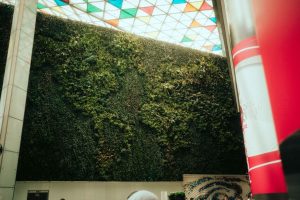
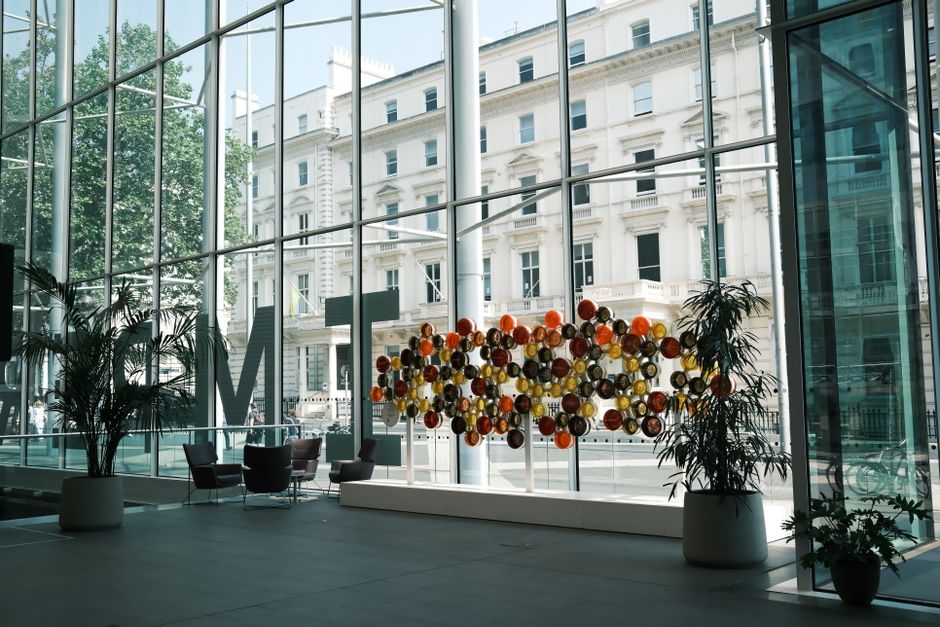
A lobby is the first thing your visitors, clients, or guests see when they walk through your door. So why not make it green?
Large indoor plant installations for lobbies aren’t just about dropping a few potted plants in a corner. They’re a thoughtful design strategy that combines tall focal plants, medium-sized greenery, and smaller tabletop accents to create visual interest, improve air quality, and set a calm, professional tone from the moment someone enters your space.
This guide walks you through everything you need to know to plan, design, and maintain a lobby plant installation that actually works.
Related: Commercial Plant Design for Healthcare Offices: A Wellness Guide
Related: Indoor Plant Design for Wellness Spaces: A Complete Guide
Related: Indoor Plant Design for Apartment Living: Complete Guide
Related: Indoor Plant Design Services Austin: A Local Guide
Why Your Lobby Deserves a Plant Installation
Before we talk design, let’s be honest about why this matters. A lobby with living plants feels different. It’s more welcoming, more sophisticated, and more human.
Indoor plants improve air quality by naturally filtering toxins and releasing oxygen. That’s not just nice—it contributes to a healthier environment for everyone who spends time there. Beyond the science, a well-planted lobby creates a serene atmosphere that immediately signals to visitors that you care about their experience. Plants soften harsh architectural lines, add color and texture, and make conversations feel less formal.
If you’re not sure where to start with Nature Indoors, the first step is understanding how plants and space work together.
Understanding Scale and Vertical Space
Large lobbies have one big advantage: vertical space. Unlike a small room, you can actually use the height of your lobby to create drama and draw the eye upward.
The key design principle is contrast with restraint. That means mixing plant sizes intentionally, not randomly. Think of it as three layers:
- Tall plants serve as focal points and command vertical space. They anchor the installation and give the lobby a sense of scale.
- Medium plants provide visual balance and fill the mid-level areas. They connect the tall plants to the floor.
- Smaller tabletop plants add detail and complete the composition at lower levels. They’re what people notice when they’re actually standing in the space.
When you layer these three tiers thoughtfully, your lobby feels designed, not cluttered. The eye has a clear path to follow, and the space feels organized and intentional.
Choosing the Right Plants for Lobby Conditions
Not all plants work in every lobby. The real question isn’t “what’s trendy” but “what will actually survive and thrive in your specific lighting and climate?”
Start by assessing your lobby’s light. Does it get bright, natural light all day? Does it have mostly indirect light? Is it quite dim, relying mostly on artificial lighting?
For bright, well-lit lobbies: Yucca plants are absolute workhorses. They tolerate heat and bright light conditions beautifully. They grow tall, look architectural, and demand very little from you. Pothos with their distinctive heart-shaped leaves is another reliable option that can handle bright indirect light.
For medium light: Spider plants are the air-purifying superstars. They’re incredibly easy to maintain and actually improve the air quality around them. ZZ plants are also fantastic here—they’re pet-friendly, low-maintenance, and have an elegant, modern look.
For shade-tolerant conditions: If your lobby doesn’t get much natural light, don’t panic. There are shade-loving varieties that will thrive. The key is matching the plant to what your space actually offers, not forcing a sun-lover into a dim corner.
The real pro move? Get a custom design approach that’s tailored to your specific lobby layout and lighting conditions. What works for one building won’t necessarily work for another.
Planning Your Installation Layout

Now that you know which plants work in your light, it’s time to think about where they go.
Walk your lobby and identify natural focal points. These might be an entryway wall, the space behind a reception desk, or a large empty corner. These spots are perfect for your tallest plants. A single statement plant in the right spot does more than three smaller plants scattered randomly.
From there, fill in the middle. Place your medium-sized plants to create a visual flow. They shouldn’t line a wall in a row—think about depth and movement. Push some forward, tuck some back. This creates a more natural, less rigid feel.
Finally, layer in your tabletop plants. These go on desks, side tables, shelves, or credenzas. They add personality and make the installation feel complete. A small spider plant on a console table or a pothos on a shelf transforms a bare surface into something intentional.
Maintenance Matters More Than You Think
Here’s where a lot of lobby installations fail: people design them beautifully, then forget about them. A dead or neglected plant installation looks worse than no installation at all.
Before you commit to this project, be honest about maintenance. Does your team have time to water on a schedule? Do you have someone who notices when a leaf is yellowing or when soil is bone dry? If the answer is no, you need a plan—whether that’s assigning responsibility to a team member, setting up a watering system, or bringing in professional maintenance support.
Different plants have different needs. Yucca plants are forgiving. Spider plants need consistent moisture but recover well from occasional neglect. Pothos is incredibly adaptable. Choose plants that match your maintenance reality, not your hopes.
If managing lobby plants feels outside your wheelhouse, professional maintenance services exist specifically for this reason. Regular care keeps your installation looking vibrant and healthy year-round.
Putting It All Together
A successful large indoor plant installation for a lobby comes down to three things: the right plants for your light, thoughtful layering by height and size, and a realistic maintenance plan.
Start small if you’re new to this. Add one tall focal plant, one medium plant, and a few tabletop accents. See how they look, learn how they respond, then grow from there. You don’t need to fill every inch of your lobby at once.
The goal is a space that feels alive, welcoming, and intentional. When someone walks into your lobby and sees thriving green plants, they immediately understand that you care about creating a thoughtful environment. That’s powerful.
People Also Ask
How often should I water plants in a lobby installation?
It depends on the plant, the season, and your lobby’s humidity. Yucca plants and ZZ plants need less frequent watering—check soil moisture before watering. Spider plants and pothos prefer consistently moist soil but not soggy. A good rule: check your plants weekly, and water when the top inch of soil feels dry. In winter, most plants need less water. The key is being consistent.
Can I use artificial plants instead of real ones?
You technically can, but you’d lose the biggest benefits of a real plant installation. Real plants improve air quality, create a living, changing aesthetic, and psychologically impact visitors differently than artificial plants. Real plants require maintenance, but that’s also part of their value—they remind us that we’re tending to something living.
What’s the best way to light a lobby plant installation if there’s not much natural light?
Natural light is ideal, but grow lights can supplement or replace it if your lobby is dim. The key is choosing plants that tolerate lower light conditions—shade-tolerant varieties will be much happier than plants that naturally crave sun. You can also position plants near windows or reflective surfaces to maximize whatever light you do have. Some lobbies do great with a mix of low-light plants and strategic grow lights in recessed areas.
How much space do I need for a large plant installation?
There’s no minimum. Even a small lobby or entryway benefits from thoughtful plant placement. A single tall plant in a corner and a tabletop accent on a side table can transform a modest space. Larger lobbies obviously allow for more extensive installations, but the principle stays the same: layer by height, choose plants for your light, and maintain them consistently.