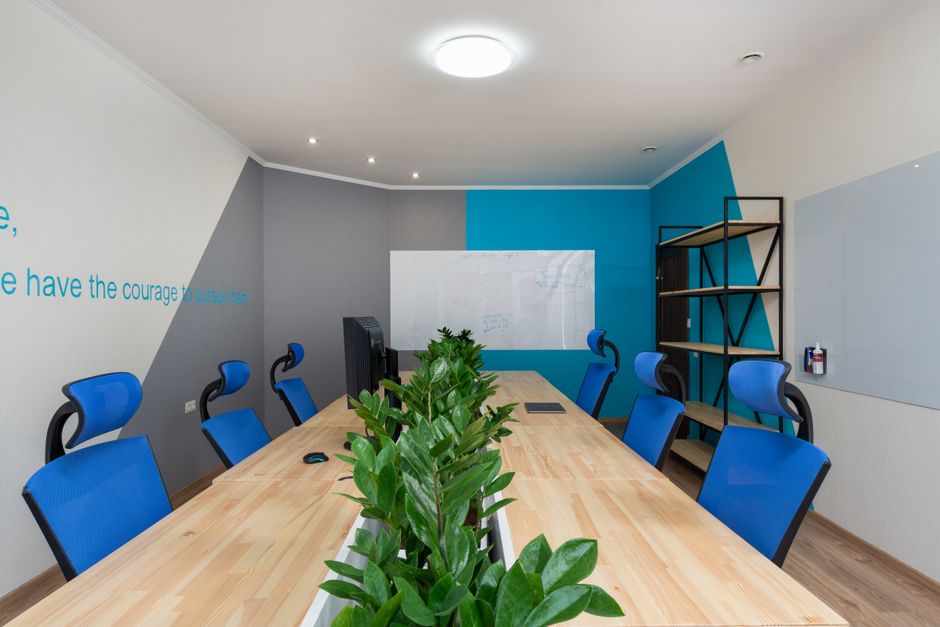
Stuck in a windowless office? The good news: you can absolutely have thriving plants in your space. Plenty of indoor plants are built for low-light environments and artificial lighting. You don’t need a sunny window to bring greenery into your work life.
The trick is choosing plants that are naturally adapted to shade and pairing them with the right lighting setup. Let’s walk through exactly which plants work best, how to set them up for success, and what makes windowless plant care actually doable.
Why Windowless Offices Need Plants (And Why They Can Have Them)
Working in a windowless space can feel draining. Natural light boosts mood, productivity, and focus. But here’s the thing: indoor plants—even in low light—offer similar wellness benefits.
Related: Best Indoor Plants for Tech Company Offices in 2026
Studies show that indoor greenery reduces stress, improves air quality, and makes people feel more connected to nature. That matters whether your office has windows or not. The plants you choose just need to be the tough, low-light varieties that don’t throw a fit without direct sun.
Nature Indoors has worked with dozens of windowless office spaces in Austin, and the results are always the same: the right plants transform the mood of a room, even without natural light.
Related: Low Maintenance Indoor Plants for Austin Homes
Best Plants for Windowless Office Rooms
Here are seven plants that genuinely thrive under artificial light and low-light conditions. These aren’t finicky. They’re forgiving, low-maintenance, and built for spaces like yours.
1. Snake Plant (Sansevieria)
Snake plant is basically indestructible. It tolerates low light, artificial lighting, irregular watering, and neglect. Your office could go dark for weeks and this plant would be fine.
Snake plants grow slowly and upright, so they fit nicely in corners or on filing cabinets. Water every 3-4 weeks. That’s it.
2. ZZ Plant (Zamioculcas zamiifolia)
ZZ plants are purpose-built for artificial light environments. They thrive under overhead office lighting and actually prefer indirect light to direct sun.
These plants have glossy, dark green leaflets that look polished and professional. They grow steadily without demanding attention. Water when the soil dries out, roughly every 2-3 weeks depending on your office temperature.
3. Peace Lily (Spathiphyllum)
Peace lilies are elegant and actually signal when they need water (the leaves droop noticeably). This makes them great for beginners because they give you clear feedback.
They grow well under fluorescent office lights and tolerate low light. Bonus: peace lilies help filter toxins from the air. Water when the top inch of soil feels dry.
4. Jade Plant
Jade plants are low-light succulents that don’t need much water. They’re compact, sculptural, and add visual interest to a desk or shelf.
Because they’re succulents, they store water in their leaves. This means you can skip watering for longer stretches without guilt. Water every 3-4 weeks, less in winter.
5. Zebra Plant
Zebra plants have striking dark green leaves with white stripes. They’re compact and work well on desks or small tables in windowless spaces.
They tolerate artificial light and low-light conditions. Keep the soil consistently moist but not soggy. Mist the leaves occasionally since they like a bit of humidity.
6. Nerve Plant (Fittonia)
Nerve plants are delicate-looking but surprisingly adaptable to artificial lighting. They have stunning patterned leaves and grow in neat, compact mounds.
They do like humidity and consistent moisture, so they’re ideal for offices with air conditioning that you can control. Water when the top of the soil dries slightly.
7. Echeveria (Succulent)
These rosette-shaped succulents come in shades of green, blue, red, and purple. They’re visually striking and require minimal care.
Echeveria adapts to low light and artificial lighting. Water sparingly—every 3-4 weeks—and let the soil dry completely between waterings.
Lighting Solutions for Windowless Offices
Artificial light alone can sustain plants, but you’ll see better growth with supplemental grow lights or quality overhead lighting.
Most office fluorescent or LED overhead lights provide enough light for low-light plants to survive. But if you want plants to actually thrive and grow, consider adding a simple grow light.
Grow lights come in several types. LED grow lights are energy-efficient and run cool, so you can position them close to plants without burning foliage. They come as panels, strips, or bulbs that fit standard fixtures.
Position grow lights 12-24 inches above your plants and run them for 10-12 hours daily. This mimics natural daylight cycles and keeps plants energized without overheating your office.
Overhead fluorescent or LED office lighting also works. If your office has standard ceiling lights, the plants listed above will survive under those lights alone. You’re not starting from zero—you’re just deciding whether to go basic or create an optimal setup.
Watering in a Windowless Space
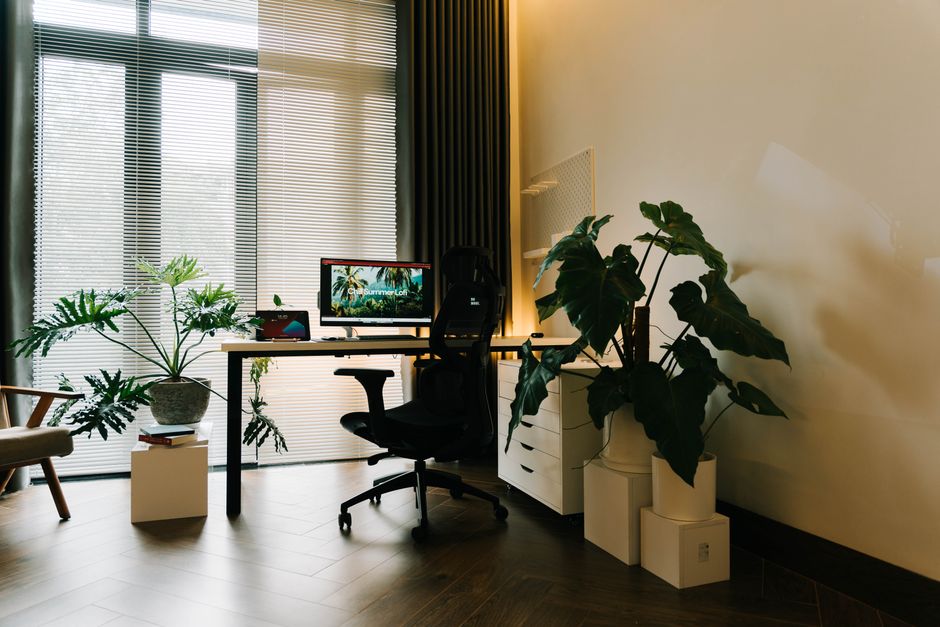
Without windows, your office likely has consistent temperature and humidity. That’s actually good for plants because conditions don’t swing wildly.
The biggest mistake people make: overwatering in low light. Plants in dark spaces use water more slowly because they’re not growing as fast.
A simple rule: stick your finger into the soil about an inch deep. If it feels dry, water. If it feels moist, wait another few days. Most low-light office plants only need water every 2-4 weeks.
Use room-temperature water and water until it drains from the bottom of the pot. Then empty the saucer so roots don’t sit in water.
Container and Pot Tips
Use pots with drainage holes. Seriously, this is non-negotiable in windowless spaces because standing water becomes a real problem without air circulation and sunlight to help dry things out.
Terracotta pots dry faster than plastic or ceramic, which can help prevent overwatering. If your office has low humidity (thanks, air conditioning), terracotta is a solid choice.
Use quality indoor potting soil, not garden soil. Indoor soil has better drainage and aeration for container plants.
Related: How Often to Water Indoor Office Plants: A Practical Guide
Creating a Thriving Low-Light Office Garden
The secret to windowless plant success isn’t complicated: pick hardy, low-light plants, give them supplemental light if possible, and don’t overwater.
Most people overthink it. Your office doesn’t need to look like a greenhouse. A few well-chosen plants in the right spots create a calming, professional environment that actually boosts your mood and focus.
If you’re designing a whole office space and want help choosing plants that fit your lighting, layout, and aesthetic, Nature Indoors offers custom interiorscape design for Austin offices. They can assess your specific space and recommend a tailored setup that works.
But honestly? Start with one snake plant or ZZ plant and see how it goes. Once you prove to yourself that plants can thrive in your space, you’ll gain confidence to add more.
Maintenance Checklist for Windowless Offices

Here’s a quick monthly routine to keep your plants healthy:
- Check soil moisture once a week. Water only when dry.
- Wipe leaves with a soft, damp cloth monthly to remove dust. This helps plants “breathe” and look fresher.
- Rotate pots every few weeks so all sides get equal light exposure.
- Watch for pests (spider mites, mealybugs). Windowless spaces with stable temperatures can occasionally attract pests, but it’s rare and easily treated with neem oil or insecticidal soap.
- Fertilize lightly during growing season (spring and summer) with diluted, balanced liquid fertilizer every 4-6 weeks. Skip fertilizer in fall and winter when growth slows.
That’s genuinely all the maintenance most low-light office plants need. If you’re someone who travels for work or takes extended time off, these plants are forgiving enough to handle occasional neglect.
Troubleshooting Common Windowless Plant Problems
Your plant is turning yellow. Most likely cause: overwatering. Let it dry out more between waterings and check that the pot has drainage holes.
Growth is slow or stalled. This is normal in low light. Plants grow slower without direct sun. If you want faster growth, add a grow light. Otherwise, patience is the answer.
Leaves are drooping or look wilted despite moist soil. This often signals poor drainage or root rot from standing water. Repot into fresh soil with proper drainage holes.
Brown leaf tips. Usually caused by low humidity in air-conditioned offices. Mist leaves occasionally or place the pot on a tray with pebbles and a bit of water (don’t let the pot sit in water).
Leaves are pale or losing color. Could be light-related or a sign of nutrient deficiency. Try adding a grow light for a few weeks. If color doesn’t return, apply balanced liquid fertilizer at half strength.
Getting Started: Your First Windowless Plant
Pick one plant from the list above that appeals to you visually. Seriously, aesthetics matter. You’ll care for a plant you like looking at.
Get a small pot with drainage, quality indoor potting soil, and water it properly. Most of these plants come relatively small from garden centers or online retailers, so you won’t spend much money testing the concept.
Place it in a visible spot in your office—somewhere you’ll see it daily. This builds a habit and helps you remember to check on it.
Give it 4-6 weeks to settle in. Then reassess. Is it looking healthy? Growing? Did it survive your watering routine? If yes, add another plant. Build your windowless garden gradually.
If you find yourself wanting a bigger, more thoughtful design across your entire office space, that’s where custom plant design and maintenance services make a real difference. But you can absolutely succeed starting simple.
Why Indoor Plants Matter in Windowless Spaces
According to research from the National Institutes of Health, indoor plants reduce stress and improve psychological well-being even in confined spaces with artificial lighting.
Spending 8+ hours a day in a windowless office takes a toll. Adding greenery—real, living greenery—gives your brain a break from screens and harsh fluorescent light. Plants humanize a sterile space.
You don’t need natural light to feel the benefits. You just need the right plants and a realistic maintenance routine. The plants we’ve covered here deliver on both fronts.
Can plants really survive without windows?
Yes. Many indoor plants evolved in forest understories where they live under dense tree canopy with very little direct sunlight. Snake plants, ZZ plants, peace lilies, and others thrive in those conditions naturally. Artificial and overhead office lighting is often enough to keep them alive and growing slowly. Add a grow light if you want faster growth.
How often should I water plants in a windowless office?
Most low-light office plants need water every 2-4 weeks. The key is checking soil moisture before watering. Stick your finger an inch into the soil. If it feels dry, water. If it’s still moist, wait. Overwatering is the main killer of plants in windowless spaces because they use water more slowly without sunlight.
Do I need a grow light for windowless offices?
Not necessarily. Most of the plants recommended here survive under standard office overhead lighting. But if you want plants to grow faster and look more vibrant, a simple LED grow light (12-24 inches above plants, 10-12 hours daily) makes a noticeable difference. It’s optional but helpful.
What’s the easiest plant for a beginner in a windowless office?
Snake plant is the easiest. It tolerates low light, irregular watering, and neglect better than almost any other plant. It grows slowly, looks sleek, and is nearly impossible to kill. ZZ plant is a close second. Both are visually attractive and genuinely forggiving.