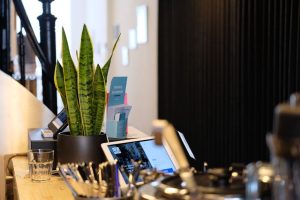
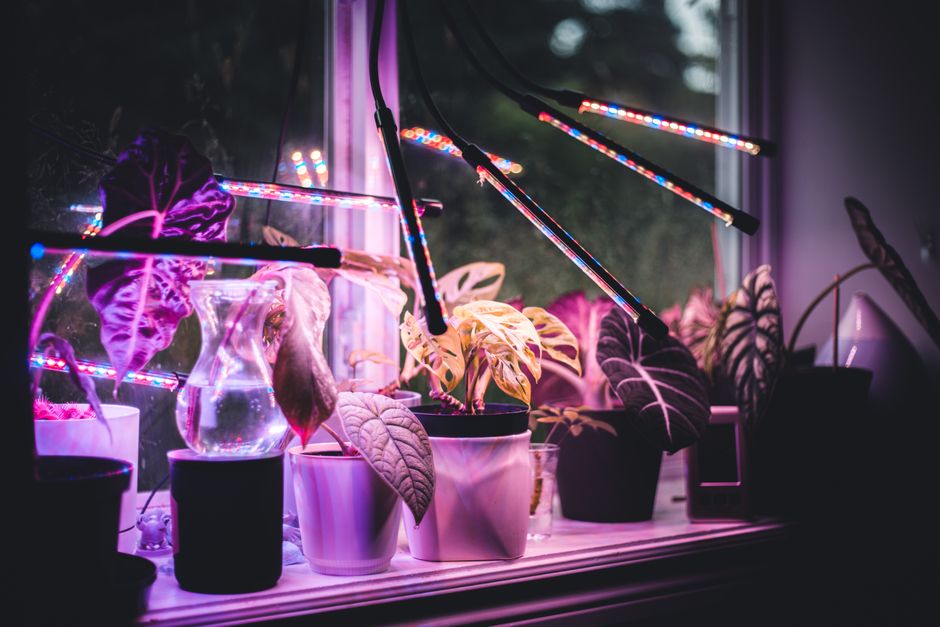
The biggest myth about indoor plants? You need natural sunlight to keep them alive. Not true. Some of the healthiest office plants I’ve seen are tucked into windowless conference rooms, cubicles, and home offices lit entirely by artificial light.
If your workspace doesn’t get much (or any) natural light, you’re not out of the game. In fact, artificial lighting might be your secret weapon for growing a thriving green office.
The Best Office Plants That Grow in Artificial Light
When you’re working under fluorescent or LED bulbs, you want varieties that don’t demand the sun. These plants are forgiving, relatively low-maintenance, and actually prefer indoor lighting conditions.
Related: Indoor Plants That Don’t Need Much Water: 11 Easy Picks
Related: Plants That Improve Air Quality in Offices: Top Picks
Pothos (Devil’s Ivy)
Pothos is the gold standard for artificial light. It grows in almost any condition and actually tolerates low light better than most plants. You can hang it, trail it from a shelf, or let it climb a small stake. Water it when the soil feels dry to the touch, and it’ll reward you with steady growth even under a desk lamp.
ZZ Plant
The ZZ plant is practically indestructible. It has waxy, green leaflets that look polished and professional, and it grows slowly but steadily under artificial light. It also needs less water than most plants, which makes it perfect for busy offices. Just let it dry out between waterings and you’re good.
Spider Plant
Spider plants are lightweight, cheerful, and they multiply. They produce little trailing babies (called plantlets) that you can propagate or just let hang down. They tolerate artificial light without complaint and add movement and texture to any desk setup.
Dracaena
Dracaenas come in so many varieties and heights that you can find one to fit almost any office corner. They grow upright, don’t need much light, and their architectural shapes look clean and modern. Some varieties have striped or colorful leaves that brighten dim spaces.
Aglaonema (Chinese Evergreen)
If you want color under artificial light, aglaonema delivers. These plants have red, pink, or silvery leaf patterns that stand out even in low-light offices. They’re slow-growing and compact, making them ideal for desks or narrow shelves.
Philodendron
Philodendrons are similar to pothos but slightly more compact. They have heart-shaped leaves and vining growth habits that soften a workspace. They handle artificial light like pros and don’t demand much attention.
Bromeliads
Bromeliads bring tropical vibes to fluorescent-lit spaces. They’re colorful, sculptural, and they thrive under artificial light. Many varieties have striking red or orange bracts (the colorful leaf-like structures) that hold their color for months. They need less frequent watering than most plants.
How to Set Up Your Office for Plant Success
Artificial light alone can work, but you need to get the setup right. Here’s what matters.
Choose the Right Bulbs
Not all artificial light is created equal. Fluorescent bulbs are better for plants than old incandescent bulbs because they emit light across a wider spectrum and stay cooler. LED grow bulbs are even better if you want to upgrade your setup. You can screw LED grow bulbs into standard desk lamps or overhead fixtures to give your plants a boost.
The key is finding bulbs that emit both blue and red wavelengths. Most modern LED bulbs marketed for “plant growth” or “full spectrum” will do the trick.
Position Lights Strategically
Your plants need light to reach the leaves, so position your light source above or to the side of the plant. If your desk lamp is off to one corner, rotate the plant every few weeks so it grows evenly. Don’t leave it in the same position all the time or it’ll lean toward the light and look lopsided.
Keep Lights On Consistently
Plants use light to photosynthesize, so consistency matters. Aim for 12 to 16 hours of artificial light per day for most office plants. You can use a simple timer on your lamp so the light turns on and off automatically.
Don’t Forget Water and Humidity
Artificial light doesn’t replace watering or airflow. Check your soil regularly and water when the top inch feels dry. Office environments are often dry, so consider grouping plants together or misting them occasionally to bump up humidity. Even low-light plants need to breathe.
Why Artificial Light Works for Office Plants
Office environments can feel sterile, but plants under artificial light change that. Fluorescent and LED bulbs provide consistent, predictable light that many plants actually prefer to the intense, variable light of a windowsill. You’re not fighting afternoon heat or weak winter days. Your plants get steady, reliable illumination.
Artificial light also gives you control. You choose when the light is on, how bright it is, and how long it stays on. That control means you can grow plants in spaces that would otherwise be impossible—basement offices, interior conference rooms, or dark home offices.
If you’re overwhelmed by the lighting setup or want expert advice on which plants will thrive in your specific workspace, Nature Indoors can walk you through the process and help you design a plant layout that fits your office’s lighting and aesthetics.
Related: Plants for Windowless Office Rooms: 7 Hardy Indoor Plants That Thrive
Maintenance Tips for Artificial Light Plants

Once your plants are in place, keeping them happy is straightforward.
- Water less often. Artificial light doesn’t evaporate water as quickly as natural sun, so your plants need less frequent watering. Overwatering is the #1 killer of office plants.
- Watch for dust. Office air can be dusty, and dust blocks light from reaching the leaves. Wipe leaves gently with a soft cloth every month or so to keep them clean.
- Rotate your plants. Even under artificial light, plants lean toward the brightest part of the room. Rotate them weekly to encourage even growth.
- Check soil regularly. Stick your finger into the soil about an inch deep. If it’s dry, water. If it’s moist, wait a few more days.
- Remove dead leaves. Dead or yellowing leaves won’t recover, so pinch them off. This directs the plant’s energy toward healthy new growth.
These simple routines keep your office plants looking vibrant without much fuss.
Common Mistakes to Avoid
Even though these plants are forgiving, a few common pitfalls can derail your success.
Don’t overwater. This is the biggest mistake. Artificial light doesn’t evaporate moisture like sunlight does, so your plants need less water. Stick to the “check and feel” method rather than watering on a fixed schedule.
Don’t use only incandescent light. Old-school incandescent bulbs get hot and emit mostly red light, which isn’t ideal for plant growth. Switch to fluorescent or LED.
Don’t position lights too far away. If your light source is more than a foot or two away from the plant, it won’t be effective. Keep it close enough that the light reaches the entire canopy.
Don’t ignore humidity. Office air is dry. If your plants start getting brown leaf tips, mist them or group them together to create a small humid microclimate.
If you’re setting up a larger office space and want professional help selecting plants and designing a lighting system, Nature Indoors offers custom design and installation services tailored to your workspace’s specific conditions.
Frequently Asked Questions
Can plants really grow under artificial light alone?
Yes. Many plants thrive under fluorescent or LED artificial light. They don’t “need” natural sunlight the way we think. As long as the light source is the right spectrum and on for enough hours per day, plants photosynthesize and grow just fine.
How many hours of artificial light do office plants need?
Most low-light office plants need 12 to 16 hours of artificial light per day. You can use a timer to automate this so the light turns on and off without you thinking about it. More light isn’t always better—plants need darkness to rest.
Are LED grow bulbs worth it?
LED grow bulbs are more energy-efficient and last longer than fluorescent bulbs, so they’re worth the upfront cost if you’re serious about your plants. They also stay cool, so you can place them closer to foliage without risking heat damage. Regular fluorescent bulbs work fine too, though.
What’s the easiest office plant for artificial light?
Pothos and ZZ plants are tied for easiest. Both tolerate neglect, low light, and inconsistent watering. If you forget to water or your office lighting isn’t ideal, these two will still thrive. Pothos is cheaper and faster-growing; ZZ plants are more compact and look more refined.