The best part about keeping office plants healthy without pesticides? It’s simpler than you think. You just need the right approach to watering, monitoring, and prevention—and suddenly your workspace stays green without any toxic sprays or synthetic treatments.
Office plant maintenance without pesticides starts with understanding that prevention beats treatment every single time. When you focus on keeping your plants strong and your space clean, pests rarely become a problem in the first place. That’s the core strategy, and it works.
Related: Plant Maintenance for Austin Office Buildings: A Complete Guide
Related: Eco-Friendly Office Plant Care in Austin: A Complete Guide
Related: Plant Care Without Chemicals for Homes: A Complete Guide
Why Skip Pesticides in Your Office Space?
Your office is where you spend hours every day. It’s where you breathe, eat lunch, and work on things that matter. Introducing chemical pesticides into that environment exposes you and your coworkers to unnecessary toxins—especially when natural alternatives actually work better.
Pesticide-free plant care also supports the natural balance that keeps plants resilient. Instead of killing every bug indiscriminately (which includes helpful ones), you’re building conditions where your plants are so healthy they resist problems naturally.
Plus, it’s simpler. No mixing, no safety labels, no disposal headaches. Just smart habits.
Master the Watering Foundation
More office plants die from watering mistakes than from pests. Get this right, and you’ve already won half the battle.
Most office plants like their soil moist but not waterlogged. The key is feeling the soil. Stick your finger about an inch into the dirt. If it feels dry, water. If it feels damp, wait. This simple touch test beats any rigid schedule because humidity levels and seasons shift your plant’s actual needs.
In summer or humid months, your plants may need water more often. In winter or dry seasons, they’ll want less. Office environments with air conditioning tend to dry soil faster, so check more frequently during hot months.
Never let water sit in a saucer beneath the pot. Soggy roots rot, and rotting roots invite fungal problems and weaken the plant so much that actual pests move in. Empty drainage trays after watering.
Regular Monitoring: Your Best Defense
Spend two minutes a week actually looking at your plants. This is the secret weapon against problems.
Check both the top and bottom surfaces of leaves. Pests hide on the undersides, so flip leaves over and inspect carefully. Look for sticky residue, tiny webs, yellowing, spots, or anything that looks off. Early detection means you catch problems when they’re tiny and easy to handle.
When you spot an issue, you can act immediately—before it spreads and becomes serious. That early action is what keeps you pesticide-free. You’re not waiting until infestation happens.
Healthy plants also show signs of stress before they collapse. Drooping leaves, slow growth, or color changes tell you something’s wrong with light, water, or humidity. Address those environmental issues, and your plant bounces back naturally.
Choose Low-Maintenance Plants Built for Offices
Start with plants that actually want to live in your space. Snake plants, ZZ plants, and African violets thrive in indirect light with infrequent watering—exactly what most office environments offer.
Hardy, resilient plants are less stressed, which means they’re naturally more resistant to pests and diseases. A stressed plant is a magnet for problems. A thriving plant shrugs them off.
When you pick plants suited to your actual lighting and humidity, you’re removing the main reasons plants struggle. No struggling plants means no pest invitations. If you’re unsure which plants match your office’s light levels and conditions, Nature Indoors can help you select species that will genuinely flourish in your specific space.
Use Integrated Pest Management (IPM)

IPM is just a fancy way of saying “be smart about prevention and handle problems early with the gentlest method first.”
Here’s the framework. First, prevent pests by keeping your office clean and removing dead leaves or debris where bugs like to hide. Keep plants spaced so air flows between them—crowding creates humid pockets where pests thrive. Quarantine any new plant for a week or two to make sure it’s not carrying hidden problems.
Second, monitor constantly. Those two minutes a week of looking at your plants catches problems when they’re manageable.
Third, if you do spot pests, start with the most gentle intervention. A simple spray of water removes many common office pests like spider mites or mealybugs. Wipe leaves with a damp cloth. Remove affected leaves entirely. These methods solve most problems before they escalate.
Organic Methods That Actually Work
If water and wiping aren’t enough, organic methods handle the rest without pesticides.
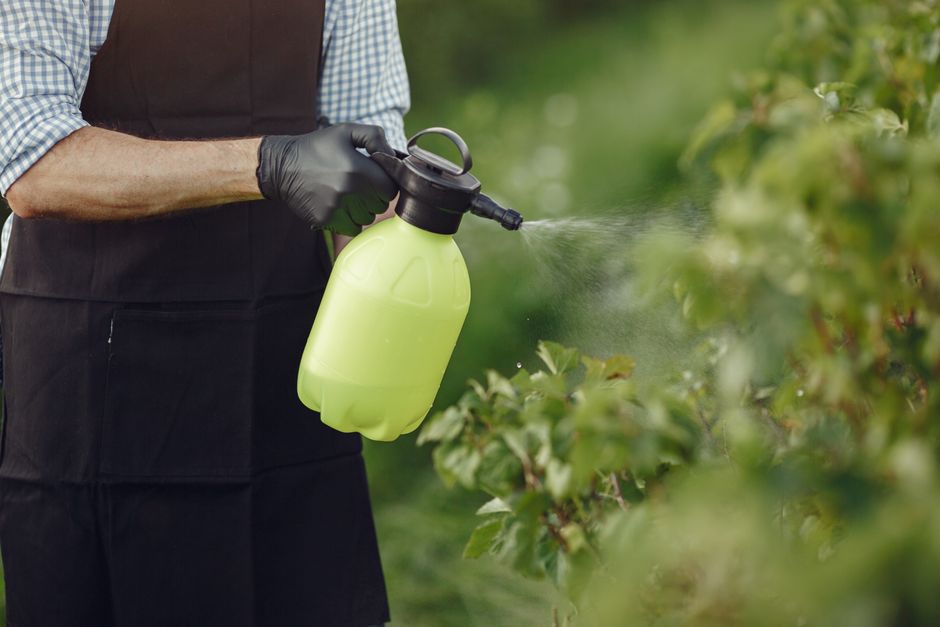
A spray made from mild dish soap and water kills many common office pests. Mix about one teaspoon of dish soap into a spray bottle of water, spray the affected leaves, and rinse the plant after a few hours. The soap disrupts pests without harming your plant or you.
Neem oil, an organic extract from the neem tree, addresses tougher infestations. It’s safe for indoor use, breaks down quickly, and doesn’t leave toxic residues. Follow the label directions for mixing and application.
For fungal issues, isolate the affected plant immediately and improve air circulation. Remove diseased leaves. Most indoor fungal problems solve themselves once you reduce humidity and increase airflow around the plant.
These methods work because they target the actual problem rather than being a blanket chemical assault. They’re slower than heavy pesticides but more effective long-term because they don’t disrupt the plant’s natural defenses.
Keep Your Office Environment Clean
Pests love dusty, cluttered spaces. Keep your office plant area tidy.
Remove dead leaves, fallen foliage, and pruned stems promptly. These decaying bits are pest magnets. Wipe down plant containers and saucers regularly so dust doesn’t accumulate. Sweep or vacuum around your plant area to remove any organic debris on the floor.
Clean windows and skylights so light can reach your plants properly. Better light means healthier plants, which again brings you back to the fundamental rule: healthy plants resist problems.
Prune Strategically
Regular pruning keeps plants compact, removes weak or damaged growth that pests target, and improves air circulation through the foliage.
Remove any yellow, spotted, or diseased leaves immediately. Cut back leggy growth to encourage bushier development. Open up the center of the plant so air can flow through.
Pruning is preventive medicine. You’re removing problem areas before they become entry points for pests or disease.
Fertilize to Build Plant Strength

A well-fed plant is a strong plant. Weak, undernourished plants attract pests and struggle to recover from damage.
Use a balanced, organic fertilizer during the growing season (spring and summer). Follow package directions—more is never better. Overfertilizing actually stresses plants and makes them vulnerable.
In fall and winter, most office plants slow their growth naturally. Reduce or skip fertilizing during these months. You’re working with your plant’s natural rhythm, not fighting it.
If you’d rather focus on your actual work and let professionals handle plant nutrition and ongoing care, Nature Indoors offers maintenance services designed around pesticide-free, wellness-focused plant care.
Control Humidity Thoughtfully
Many common office pests thrive in high humidity. Spider mites, by contrast, hate moisture. Most fungal problems escalate in stagnant, humid air.
Your office’s air conditioning naturally keeps humidity lower than outdoor environments, which is actually an advantage. But if you’re grouping multiple plants together, be mindful of creating a humid microclimate.
A small humidifier near your plant zone is fine if your plants need it—tropical varieties sometimes do. But avoid creating a warm, damp pocket where moisture lingers. If leaves feel constantly wet or the soil never dries out, you’re creating a problem. Increase airflow by opening a nearby window or positioning a gentle fan nearby.
Quarantine New Plants
Every time you bring a new plant into your office, give it a week or two in isolation before placing it near existing plants. Check it carefully for signs of pests or disease.
Most problems are caught this way before they spread to your entire collection. It’s a simple, powerful practice that prevents almost all cross-contamination.
Know When to Remove and Replace
Sometimes a plant is too far gone to save, and the healthiest choice is to remove it and start fresh.
If a plant is severely infested, heavily diseased, or just not thriving despite your best efforts, don’t waste energy fighting it. Dispose of it responsibly, clean the pot and saucer thoroughly, and bring in a new plant better suited to your space.
This isn’t failure. It’s being strategic about where you invest your care and attention. One thriving plant beats three struggling ones every time.
Build a Maintenance Routine You’ll Actually Follow
All of this works only if you actually do it consistently. That means building a routine that fits your life.
Pick a day each week for monitoring. Make it part of your office ritual, like checking email on Monday morning. Spend two minutes looking at your plants. Check soil moisture. Scan for problems. That’s it.
Watering happens as needed based on that touch test. Pruning and cleaning happen when you notice something needs it, plus a light tidy every few weeks. Fertilizing happens seasonally, following the package directions.
Keep it simple and realistic. A consistent, gentle routine beats sporadic heroic efforts.
What’s the difference between IPM and just using pesticides?
IPM focuses on preventing problems and responding early with the gentlest method first. Pesticides are a reactive treatment applied after problems develop. IPM keeps your office healthier, your air cleaner, and your plants stronger over time. It takes a bit more intentionality but delivers better long-term results.
Can I use the same watering schedule for all my office plants?
No. Different plants have different needs, and factors like pot size, soil type, and location in your office affect how quickly soil dries. Always check individual plants by feeling the soil. What needs water today might not need it for another week. Adjust based on what your plant actually tells you, not a rigid schedule.
How often should I check my plants for pests?
Once a week is ideal—just a couple of minutes looking at each plant and flipping leaves over. Early detection is everything. If you catch a problem when it’s just a few insects, it’s manageable. If you wait until there’s a full infestation, you’re in for a harder time. Weekly checks prevent that escalation.
Are organic pest control methods as fast as chemical pesticides?
They’re often slower but actually more effective long-term because they work with your plant’s natural defenses rather than against them. Chemical pesticides might kill faster initially, but they also weaken your plant and create dependency. Organic methods build lasting resilience. Plus, you keep your office air clean and safe to breathe every single day.