If you work in an Austin office and want to bring in plants without creating extra environmental hassle, you’re not alone. Eco-friendly office plant care is becoming the default for companies that care about their team’s well-being and their carbon footprint. The good news? It’s simpler than you think.
Green plants in your workspace boost focus, reduce stress, and actually make you happier at work. A study published by the National Center for Biotechnology Information found that indoor plants improve air quality and employee productivity simultaneously. Austin’s warm, dry climate means you need a slightly different approach than other cities, but that’s where local expertise comes in. Nature Indoors specializes in designing plant installations tailored to Austin’s specific environment and your office aesthetic.
Related: Indoor Plant Design Services Austin: A Local Guide
Related: Plant Care Service for Apartment Complexes: A Complete Guide
Related: Residential Plant Design Consultation Austin: Complete Guide
Related: Plant Maintenance Service Near Me Austin: Your Local Guide
Start With the Right Lighting Setup
Light is everything. Most Austin offices have windows, but not every desk sits near one. Here’s what you need to know.
Related: Plant Maintenance for Austin Office Buildings: A Complete Guide
Related: Succulent Plant Arrangements for Office Desks: A Guide
Related: How to Keep Office Plants Alive in Austin: Complete Guide
Related: Plant Care Without Chemicals for Homes: A Complete Guide
Related: Indoor Plant Installation for Austin Businesses: A Complete Guide
Plants thrive in bright, indirect light. That means they want light from a window without direct afternoon sun beating down on them for hours. If your desk is against a north-facing window, you’re golden. East or west-facing? You’ll need to position plants a few feet back from the glass, or use a sheer curtain to filter the intensity.
No window nearby? Don’t bail on the green dream yet. Low-light tolerant plants like pothos, snake plants, and ZZ plants handle fluorescent office lighting just fine. They’re not thrilled about it, but they’ll survive and still give you those wellness benefits.
Pro tip: rotate your plants every two weeks if they’re in artificial light. It helps them grow more evenly instead of leaning toward whatever light source they can find.
Master the Watering Rhythm for Austin’s Climate
This is where most people kill their office plants. Overwatering in Austin is a real trap because our air is dry, so people assume plants always need water. Wrong.
The rule is simple: keep soil moist but not soggy. Stick your finger about an inch into the soil. If it feels dry, water. If it feels damp, wait. Most office plants need watering once a week in spring and summer, and every 10-14 days in fall and winter when growth slows down.
Here’s the eco-friendly part: use collected rainwater or filtered tap water instead of bottled water. Fill a container and let it sit for 24 hours before watering (this lets chlorine evaporate). If you’re managing multiple plants across an office, schedule watering on the same day each week so you don’t forget.
Drainage is non-negotiable. Your pot must have a hole in the bottom. If water sits in a saucer, empty it after 15 minutes. Root rot is a plant killer, and it happens fast in humid conditions.
Choose Plants Built for Austin Offices
Not all plants are created equal, especially for office environments. You want something tough, forgiving, and still beautiful enough to justify desk real estate.
Try these Austin office favorites:
- Pothos (Devil’s Ivy) – Nearly impossible to kill, grows in low light, and cleans the air. Perfect for offices with limited sun.
- Snake Plant (Sansevieria) – Super low maintenance, looks sleek, and tolerates neglect like a champ.
- Monstera – Bigger plant energy. Needs bright, indirect light but rewards you with those gorgeous split leaves. Makes a statement.
- Philodendron – Similar vibes to pothos but slightly larger leaves. Equally forgiving.
- ZZ Plant – Shiny leaves, architectural look, thrives in fluorescent light, and needs watering only monthly.
- Peace Lily – Actually tells you when it’s thirsty by drooping. Great conversation starter.
Skip temperamental plants like orchids or fiddle leaf figs for your office unless you’re genuinely obsessed. Save your energy for things that actually want to live on your desk.
Set Up Sustainable Pest Management

Office plants can attract bugs if you’re not intentional. The eco-friendly approach beats chemical sprays every time.
Check your plants weekly for signs of pests: yellowing leaves, sticky residue, tiny webs, or spots. If you catch issues early, they’re easy to fix.
Your first move? Wipe leaves with a damp cloth. Seriously, this solves most problems. For stubborn infestations, mix a few drops of dish soap with water and spray lightly. Neem oil is another great organic option that disrupts pest life cycles without toxins.
Prevention is better than cure. Keep your office clean and avoid overwatering (wet soil attracts bugs). If you have multiple plants, isolate any infected ones immediately so issues don’t spread across your workspace.
Partner With Local Austin Plant Experts
Honestly? The easiest path is outsourcing to people who actually know Austin’s specific climate and office dynamics. Nature Indoors handles everything from selecting the right plants for your light conditions to setting up ongoing maintenance so you never have to think about it again.
Related: Commercial Plant Maintenance in Austin, Texas: A Complete Guide
Related: Sustainable Plant Care for Offices in Austin, Texas
A professional plant care team will:
- Assess your office lighting and design a custom plant layout
- Handle watering and fertilizing on a predictable schedule
- Monitor for pests and treat issues before they become problems
- Replace plants that aren’t thriving (no guilt, no waste)
- Adjust seasonal care as Austin’s weather shifts
This approach is actually more eco-friendly than DIY because pros prevent waste. Dead plants don’t help anyone. Plus, they’ll source plants responsibly and use sustainable practices from day one.
Fertilizing the Right Way
Office plants don’t need constant feeding. Once a month during growing season (spring and summer) is plenty. Use a balanced, organic fertilizer diluted to half strength.
Why half strength? Because office plants aren’t growing in ideal outdoor conditions. They’re inside, with artificial light, stable temperatures, and less nutrient cycling. Overfeeding causes salt buildup in soil and burns roots.
In fall and winter, skip fertilizer entirely. Plants naturally slow down, and they don’t need the extra boost.
Make Plant Care Part of Your Office Culture
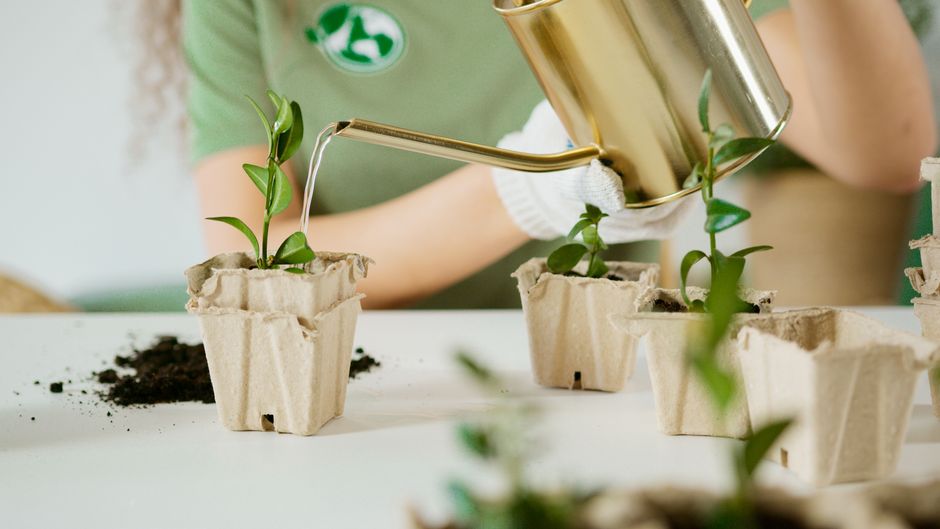
If you’re in a team office or corporate space, make plant care communal. Assign a “plant buddy” for the week who handles watering. Rotate the role. This spreads responsibility and builds connection to the space.
People actually take better care of things they feel ownership over. Plus, it’s weirdly bonding. Nothing says “we work well together” like collectively keeping something alive.
When you’re ready to scale beyond one desk plant and create a real office ecosystem, that’s when Nature Indoors becomes invaluable. They’ll transform your whole office into a green, productive space without the daily management burden.
Frequently Asked Questions
How often should I water office plants in Austin?
Once a week spring through summer, every 10-14 days in fall and winter. Check soil moisture first—if it’s damp, wait a few days. Austin’s dry air means plants dry out faster, but overwatering is still the number one killer. Always err on the side of less water.
What’s the best low-light office plant for Austin?
ZZ plants and pothos are your best friends. They genuinely thrive under fluorescent office lights and need minimal care. Snake plants are equally tough if you want something with more visual impact. All three tolerate irregular watering and dry indoor air.
Can I use tap water for my office plants?
Yes, but let it sit for 24 hours first so chlorine evaporates. Rainwater is better if you can collect it—totally free and chemical-free. If you have a filter pitcher, filtered water works great too. The key is avoiding softened water (high in salt) which damages roots over time.
How do I know if my office plant needs repotting?
If roots are poking out the drainage hole or water runs straight through without absorbing, it’s time. Spring is the best repotting window. Size up only one pot size (like from 6-inch to 8-inch). Use fresh, well-draining potting soil. If your plant is thriving and you want to keep it contained, you can just refresh the top inch or two of soil instead of repotting the whole thing.