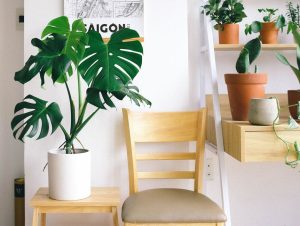

Plant maintenance for Austin office buildings is completely different from keeping plants at home. Your office has fluorescent lights, inconsistent temperatures, and foot traffic. Your plants need a specific strategy to survive—let alone thrive.
Here’s the honest truth: most office plants die within six months because nobody has a clear maintenance plan. But if you know what to do (and when to do it), you can keep your workspace green, healthy, and actually beautiful.
Why Austin Office Plants Need Special Care
Austin’s climate is intense. Summer temperatures hit 95+ degrees regularly, and the air gets dry fast. Even though your office has AC, the indoor environment creates its own challenges that are different from what plants experience outside.
Related: Indoor Plant Installation for Austin Businesses: A Complete Guide
Related: Commercial Plant Maintenance in Austin, Texas: A Complete Guide
Related: Biophilic Office Design Austin Texas: A Complete Guide
Related: Eco-Friendly Office Plant Care in Austin: A Complete Guide
Indoor office spaces typically have limited natural light, especially if you’re away from windows. Fluorescent overhead lights don’t provide the same spectrum plants need to photosynthesize efficiently. And here’s the thing most people miss: office air can be stagnant. Your plant isn’t getting the gentle air circulation it would outside.
That’s why Nature Indoors always starts with a site assessment before recommending any plant. The first step isn’t picking a pretty plant—it’s understanding your specific space and matching plants to the actual conditions you have.
The Weekly Maintenance Routine for Office Plants
You don’t need to do much, but you do need to do it consistently. Think of it like brushing your teeth—it only takes a few minutes, but skipping it creates problems.
Check your soil moisture every week. Stick your finger about an inch into the soil. If it feels dry, water. If it’s still moist, wait a few days. Austin’s dry air means container soil dries faster than you’d think, especially in summer.
Rotate your plant a quarter turn. This sounds small, but it’s huge. One side of your plant always faces the light source, so that side grows faster and looks fuller. A quarter turn every week keeps growth even and prevents your plant from leaning toward the window like it’s desperate to escape.
Do a visual pest scan. Spend 30 seconds looking at the tops and bottoms of leaves. Spider mites, mealybugs, and scale insects love office plants because the environment is usually warm and dry. Catching them early means you can handle them before they become a problem. If you spot anything suspicious, isolate the plant and spray the affected leaves with water or a mild neem oil solution.
Wipe down large leaves. Office dust is real. It builds up on leaves and blocks light. Use a soft, damp cloth and gently wipe each leaf. This takes five minutes and makes a visible difference in how your plant looks and how well it can photosynthesize.
Monthly Deep Maintenance Tasks
Once a month, spend a little more time on deeper care. This is when you catch issues before they become expensive problems.
Prune dead or yellowing leaves. If a leaf is completely yellow or brown, remove it. Don’t wait. Dead leaves won’t come back, and they use energy your plant could be putting toward new growth. Use clean scissors or pruning shears, and make the cut close to the stem.
Check drainage holes. Make sure water can drain freely from the bottom of your pot. If drainage is clogged, water sits and roots rot. This is especially important in Austin’s humidity—root rot is one of the top killers of indoor office plants.
Assess your light situation again. Office lighting changes seasonally. In winter, the sun angle is lower and your plant might get more light. In summer, the sun is higher and office buildings can create more shade. Adjust your plant’s position if needed. If a plant that was thriving three months ago is suddenly looking pale or stretching toward the light, it’s telling you it needs more light.
Feed your plant. Office plants in containers don’t have access to natural soil nutrients like outdoor plants do. Once a month during the growing season (spring and summer), give your plant a balanced, diluted liquid fertilizer. In fall and winter, plants slow down their growth, so you can skip feeding or cut back to once every six weeks.
Seasonal Adjustments for Austin’s Climate

Austin has four distinct seasons, and your plant care should shift with them.
Spring (March-May): This is growing season. Plants wake up after winter. Water more frequently because growth requires more moisture. Increase feeding to every two weeks. This is also the best time to repot plants that have outgrown their containers.
Summer (June-August): Heat ramps up. Even inside, plants experience temperature stress. Water more often because evaporation increases, but be careful not to overwater—the soil dries on the surface quickly but can still be moist deeper down. Check soil moisture before watering, always. Move plants away from direct AC vents if possible; cold air blowing directly on a plant stresses it.
Fall (September-November): Growth slows down. Water less frequently. Reduce feeding. This is a good time to clean your office plant collection—remove any plants that aren’t working and replace them or move them to better locations.
Winter (December-February): Most plants are dormant or growing very slowly. Water less. Don’t feed (or feed very lightly). Humidity drops in Austin winters, so watch for dry leaf tips. You can mist plants lightly with water to increase humidity if needed. This is NOT the time to repot or prune aggressively.
Signs Your Plant is Struggling (And What to Do)
Yellowing leaves: Usually a sign of overwatering or poor drainage. Check your soil. If it’s soggy, let it dry out. If it’s dry, yellowing might mean nutrient deficiency—try fertilizing.
Brown leaf tips: Often caused by low humidity or inconsistent watering. Mist the plant and make sure you’re on a regular watering schedule. In Austin’s dry air, this is super common.
Pale, weak growth: Your plant isn’t getting enough light. Move it closer to a window or consider supplementing with a grow light. This is one of the most common problems in office environments.
Pest infestation: You see webs, sticky residue, or tiny insects. Isolate the plant immediately. Spray affected areas with water or insecticidal soap. Check nearby plants because pests spread fast in offices.
Drooping leaves even after watering: Could be root rot from poor drainage or it could be underwatering. Gently remove the plant from its pot and check the roots. Healthy roots are white or light colored. Brown, mushy roots mean rot—you’ll need to repot into fresh soil or replace the plant.
When to Bring in a Professional
Not every office has the time or expertise to maintain plants consistently. That’s completely okay. Professional plant maintenance services take all of this off your plate. They handle weekly watering and inspection, monthly deep maintenance, pest prevention, and plant replacement if something dies.
Think of it like outsourcing payroll. You could do it yourself, but you’d rather have an expert handle it so you can focus on your actual job. The same applies to plant care in larger offices.
A professional will also design your plant layout from the start based on your space’s specific lighting, temperature, and humidity conditions. They’ll choose plants that actually work in your office instead of guessing. And if a plant isn’t thriving after a few months, they replace it without you having to troubleshoot.
For Austin offices specifically, local expertise matters. An Austin-based service understands the local climate and humidity challenges. They know which plants thrive in Texas summers and which ones struggle.
Building a Maintenance System You’ll Actually Stick With

The best maintenance plan is one you’ll follow. So keep it simple.
Set phone reminders. One reminder for your weekly routine (Monday morning works for many people). One reminder for your monthly deep maintenance (the first of the month is easy to remember).
Keep supplies accessible. Put a spray bottle, soft cloth, and scissors somewhere visible near your plants. If you have to hunt for supplies every time, you’ll skip maintenance.
Document what you’re doing. Take a photo of each plant when you bring it in. Write down the date. Then take photos monthly. You’ll quickly see which plants are thriving and which ones need help. This also helps if you ever hire someone professional to take over—they’ll have a clear history of the plant’s condition.
Start small. If you’re new to office plants, don’t fill your space with 20 plants on day one. Start with 3-5 low-maintenance plants. Once you have a rhythm with those, add more if you want.
Know when to quit. If a plant is consistently dying despite your best efforts, it’s probably not suited to your space. Replace it with something that works better. There’s no shame in this—it’s just good design.
Popular Low-Maintenance Plants for Austin Offices
If you’re starting from scratch, these plants handle typical Austin office conditions well:
- Pothos (Devil’s Ivy): Tolerates low light and inconsistent watering. Grows like crazy if you give it anything to climb. Nearly impossible to kill.
- Snake Plant (Sansevieria): Thrives on neglect. Can go weeks without water. Handles low light. Architectural look that fits modern offices.
- ZZ Plant: Glossy leaves, compact growth. Tolerates low light and irregular watering. Looks professional and polished.
- Dracaena (various types): Come in different sizes and colors. Most varieties handle low-to-medium light. Clean air quality rating is a bonus.
- Philodendron: Similar to Pothos but with slightly different leaf shapes. Low maintenance, adapts to various light conditions.
- Peace Lily: Blooms indoors with white flowers. Medium light requirements. Tells you when it’s thirsty by drooping (and perks back up when watered).
These aren’t the only options, but they’re reliable starting points for offices where you might not have perfect light or perfect watering consistency.
The Bottom Line on Plant Maintenance for Austin Offices
Keeping office plants alive in Austin comes down to four things: matching plants to your actual light conditions, watering based on soil moisture (not a schedule), rotating leaves for even growth, and doing basic monthly maintenance. Do those consistently and your plants will thrive.
If you want to skip the learning curve and have someone handle it professionally, that’s what services like Nature Indoors are built for. Either way, the investment in office greenery pays off. Plants reduce stress, improve air quality, and make your workspace feel more intentional and alive. That’s worth maintaining them properly.
How often should I water plants in an Austin office?
Check soil moisture with your finger every week. Water when the top inch of soil feels dry. In summer you might water twice a week; in winter maybe once every 10 days. Avoid watering on a fixed schedule—Austin’s dry air and office AC make soil dry at different rates depending on the season and your specific location in the building.
What’s the best light for office plants in Austin?
Bright, indirect light is ideal. A window a few feet away is perfect. If you only have fluorescent overhead lights, choose shade-tolerant plants like Pothos, Snake Plant, or ZZ Plant. If you have window light but it’s intense afternoon sun (south or west-facing), use sheer curtains to filter it. Direct sun through office windows can actually scorch sensitive plants.
How do I know if my office plant has pests?
Check the undersides of leaves weekly. Look for tiny insects, webbing, sticky residue (honeydew), or white cottony clusters (mealybugs). If you spot anything, isolate the plant away from other plants immediately. Spray affected areas with water or insecticidal soap. Check the plant again in 3-5 days and repeat treatment if needed. Regular pest checks catch infestations before they spread to your whole office.
Can office plants survive in rooms with no windows?
Yes, but only certain plants. Snake Plant, ZZ Plant, and Pothos tolerate low light better than most. However, no plant thrives in complete darkness. If your office has zero windows, consider a small grow light—even a basic LED light a few inches above your plant makes a huge difference. Alternatively, rotate plants: keep them in your office for 2-3 weeks, then move them home or to a windowed space for a week to recover under better light.