
If you’re keeping plants in your office, you probably want them to look good without creating extra waste or hassle. The good news: eco-friendly plant care isn’t complicated, and it actually makes your plants healthier.
Here’s the honest truth: most office plant problems come from overwatering and poor placement. Fix those two things, and you’re already ahead. Add a few smart habits, and you’ll have plants that thrive while using way less water, energy, and resources.
This guide walks you through practical, sustainable plant care strategies that work in real office spaces. Whether you have one desk plant or an entire lobby, these tips will help you grow green without the guilt.
Check Soil Before You Water
This is the single most important eco-friendly habit you can build. Most office plants die from too much water, not too little.
Before you water, stick your finger about an inch into the soil. If it feels dry, water. If it’s still moist, wait another day or two. This simple test prevents waste and keeps roots healthy.
Why does it matter? Overwatering wastes water, increases risk of root rot, and forces you to replace plants more often. You’re basically compounding the environmental cost.
Pro tip: Use a consistent watering schedule but always adjust based on what the soil actually feels like. Office humidity, season, and even the type of pot affect how fast soil dries out.
Adjust Your Watering for Winter
Plants need way less water when temperatures drop and daylight shrinks. In winter, many office plants enter a slower growth phase. They’re not thirsty the way they are in spring and summer.
During colder months, test your soil more often but water less frequently. You might go from watering once a week to once every two weeks or more, depending on your plant and office conditions.
This seasonal shift is one of the easiest ways to reduce water waste while keeping plants alive. It also means lower humidity and less risk of fungal issues in your office space.
Position Plants in Bright, Indirect Light
Direct sunlight through office windows can actually stress plants and cause leaves to bleach or burn. The solution is bright, indirect light, which is what most office plants prefer anyway.
Position your plants a few feet away from windows or on shelves where they get filtered light. If your office doesn’t have great natural light, that’s okay—it just means you’ll need to pick low-light tolerant species like pothos or snake plants.
Avoid the urge to move plants around constantly chasing the sun. Consistency matters more than perfection. A plant in steady, medium light will outperform one that gets moved every few days.
Ensure Proper Drainage in Every Pot
Drainage holes aren’t optional. They’re the difference between a plant that lives and one that rots.
Every pot should have at least one hole at the bottom. Water should flow through freely. If water sits on top of the soil or takes forever to drain, your pot doesn’t have enough drainage.
Good drainage means:
- Water moves through soil quickly
- Roots get oxygen
- You don’t accidentally drown plants by watering normally
- You use less water overall because less gets wasted sitting in stagnant soil
If your office pot doesn’t have drainage, it’s worth repotting into one that does. It’s a one-time effort that prevents constant plant replacement.
Clean Leaves Regularly
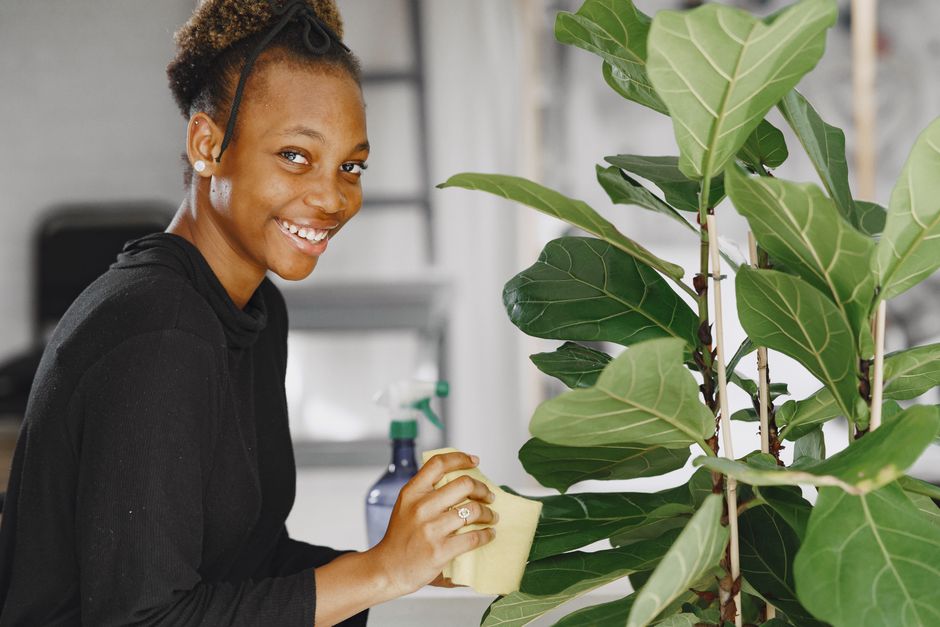
Dust on leaves blocks photosynthesis and makes plants work harder. A quick wipe every few weeks is one of the most underrated plant care habits.
Use a soft, damp cloth or paper towel and gently wipe each leaf. You can do this while you’re on a call or between meetings. It takes five minutes and makes a noticeable difference in how vibrant your plants look.
Clean leaves also help you spot pests early, which prevents bigger problems down the line.
Choose Sustainable Pots and Planters
If you’re buying new pots for your office plants, material matters. Look for options made from recycled plastic, clay, or ceramic rather than new plastic.
Sustainable pots last longer, they’re often better for plant health (breathable materials help soil dry appropriately), and they align with your eco-friendly values.
Don’t overthink this though. A simple clay pot with drainage is better than a fancy plastic one without it. Function first, then aesthetics.
Lean on Natural Light First
If your office gets decent natural light, use it. It’s free, it’s energy-efficient, and plants respond to it better than artificial light.
Only add supplemental grow lights if your office is genuinely dark—like interior offices with no windows. When you do use grow lights, choose energy-efficient LED options that run cool and use minimal electricity.
LED grow lights cost more upfront but they last longer and use about 75% less energy than older fluorescent options. Over time, they pay for themselves in lower electricity bills.
Pick Hardy, Low-Maintenance Plants
Your plant choice is the foundation of sustainable office plant care. Choose species that are naturally suited to office conditions, not plants that fight their environment constantly.
Plants like pothos, philodendrons, ZZ plants, and snake plants are office heroes. They tolerate varied light, they’re forgiving about watering, and they don’t require special nutrients or constant fussing.
Picking the right plant from day one means less water, less fertilizer, less replacement, and less stress for you.
Use Organic Fertilizers Sparingly

Office plants don’t need much fertilizer. Once they’re established, most plants do fine with minimal feeding, especially in winter when growth slows.
When you do fertilize, use organic options like fish emulsion, compost tea, or balanced organic fertilizers. Avoid synthetic chemical fertilizers, which contaminate water and soil ecosystems.
Better yet: refresh the top layer of soil with compost once a year. This adds nutrients naturally without the waste of fertilizer bottles.
Practice Integrated Pest Management
If pests show up (and they sometimes do in office plants), handle them with eco-friendly methods first.
Start with the gentlest option: isolation and manual removal. Quarantine an infested plant away from others, and wipe pests off with a damp cloth. For persistent issues, try organic neem oil spray or insecticidal soap.
Avoid synthetic pesticides. They’re toxic to the people in your office and they’re overkill for most plant pest problems.
Match Plants to Your Specific Office Space
The most sustainable plant is one that’s actually suited to where you’re putting it. A plant that struggles in low light will need constant replacement. A plant suited to that space will thrive.
Before bringing a plant into your office, assess:
- How much natural light does the space actually get?
- What’s the temperature range (offices can be cold near AC vents)?
- How humid or dry is the air?
- How much time can you realistically spend on plant care?
If you’re unsure about your office’s light or conditions, Nature Indoors can help assess your space and recommend plants that’ll actually work for your specific environment.
Focus on Soil Quality
Good soil is the foundation of everything. Quality soil holds moisture appropriately, provides aeration, and contains the nutrients plants need.
Use a potting mix designed for indoor plants, not garden soil. Good indoor potting mixes drain well while retaining enough moisture to feed roots between waterings.
When you refresh soil (about once a year), you’re reducing the need for added fertilizers and supporting long-term plant health. It’s a small investment that pays off.
Track Your Plant Care Over Time
This might sound excessive, but it’s actually powerful: pay attention to what works in your office. Notice which plants thrive, how often they need water in each season, and which spots in your office are actually suitable.
This knowledge lets you make smarter choices next time. You’ll pick plants that succeed, water at the right frequency, and troubleshoot problems faster because you understand your space.
It’s also how you build consistency, which is the real secret to sustainable plant care.
Get Professional Guidance if You’re Scaling Up
If you’re adding lots of plants to your office or you want a cohesive design that actually works, there’s no shame in bringing in expertise. professional plant care services can design a plant strategy that fits your office layout, lighting, and team’s availability. They’ll handle maintenance, swap out struggling plants, and make sure everything stays healthy long-term.
For most offices, even a few plants can make a real difference in air quality and wellness. But the right guidance ensures they actually survive and thrive.
Why should I care about eco-friendly plant care in an office?
Because offices are spaces where you spend a huge portion of your time. Healthy plants improve air quality, boost mood, and reduce stress. When you care for them sustainably, you’re also modeling values that matter—especially if clients or visitors see your green space. Plus, sustainable practices cost less over time. Less water waste, longer-lasting plants, fewer replacements.
What’s the easiest eco-friendly plant to keep in an office?
Pothos. It tolerates low light, forgives irregular watering, and grows steadily. It’s nearly impossible to kill, which means you won’t be constantly replacing it. That’s as eco-friendly as it gets—a plant you buy once and keep for years.
Can I use rainwater for office plants?
Yes. If you have access to collected rainwater, it’s actually ideal for plants. It’s free, it requires no processing, and plants thrive on it. For an office building, this might not be practical, but if your office has outdoor access or a rain barrel system, it’s worth considering.
How often should I fertilize office plants?
Most office plants need fertilizer only during growing season (spring and summer), about once a month. In fall and winter, skip it entirely. If your soil is good quality, you might need even less. Start with minimal fertilizing and only increase if plants show signs of nutrient deficiency (pale, weak growth). Less is almost always better.