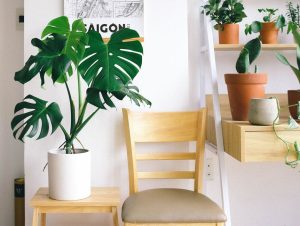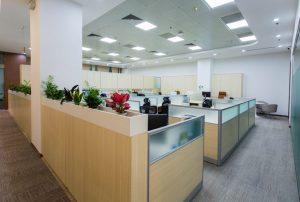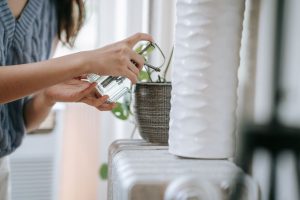

You’re swamped. Between back-to-back meetings, emails, and trying to remember what you had for lunch, the last thing on your mind is watering a plant. But here’s the thing: indoor plant care for busy professionals doesn’t have to be complicated. The right plants, paired with a smart routine, mean you can have a thriving green space without adding another task to your plate.
The secret? Stop fighting your schedule and start working with it. Choose plants that actually want to be neglected a little, group them strategically, and set one simple reminder. That’s it.
The Best Low-Maintenance Plants for Your Space
Not all plants are created equal when you’re living a busy life. Some plants basically demand daily attention. Others? They’re cool with you forgetting about them for a week or two.
The MVPs of low-maintenance indoor plants include:
Related: Indoor Plant Installation Cost Austin: What to Expect
- Snake plant – Thrives in low light, needs water every 2-3 weeks, and is nearly impossible to kill.
- ZZ plant – Glossy leaves, tolerates neglect like a champ, and grows slowly so it doesn’t need constant pruning.
- Pothos – Trailing vine that adapts to most light conditions and tells you when it’s thirsty by drooping slightly.
- Philodendron – Similar vibe to pothos but with bigger personality. Works great in low light.
- Peace lily – Forgiving with watering and actually flowers indoors. Low light approved.
- Spider plant – Bouncy, cheerful, and produces babies you can propagate (or give to friends you want to impress).
- Chinese evergreen – Colorful foliage, tolerates low light, and has minimal care requirements.
- Rubber plant – Bold statement piece that’s surprisingly chill about watering schedules.
These plants share one thing in common: they’re drought-tolerant and don’t sulk in lower light. That means your office corner, bathroom, or bedroom can work just fine.
Why Strategic Grouping Saves You Time
Here’s a pro tip that actually works: group plants by their care needs instead of scattering them around randomly.
For example, create a “humidity lovers” corner in your bathroom with pothos, snake plants, and Chinese evergreens. These plants benefit from the natural moisture in the air, and you’ll water them all at once. Same idea in your home office: keep your ZZ plant and rubber plant near each other, then check on them together once a week.
Why does this matter? Instead of mentally tracking different watering schedules for different rooms, you’re checking in on zones. It’s faster, you’re less likely to forget someone, and your plants actually thrive because they’re grouped with friends that like the same conditions.
The Watering Schedule That Actually Works
Overwatering kills more houseplants than anything else. Period. Busy professionals often swing between “I forgot my plants exist” and “I’ll water everything today to make up for it.” Both are bad news.
Instead, think of watering as a “when needed” thing, not a “same day every week” thing. Here’s how to know if your plant actually needs water:
- Stick your finger 1-2 inches into the soil. If it feels dry, water. If it feels moist, wait.
- For plants in pots with drainage holes (they should all have them), water until it drips out the bottom, then let it sit. Don’t leave the pot sitting in water.
- Most low-maintenance plants are fine with watering every 2-3 weeks. Some, like ZZ plants, can stretch to 4 weeks.
Pro move: set a phone reminder for “check plants” instead of “water plants.” That way you’re actually assessing need instead of just automatically watering. Takes 30 seconds, saves your plants from drowning.
Light: What You Actually Need to Know
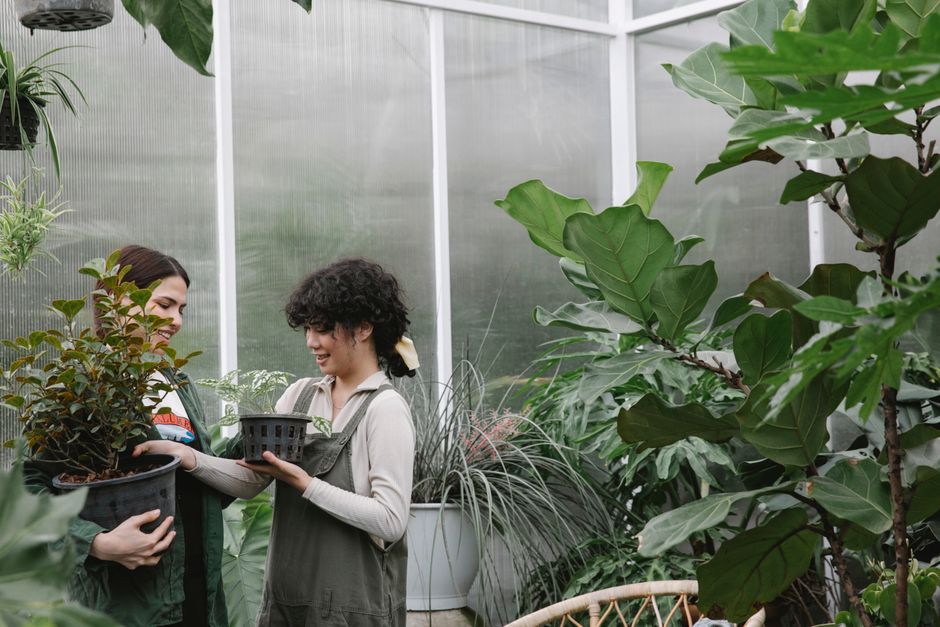
Here’s what nobody tells you: most indoor spaces are darker than you think. Your living room might feel bright, but it’s still not “grow plants outside” bright.
The good news? All the best low-maintenance plants handle low light like champs. Snake plants, peace lilies, ZZ plants, pothos, and philodendrons will do fine in an office with no windows or a bathroom with only indirect light.
You really only need to avoid putting plants in complete darkness. A corner with ambient light is totally workable. North-facing windows work. Desks near a window work even better. You’re not trying to create a jungle greenhouse here—you just need enough light so the plant can photosynthesize.
If you’re genuinely worried about light, rotate your plants every month or so. Seriously. A quarter-turn keeps them from getting weird and lopsided.
Start Small and Build From There
This is the real game-changer for busy people: don’t go overboard at the beginning.
Pick two or three low-maintenance plants and live with them for a month. Learn their patterns. Watch how they respond to your space. Then, once you’ve figured out your rhythm, add one or two more. You’ll have a much better sense of what works and how much time you actually want to spend on plant care.
Starting small also means if life gets extra hectic (hello, project deadline season), you’re not stress-managing a forest. You’ve got a manageable set of plants you actually know.
If you’re uncertain about which plants fit your specific space or want a personalized setup, Nature Indoors can help you design a custom indoor plant plan that works with your actual schedule, not against it.
Related: Indoor Greenery for Small Commercial Spaces: Design & Care
Related: Indoor Plant Design for Apartment Living: Complete Guide
Related: Indoor Plant Care for High Humidity Spaces: A Complete Guide
Related: Plant Care Service for Apartment Complexes: A Complete Guide
Related: Plant Care Without Chemicals for Homes: A Complete Guide
Related: Indoor Plant Care Without Toxic Chemicals: A Complete Guide
The One Tool That Changes Everything
You don’t need much to keep plants healthy. Honestly, the best tools are:
- A small watering can (or just use a cup—it works)
- A phone reminder
- A finger (for the soil moisture test)
That’s it. You don’t need fancy misting bottles, soil moisture meters, or grow lights if you’re choosing plants for your actual light conditions. Keep it stupidly simple.
Common Mistakes Busy People Make

You’re busy, which means you’re also pragmatic. Here’s what to avoid based on what actually derails plant parents:
- Buying too many at once – You’ll feel overwhelmed and stop caring by week three.
- Putting plants in low-light spots without checking if they can handle it – That beautiful corner looks perfect but might be too dark. Test it first.
- Watering on a schedule instead of checking soil – Your plant doesn’t care what day it is. It cares about moisture.
- Buying plants without drainage holes – This is non-negotiable. Water needs somewhere to go.
- Ignoring yellowing leaves – Usually means overwatering. Back off, let the soil dry out, and it’ll bounce back.
When to Get Professional Help
Real talk: sometimes you need backup. If your schedule is genuinely unpredictable, if you travel for work, or if you want plants but zero maintenance stress, professional plant care services exist for a reason.
A service like Nature Indoors handles watering, monitoring plant health, and rotating your greenery so you’re getting all the wellness benefits without any of the guesswork. They know Austin spaces, they understand that busy professionals need reliability, and they’ll set up your plants so they actually thrive.
Related: Indoor Plant Care Tips for Busy Professionals in Austin
Whether you’re going solo or getting support, the key is being honest about how much time you actually have. Work within that reality, not against it.
Bringing It All Together
Indoor plant care for busy professionals comes down to three things: choosing the right plants, grouping them smart, and checking on them occasionally. No complicated rituals needed. No stress required.
Pick low-maintenance plants that handle your light conditions. Group them by care requirements. Water when the soil is actually dry. Set a phone reminder so you don’t forget. That’s your baseline.
According to research from the National Institutes of Health, even low-maintenance houseplants reduce stress and improve focus, which means you’re getting real wellness benefits even if you’re only spending five minutes a week on care. Win-win.
Start with one snake plant. Add a pothos. See how it goes. You’ve got this.
How often should I water low-maintenance plants?
Every 2-3 weeks for most low-maintenance houseplants, but check the soil first. If it’s still moist, wait. Overwatering is the number one killer, so when in doubt, err on the side of drier. Your ZZ plant or snake plant can handle a longer dry spell than you’d think.
Can I keep indoor plants in an office with no windows?
Yes, as long as there’s ambient light (from other sources or skylights). Snake plants, peace lilies, ZZ plants, and pothos all handle low-light offices well. They won’t grow as fast, but they’ll stay alive and healthy. If your office is truly pitch-black, you’ll need a small grow light, but that’s pretty rare.
Related: Eco-Friendly Plant Care Tips for Offices
What’s the easiest plant for a beginner?
Snake plant. Hands down. It tolerates low light, doesn’t care if you forget to water it, and will actually let you know when something’s wrong (by looking droopy). It’s nearly impossible to kill, which is exactly what you need when you’re busy.
Should I fertilize my low-maintenance plants?
Not often. During growing season (spring and summer), a light fertilizer once a month is fine, but it’s optional. Low-maintenance plants don’t need it to survive. If you want them to grow faster or look bushier, fertilize occasionally. But your busy schedule won’t suffer if you skip it entirely.