If you live in Austin and think you need a green thumb to keep indoor plants alive, think again. The truth is, some plants actually thrive on neglect, and they’re perfect for our warm, dry climate. The best low-maintenance indoor plants for Austin homes are ones that tolerate irregular watering, adapt to variable light, and honestly don’t mind if you forget about them for a week or two.
The good news: you don’t need special skills or tons of time to bring greenery into your space. You just need to pick the right plants and understand what makes them tick in a Texas home.
Why Austin Homes Need Low-Maintenance Plants
Austin’s climate is unique. Our homes get hot, our humidity fluctuates wildly (especially between summer and winter), and if you’re working from home or juggling life, plant care often takes a backseat. Low-maintenance plants don’t just survive these conditions—they actually prefer them.
When you choose plants that match your lifestyle and your home’s environment, everyone wins. The plant stays healthy, you stay stress-free, and your space looks intentional and alive. That’s the philosophy behind what Nature Indoors recommends: match the plant to your life, not the other way around.
The Top Low-Maintenance Indoor Plants for Austin
Here are the plants that consistently perform best in Austin homes without demanding much from you:
Snake Plant (Sansevieria)
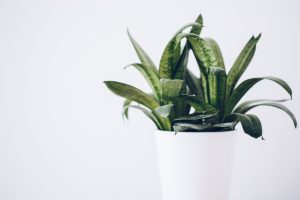
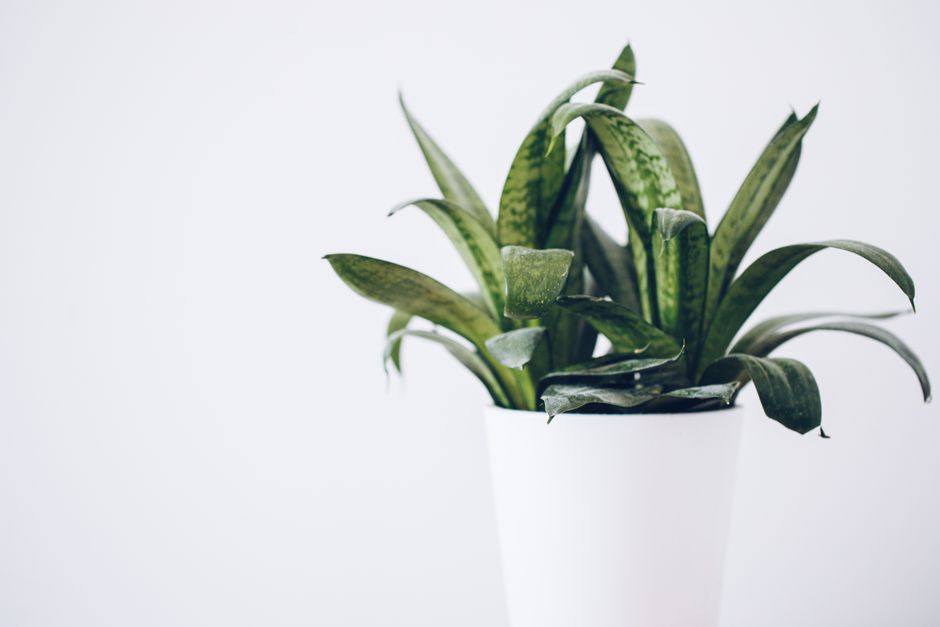
The snake plant is basically the overachiever of low-maintenance greenery. It tolerates low light, irregular watering, and honestly doesn’t care if you ignore it for weeks. It grows upright with architectural leaves, so it adds visual interest even when it’s sitting quietly in a corner.
The trick: water it every 2-3 weeks, and let it dry out completely between waterings. Overwatering kills snake plants faster than anything else. Put it near a window or in a bright room, and you’re golden.
Pothos (Devil’s Ivy)
Pothos is the plant version of a reliable friend. It trails beautifully from shelves, climbs up a moss pole, or hangs from a planter. It adapts to low light (though it prefers bright, indirect light) and forgives inconsistent watering.
Austin’s warm homes are perfect for pothos. It’s tropical and loves warmth. Water when the soil feels dry to the touch, and watch it grow. Seriously, it grows so fast you might have to trim it back.
Aloe Vera
Aloe is a succulent, which means it stores water in its leaves. This plant thrives on neglect. It wants bright light and infrequent watering—maybe once a month in winter, every 2-3 weeks in summer when it’s actively growing.
Keep aloe in a room with a south or west-facing window. It loves Austin heat. And honestly, having aloe on hand means you’ve got a natural remedy for burns and dry skin. Dual purpose greenery.
Monstera Deliciosa and Monstera Adansonii
Monsteras are Instagram-famous for a reason: they look incredible and they’re surprisingly easygoing. The big leaves make a statement, and both varieties adapt well to medium to bright indirect light. They’re more forgiving than people think.
Water when the top inch of soil is dry. They like humidity (which Austin can provide in certain seasons), but they’re not fussy. As they grow, they’ll naturally develop those iconic split leaves. If you want a plant that looks sophisticated with minimal effort, monstera is it.
Dracaena Marginata
Dracaena marginata has thin, pointed leaves with red edges—it’s a decorative plant that also happens to be tough as nails. It tolerates low light, variable humidity, and irregular watering. It grows upright and tall, which makes it perfect for filling empty corners.
Water every 10-14 days, and let it dry out between waterings. Dracaena prefers bright indirect light but won’t die in lower light conditions.
Bromeliad Vriesea Intenso Orange
If you want something with more personality and color, bromeliad brings vibrant orange-red blooms. Bromeliads are tropical and love the warmth of Austin homes. They tolerate a range of light conditions and don’t need constant watering.
Keep the central cup (the rosette shape in the middle) filled with water, and mist the leaves occasionally. It’s low-maintenance with high visual impact.
Kalanchoe Flapjack
Kalanchoe flapjack is another succulent with fleshy leaves that turn red or orange when exposed to bright light. It’s incredibly hardy and wants the same care as aloe: bright light, minimal water, and good drainage.
This plant is forgiving of neglect and thrives in Austin’s heat. It’s small enough for a desk but makes a bold statement with its color-changing leaves.
How to Set Up Your Austin Home for Plant Success
Picking the right plant is half the battle. The other half is giving it the right environment.
Light Matters
Austin homes get intense afternoon sun. South and west-facing windows can be scorching, especially in summer. Most low-maintenance plants prefer bright indirect light, which means near a window but not in direct sun all day.
If your home is on the darker side, snake plant and pothos are your friends. Both adapt to lower light. If you have bright windows, you can grow aloe, kalanchoe, and bromeliad without worry.
Watering and Drainage
This is where most plant parents stumble. Overwatering kills more plants than underwatering ever will. Low-maintenance plants generally prefer to dry out a bit between waterings.
Use pots with drainage holes. Let water drain completely after you water. And check the soil before watering—if it’s still moist, wait a few more days. During Austin’s hot summers, you might water more frequently. In winter, cut back significantly.
Humidity Considerations
Austin’s humidity varies. Summer can be humid, but our homes with AC are often dry. Most low-maintenance plants are fine with dry air, but tropical plants like monstera and pothos appreciate occasional misting during hot, dry months.
You don’t need a humidifier. Just mist the leaves with water in a spray bottle every week or two during summer, and you’re helping the plant while creating a small wellness ritual for yourself.
Putting It All Together: Your Austin Plant Plan
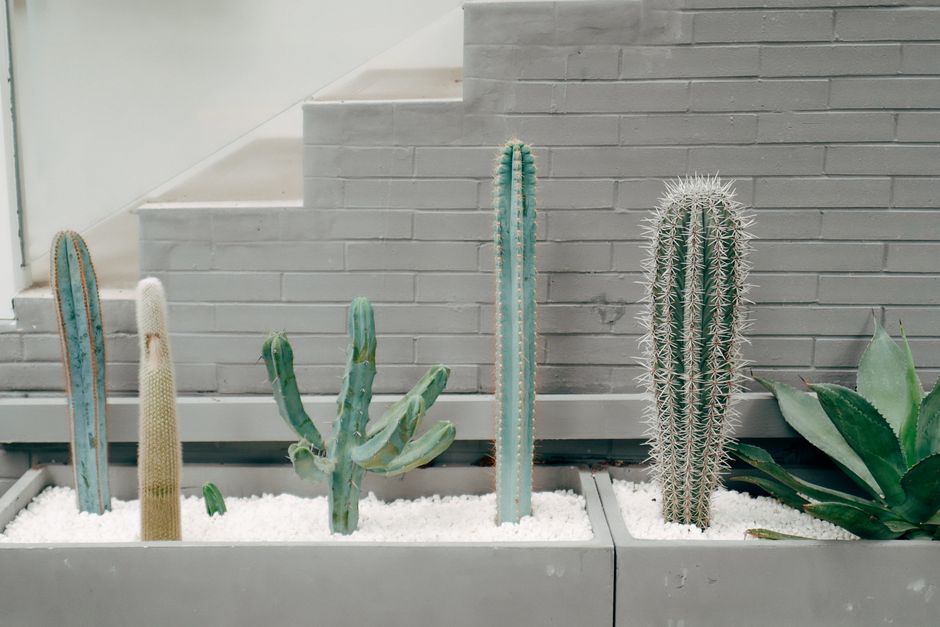
Start with one or two plants. Pick something that matches your home’s light and your schedule’s demands. If you travel a lot, go with succulents like aloe or kalanchoe. If you work from home and want something that responds to care, pothos or monstera are perfect.
Once you’ve got the basics down, you’ll develop an intuition for what your plants need. You’ll know by looking at the soil whether it’s time to water. You’ll notice if a plant is getting enough light. And honestly, that relationship with your plants becomes part of your daily rhythm.
If you want professional guidance tailored to your specific space and lifestyle, Nature Indoors offers custom plant design and maintenance services for Austin homes. Sometimes having an expert audit your space and recommend plants that match your home’s unique light and humidity makes all the difference.
Common Questions About Low-Maintenance Indoor Plants in Austin
Here’s what people usually ask when they’re getting started with indoor plants in our city.
Can tropical plants really survive Austin’s dry air?
Yes, they absolutely can. Austin homes stay warm year-round, which tropical plants love. The dry air is actually less of a problem for most low-maintenance varieties than people think. Succulents and plants like snake plant and pothos adapt easily. Plants like monstera appreciate occasional misting but don’t need constant humidity. According to research on indoor plants and air quality, most adaptable houseplants perform well in indoor climates with varying humidity levels.
How often should I water low-maintenance plants?
It depends on the plant. Succulents like aloe and kalanchoe want water every 2-3 weeks in growing season (or even less). Tropical plants like pothos and monstera want water when the top inch of soil is dry—usually every 7-10 days. Snake plant can go 2-3 weeks between waterings. The golden rule: always check the soil first. If it’s moist, wait.
Do I need grow lights for low-maintenance plants in Austin?
Not usually. Austin gets plenty of natural light, and most low-maintenance plants don’t need grow lights. If your home is very dark or you want to grow plants in interior rooms without windows, a basic LED grow light is affordable and works. But it’s not necessary for the plants we’ve mentioned—they’ll do fine with natural light from windows.
What’s the best low-maintenance plant for beginners in Austin?
Snake plant or pothos. Snake plant is nearly impossible to kill and teaches you about watering discipline (because you can’t overwater it). Pothos responds well to care without demanding perfection, so you’ll see results and feel encouraged. Both tolerate Austin’s climate beautifully, and both look great in any home.