
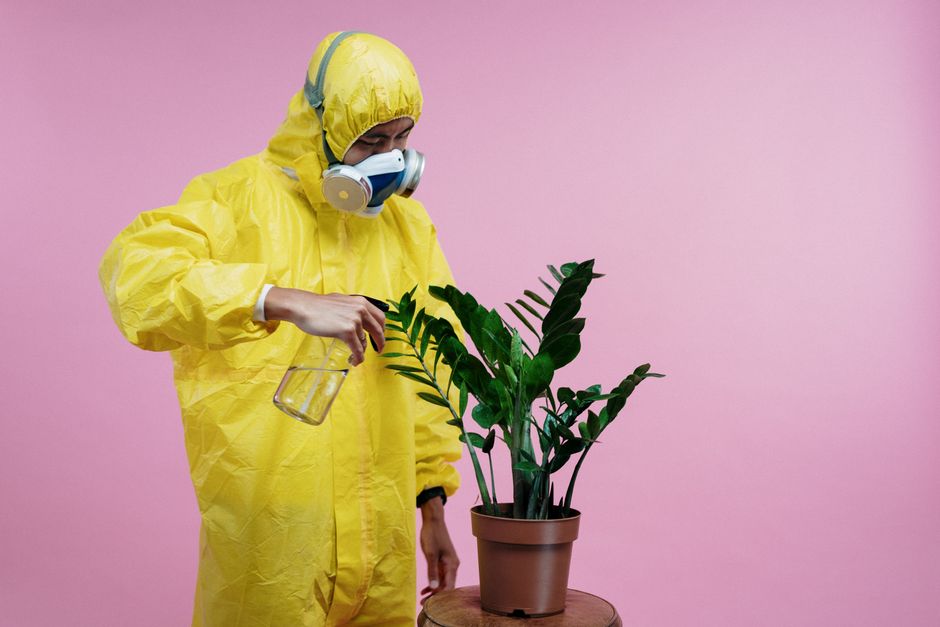
You don’t need a cabinet full of chemical sprays and synthetic fertilizers to keep your indoor plants happy and healthy. In fact, going chemical-free is often easier, cheaper, and way better for your home environment than you’d think.
If you’re worried that ditching chemicals means your plants will suffer, or that natural methods are complicated, here’s the good news: they’re not. This guide walks you through everything you need to know about chemical-free plant care for homes—from watering strategies to dealing with pests without toxic treatments.
Related: Eco-Friendly Office Plant Care in Austin: A Complete Guide
Related: Commercial Plant Maintenance in Austin, Texas: A Complete Guide
Related: Indoor Plant Installation for Austin Businesses: A Complete Guide
Start With the Right Soil and Drainage
Healthy soil is the foundation of every thriving indoor plant. When you’re choosing a potting mix, look for organic options that don’t contain synthetic fertilizers or pesticides. Most good quality potting mixes labeled as organic will work fine for your houseplants.
But soil alone isn’t enough. Drainage is equally important. If water sits in your pot, roots rot. Period. Always use pots with drainage holes at the bottom, and if you love a pot without drainage, nest it inside one that has holes. This simple setup prevents 90% of indoor plant problems without any chemicals at all.
When it comes to refreshing your soil or repotting, choose organic, chemical-free blends. Your plants will establish faster and you’ll avoid introducing any unwanted synthetic residues into your home.
Master the Art of Watering Without Chemicals
Overwatering is the #1 killer of indoor plants. The irony? It has nothing to do with chemicals. It’s pure technique.
The rule is simple: water only when the soil is dry to the touch. Stick your finger about an inch into the soil. If it feels damp, wait. If it feels dry, water thoroughly until it drains from the bottom. This isn’t rocket science, but it’s where most people mess up.
Different plants and different seasons call for different watering schedules. A snake plant in winter needs way less water than a pothos in summer. The best approach? Check your soil before watering, every single time. Skip the guessing game.
If you’re concerned about tap water quality, you can let water sit for 24 hours before using it. This allows chlorine to evaporate naturally. For plants sensitive to hard water minerals, collect rainwater in a container. It’s free, it’s natural, and plants love it.
Light Your Plants Right
This one doesn’t require any products at all—just understanding what your home offers.
Most indoor plants thrive in bright, indirect sunlight. That means light that comes through a window but isn’t burning the leaves with direct afternoon rays. If your plant is looking pale or stretching toward the window, it needs more light. If the leaves are scorched or fading, it’s getting too much.
The beauty of proper lighting? It naturally strengthens your plant and makes it less prone to pests and disease. A well-lit plant is a resilient plant. Move your plants around until you find their sweet spot, and watch them respond. No chemicals needed.
Clean Your Plants the Natural Way
Dust and grime accumulate on leaves over time, blocking sunlight and making plants more vulnerable to pests. Instead of chemical leaf-shine products, try this genius method: place your plant in the shower with the exhaust fan running.
Let the warm water spray gently rinse off dust and debris. The exhaust fan keeps humidity controlled, and you avoid any harsh manual rubbing that can damage tender leaves. It takes 10 minutes, costs nothing, and your plant gets genuinely clean—not just coated with waxy chemicals.
For tougher spots, use a soft cloth with a tiny bit of distilled water. That’s it. Your plant will look cleaner and healthier without any chemical residue left behind.
Organic Fertilizers Keep Plants Thriving
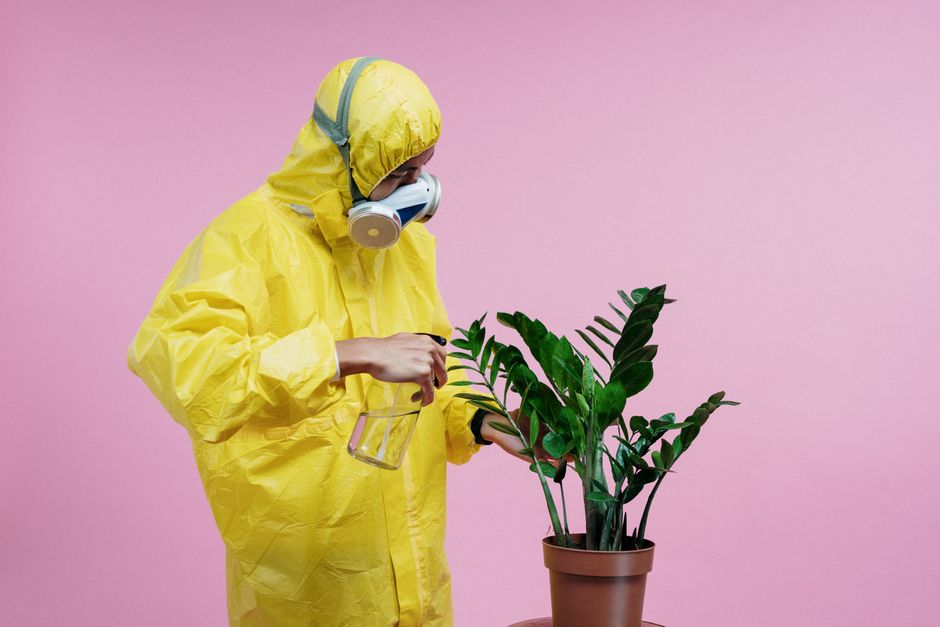
Plants do need nutrients, but those nutrients don’t have to come from synthetic chemicals. Organic fertilizers feed your plants in a way that mimics nature.
Water-based organic fertilizers work fast because they dissolve readily in the soil and get absorbed by roots quickly. Slow-release organic fertilizers break down gradually over weeks or months, feeding your plants steadily without the risk of burning roots.
You can also make your own natural fertilizers at home. Diluted vegetable scraps or kitchen compost in water creates a simple nutrient boost. Crushed eggshells add calcium. Coffee grounds provide nitrogen. These methods take a little more effort, but if you’re already cooking and composting, you’re not adding any extra work to your life.
When you’re ready to fertilize, always follow a “less is more” approach. Overfertilizing damages plants, whether you’re using chemicals or not. During growing seasons (spring and summer), feed every 2-4 weeks. In fall and winter, slow way down or stop entirely. Your plant’s natural growth cycle tells you what it needs.
Integrated Pest Management: Stop Bugs Without Toxins
Finding pests on your indoor plants is stressful, but chemical pesticides aren’t your only answer. Integrated pest management (IPM) is a proven approach that works without harsh treatments.
Start with prevention: isolate new plants for a week or two before bringing them near your other houseplants. Check leaves regularly for tiny bugs or sticky residue. Keep plants healthy with proper light, water, and air circulation. A strong plant fights off pests better than a weak one.
If you spot pests, act fast but gently. Remove affected leaves. Spray affected areas with a mix of water and a tiny drop of dish soap. Repeat every few days if needed. For persistent problems, neem oil or insecticidal soap (both derived from plants) are gentler than synthetic chemicals and often more effective because pests haven’t built up resistance to them.
Spider mites, mealybugs, and scale insects are common indoors. Each responds well to the spray-and-repeat method. The key is consistency. Check often, catch problems early, and you’ll rarely need anything stronger than soapy water.
Build Biodiversity Into Your Indoor Garden
Having multiple types of plants in your home isn’t just prettier—it’s smarter pest management. Different plants attract different beneficial insects and create a more balanced ecosystem.
When you have variety, natural predators of common pests show up on their own. It’s nature’s way of staying balanced. Plus, a diverse collection of plants means if one has a problem, the others won’t automatically catch it. You’ve built in resilience.
Mix trailing plants, upright plants, and plants with different leaf textures. You’ll get better air circulation, more visual interest, and a naturally healthier indoor garden. Nature Indoors specializes in designing custom plant arrangements that thrive in your specific home environment, creating balanced combinations that naturally support each other.
Tailor Plant Selection to Your Home
The absolute best way to avoid problems is to choose plants that actually fit your home. If you have low light, don’t force a plant that needs bright sun. If your humidity is dry, skip the tropical plants and go for succulents and snake plants instead.
When plants are matched to their environment, they need less intervention, fewer treatments, and fewer chemicals by default. A pothos thriving in your dim bedroom needs almost no fussing. A sun-loving plant struggling in that same spot will attract pests and disease.
Before you bring home a plant, ask yourself: What light does this space actually get? How humid is my home? How warm or cool does it stay? Choose plants that match those conditions, and you’ve solved half your problems already.
Water Conservation and Chemical-Free Care Go Hand in Hand

Chemical-free plant care naturally leads to water-smart practices. When you’re not spraying fertilizers or pesticides, you’re not adding extra water to your waste stream. When you check soil before watering instead of on a rigid schedule, you use less water overall.
This is good for your plants and good for the environment. Healthy, well-cared-for plants need less water than struggling ones. And less water waste means you’re being a better steward of resources while your indoor garden thrives.
If you’re serious about creating a chemical-free, sustainable indoor plant environment in your home, Nature Indoors offers personalized guidance on plant selection, placement, and maintenance routines tailored to your space and lifestyle.
Common Mistakes to Avoid
Even with the best intentions, a few habits derail chemical-free plant care. Don’t assume that “organic fertilizer” means you can use more of it. Overfeeding is overfeeding, no matter the source.
Don’t ignore small pest problems hoping they’ll go away. Early intervention makes chemical-free solutions actually work. Don’t move plants constantly chasing the perfect light. Let them adjust for at least a month in one spot before deciding they’re in the wrong place.
And please, don’t feel pressured to buy special products for every tiny issue. Water, sunlight, proper drainage, and patience solve about 95% of indoor plant problems without any products at all.
The Role of Air Quality and Humidity
Healthy indoor air supports healthy plants. Plants actually purify air naturally, so the more you have, the better your home’s air quality becomes—no chemicals or filters required.
Humidity matters too. If your home is very dry, cluster plants together so they can create humidity for each other through transpiration. Mist plants occasionally with plain water, or place them on trays with pebbles and a little water underneath.
Don’t use chemical humidifiers. Natural methods work just as well and add nothing toxic to your breathing space.
Why Chemical-Free Matters for Your Home
Indoor plants aren’t just décor. They’re living things that affect your air, your mood, and your home’s wellness. When you care for them without chemicals, you’re protecting that benefit.
Chemical pesticides and fertilizers off-gas into your home. You breathe them in. Your pets and kids are exposed. Even if the amount is small, why invite that into the space where you spend most of your time?
Chemical-free plant care keeps your home clean and your plants genuinely thriving. It’s simpler, healthier, and honestly more rewarding than relying on sprays and synthetic treatments. According to research from the EPA on indoor air quality, indoor plants contribute to better air and reducing indoor pollutants naturally when they’re healthy and thriving in their environment.
Can I use baking soda or vinegar to treat plant pests?
Yes, with caution. Baking soda mixed with water can help with some fungal issues, but it’s not a cure-all. Vinegar can disrupt soil pH, so dilute it heavily and use sparingly. Soapy water works better for most common household pests and is gentler on plants overall.
How often should I fertilize if I’m using organic methods?
During growing season (spring and summer), fertilize every 2-4 weeks with a diluted organic fertilizer. In fall and winter, cut back to once a month or skip it entirely. Always follow dilution instructions and never fertilize a dry plant—always water first.
Will my plants survive if I only use water and natural light?
Most common houseplants will absolutely thrive with just water and light. They don’t need fertilizer if you’re repotting with fresh organic soil every year or two. The key is matching the plant to your light conditions and nailing your watering technique.
What’s the best way to prevent pest problems without chemicals?
Keep plants healthy with proper light and water, check them regularly, isolate new plants before placing them with your other houseplants, and maintain good air circulation. Quarantine any plant showing signs of pests immediately. Early detection beats any treatment.