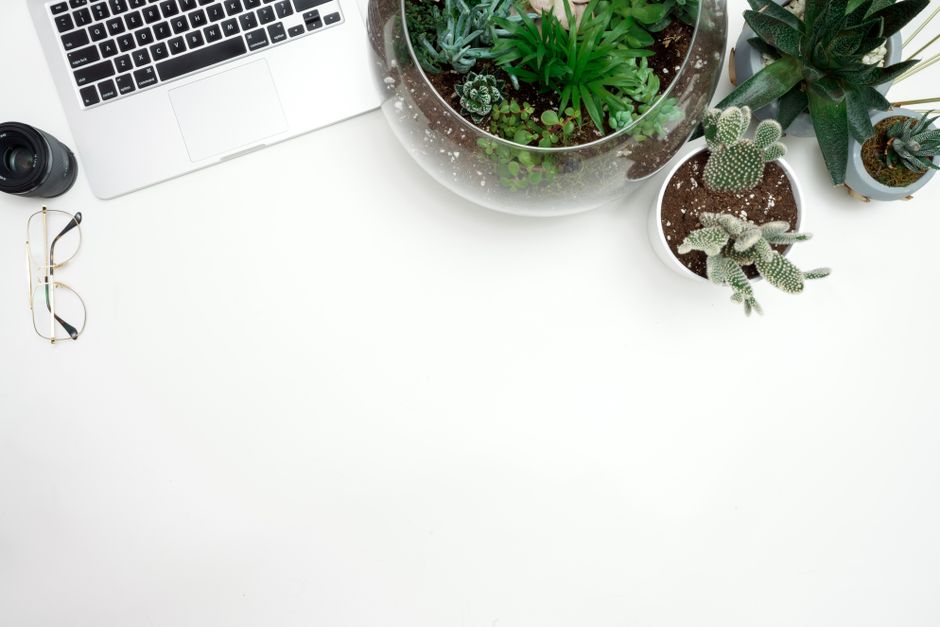
If you work at a desk all day, you already know how sterile it can feel. A succulent plant arrangement on your office desk changes everything—and honestly, it’s one of the easiest ways to bring life to your workspace without demanding hours of attention.
Here’s the straightforward answer: succulent plant arrangements for office desks are compact, low-maintenance collections of drought-tolerant plants that thrive in typical office lighting and forget-me-not watering schedules. They improve air quality, boost your mood, and make your desk a conversation starter. Whether you’re in a corporate office, a co-working space, or a home office, a small succulent setup works.
Why Succulents Are Perfect for Office Desks
Succulents are basically the office plant MVP. They store water in their leaves, so they don’t need constant watering. You can skip watering for weeks without guilt.
But here’s what really matters: they actually improve the air around you. Research shows that indoor plants can filter air and reduce indoor pollutants, which is huge when you’re sitting in an office for 8+ hours a day.
Beyond the science, there’s the psychology angle. Studies consistently show that plants in your workspace reduce stress and boost focus. You get more done when you’re not staring at a blank, beige desk corner. Plus, visitors to your desk always ask about them. It’s a small thing, but it creates a welcoming vibe.
Best Succulents and Plants for Office Desk Arrangements
Not all succulents are created equal for desk life. Here’s what actually works in office environments:
- Echeveria and other classic succulents: These rosette-shaped plants are the stereotypical desk succulents for a reason. They’re tough, pretty, and come in tons of colors.
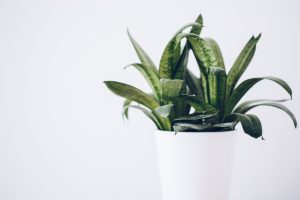
- Snake plants (Sansevieria): Tall, architectural, and nearly impossible to kill. Snake plants handle low light better than most succulents and add vertical interest to your desk.
- Pothos: Technically not a succulent, but it’s close in terms of care. Pothos is trailing and works beautifully in small containers. It tolerates fluorescent office lighting without complaint.
- ZZ plants: These compact beauties handle neglect like champions. They’re glossy, modern-looking, and seriously underrated for desk setups.
- Air plants (Tillandsia): No soil needed. Just mist them once a week. They’re weird, they’re cool, and they fit in tiny desk spaces.
The common thread? All of these plants forgive inconsistent watering and tolerate the lighting conditions in most offices. You’re not trying to keep a fussy tropical orchid alive here.
How to Create a Succulent Arrangement for Your Desk
Creating a desk arrangement is simpler than you think. You don’t need special skills or expensive materials.
Step 1: Choose a container. Pick something small—think 4 to 6 inches wide max. A ceramic pot, a small glass vase, or even a repurposed container works. The key is drainage. Your pot needs a drainage hole, or your succulents will rot from excess moisture.
Step 2: Grab the right soil. Use well-draining cactus or succulent mix. Regular potting soil holds too much water and kills succulents. This isn’t optional.
Step 3: Select 2 to 4 plants. Mix textures and colors. A tall plant (like a snake plant or small succulent variety) works great with trailing options (pothos) or clustered rosettes. Odd numbers look more natural than even numbers.
Step 4: Plant loosely. Fill your container halfway with soil, nestle your plants in, and fill around them. Don’t pack it tight. Succulents like airflow around their roots.
Step 5: Wait before watering. Let your arrangement sit for 3 to 5 days before the first watering. This lets any root damage heal and prevents rot.
If you’re looking for something more curated or aren’t sure where to start, Nature Indoors can help design a custom desk arrangement that matches your office vibe and fits your actual care capacity.
Caring for Your Office Desk Succulents

Here’s the honest truth: once your arrangement is established, it needs almost no care. This is why desk succulents are so popular.
Watering: Water deeply but infrequently. Stick your finger in the soil. If it feels dry an inch down, water. If it’s still moist, skip it. In an office environment, you might water once every 2 to 3 weeks. In winter, even less.
Light: Most succulents and the plants we mentioned above tolerate moderate to bright indirect light. A desk near a window is ideal, but even a desk under fluorescent lights works. If your plant starts looking pale or stretching toward light, it needs brighter conditions.
Temperature: Office temperatures are usually perfect for succulents. Keep them away from direct AC vents or heating units that create extreme temperature swings.
Fertilizer: You can skip this entirely, or fertilize once during growing season (spring) with a diluted succulent fertilizer. Your plants don’t need it, but a tiny boost in spring doesn’t hurt.
Rotation: Rotate your arrangement 180 degrees every week or two so it grows evenly. This is small, but it makes a visible difference over time.
The whole routine takes maybe 5 minutes a month. That’s it.
Styling Your Desk Arrangement
Container choice matters more than people think. A matte ceramic pot in white, gray, or terracotta looks clean and minimalist. Glossy ceramic or small metal planters work if your office has a modern vibe.
Placement is strategic. Put your arrangement somewhere you can see it—maybe to the left or right of your monitor, or at the corner of your desk where it catches light from a window. Avoid placing it directly in front of your computer if it blocks your view.
If you want a more sophisticated setup, pair one small arrangement with a single tall plant (like a pothos in a hanging planter) that adds vertical dimension to your desk area. Layering small plants with taller greenery makes your workspace feel intentional and thoughtfully designed.
For anyone in Austin looking to elevate their entire office setup beyond a single desk, Nature Indoors offers custom interiorscape design services that can transform your whole workspace, not just your desk.
Common Mistakes to Avoid
Overwatering: This is the #1 killer of succulents. Your instinct is to care for the plant by watering it. Resist. Let the soil dry out completely between waterings.
Poor drainage: Don’t use a pot without a drainage hole. Just don’t. Your succulent will sit in water and die, even if you water correctly otherwise.
Wrong soil: Regular potting soil is too dense for succulents. Invest in cactus mix. It’s cheap and makes a huge difference.
Too much direct sun on office desks: Ironically, intense midday sun through an office window can scorch succulents. Bright indirect light is your target, not scorching direct rays all day.
Forgetting about them entirely: While succulents are forgiving, complete neglect for months will eventually take its toll. Check on your arrangement every couple of weeks, even if just to look at it and enjoy it.
Making Your Desk Arrangement Last
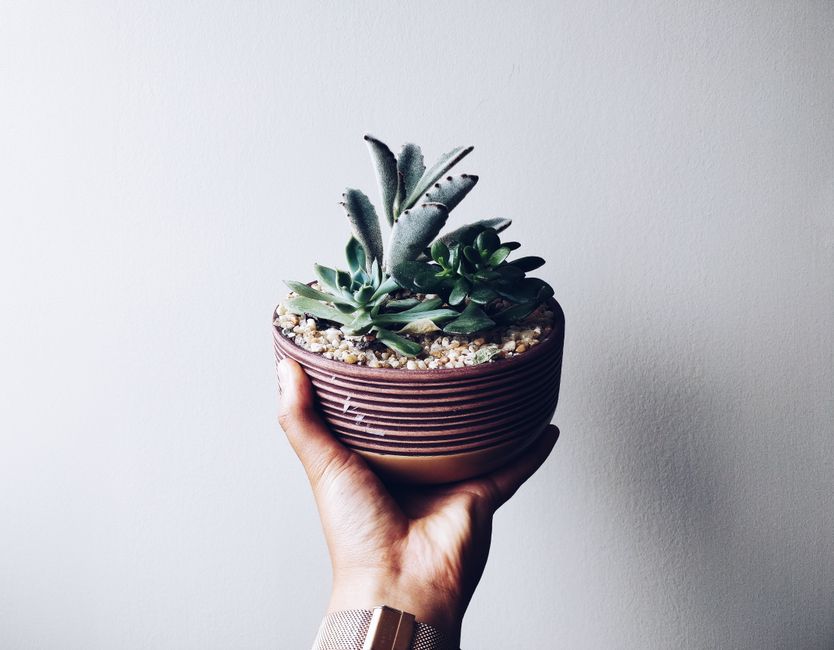
Most well-planted succulent arrangements last years on an office desk. The key is starting with healthy plants and getting the basics right from day one.
Every 12 to 18 months, you might want to refresh your arrangement. Plants get leggy, pots dry out faster as roots mature, or you just want a new look. Refreshing is as simple as repotting into fresh soil or swapping out one plant for something new.
If you notice your arrangement isn’t thriving after a month or two, don’t panic. Most issues come down to watering or light. Dial those back in, and recovery usually happens quickly.
The real gift of a desk succulent arrangement isn’t just the plant itself—it’s the shift in how you feel about your workspace. When you sit down to work and see something living and beautiful in front of you, it changes your mindset. You’re no longer in a sterile, corporate box. You’re in a space that honors wellness and natural beauty, even in small ways.
Frequently Asked Questions
Can I use artificial succulent arrangements for my office desk instead?
Technically, yes. But you’d miss out on the actual air-quality benefits and the psychological boost that living plants provide. Artificial plants are dust collectors that require cleaning. A real arrangement is genuinely low-maintenance once established and delivers benefits that fake plants can’t. If you’re worried about care, stick with the super-hardy options like snake plants or ZZ plants.
How often should I water a succulent arrangement on my office desk?
Once every 2 to 3 weeks is typical for office conditions, but the best rule is to check the soil first. If the soil is dry an inch down, water thoroughly. If it’s still moist, skip it. In winter or cooler months, you might water even less. Your office environment, light, and container size all affect frequency, so trust the soil, not the calendar.
What’s the best lighting for desk succulents in an office without windows?
Succulents and plants like pothos, ZZ, and snake plants tolerate moderate indirect light and even fluorescent office lighting. They won’t thrive in a dark corner, but they’ll survive under standard office lights. If your desk is under harsh fluorescent lights with no natural light nearby, stick with shade-tolerant options like pothos or ZZ plants. Air plants also work well in low-light offices.
Can I move my desk succulent arrangement between home and office?
Yes, but do it gradually. If you move your arrangement from a bright home office to a dimmer corporate office, give it a week to adjust before moving it again. Frequent moves stress plants. Once your arrangement is settled, keep it in one spot for at least a few months so it can establish itself and get comfortable with the lighting and temperature conditions.