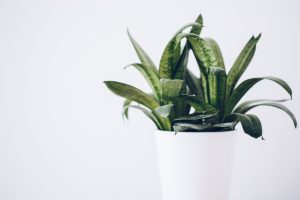
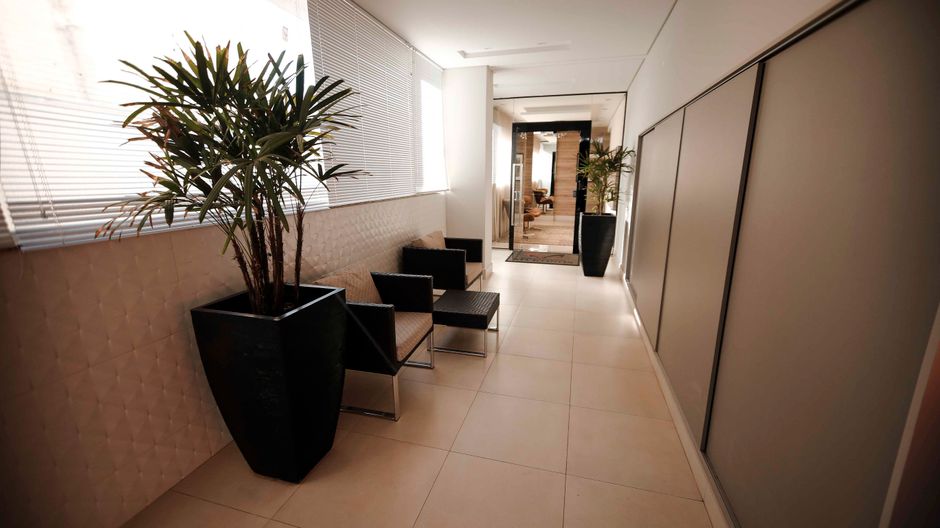
Here’s the thing: adding plants to your commercial office space isn’t just about making the place look nicer. The benefits of plants in commercial offices are backed by real research and directly impact how your team feels, works, and performs every single day.
Whether you’re managing a tech startup, a law firm, or a corporate headquarters, greenery transforms your office environment in measurable ways. Let’s break down exactly what plants do for your workspace—and why forward-thinking businesses are making them a priority.
Plants Boost Productivity and Focus
One of the biggest benefits of plants in commercial offices is their effect on how much work actually gets done. Studies show that employees working in spaces with plants are more productive and focused than those in bare, sterile environments.
Related: Best Indoor Plants for Commercial Spaces Austin 2026: Top 6 Ranked
Here’s why: plants reduce mental fatigue. When your brain is constantly scanning a bland, gray cubicle farm, it exhausts your attention span. A living, breathing plant in your line of sight gives your eyes something natural to rest on. This simple act refreshes your mental energy and makes it easier to concentrate on complex tasks.
Your team also tends to have better mood and energy levels when plants are nearby. That’s not placebo—it’s a documented response to being around living things. Better mood equals better focus. Better focus equals more work getting done, and done well.
If you’re serious about optimizing your office environment, Nature Indoors can help you design a plant strategy tailored to your team’s layout and workspace needs.
Better Air Quality in Your Office
Plants literally clean the air you breathe. In a commercial office where the HVAC system is recycling the same air all day, this matters.
Plants increase oxygen levels and help reduce excess CO2—that buildup that makes offices feel stuffy by 3 PM. They also absorb volatile organic compounds (VOCs) that off-gas from furniture, carpeting, and office equipment. These chemicals accumulate in closed office spaces, and plants act as natural filters.
Beyond pollutants, plants increase humidity by up to 15 percent. Dry office air causes headaches, dry eyes, and respiratory irritation. That humidity boost from plants helps regulate the indoor climate naturally, making employees feel more comfortable throughout the day.
One more air-quality benefit many people overlook: plants can help reduce noise. Hard surfaces in commercial offices create echo and amplify sound. Plants absorb sound waves, creating a quieter, more peaceful environment. This is especially valuable in open-plan offices where noise can be a major distraction.
Reduced Stress and Better Mental Health
Commercial offices are high-stress environments. Tight deadlines, back-to-back meetings, competitive pressure—it all adds up. The presence of plants measurably reduces employee stress levels.
Being around nature (even indoor nature) triggers a relaxation response in your nervous system. This is backed by research from the National Institutes of Health, showing that exposure to natural elements lowers cortisol levels and blood pressure.
In a commercial setting, this translates to employees who are calmer, less burned out, and more resilient under pressure. A team that’s stressed out makes more mistakes, takes more sick days, and has higher turnover. A team surrounded by living plants stays grounded.
Plants also create a more welcoming, human-centered business environment. Clients walking into an office with thoughtful greenery see a company that cares about well-being and quality of life. That perception matters for your brand.
Aesthetic and Brand Identity Benefits
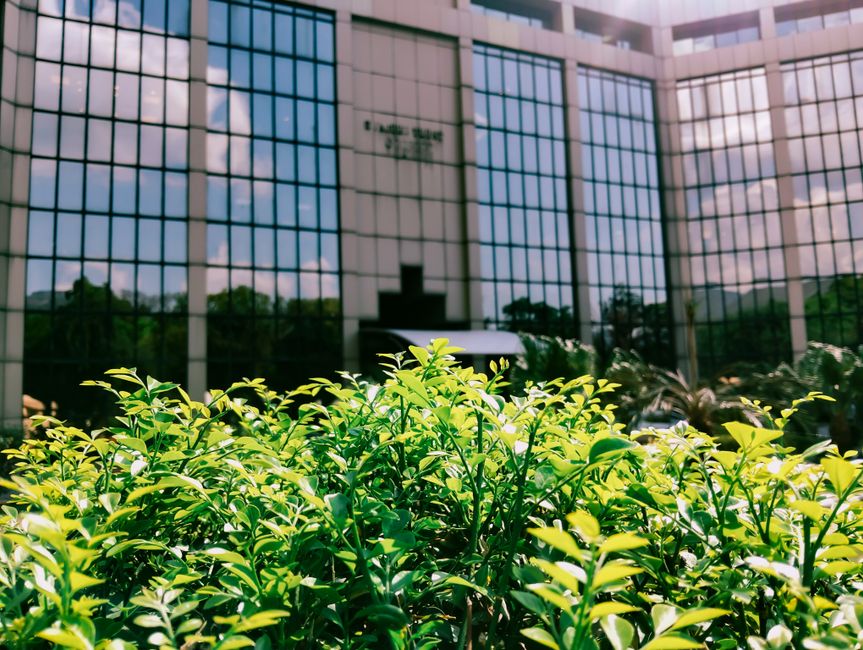
Your office space communicates who you are as a company. A sterile, plant-free office says one thing. A thoughtfully planted office says something entirely different.
Plants brighten up workspace aesthetics and create a modern, forward-thinking visual identity. They soften hard architectural edges, add color and texture, and make spaces feel more intentional. This is especially important for companies that want to position themselves as innovative, human-centered, or eco-conscious.
Beyond aesthetics, plants help you build a green corporate identity. Clients, partners, and job candidates increasingly expect businesses to demonstrate environmental values. A planted office shows commitment to sustainability in a tangible, visible way.
The design element matters too. The right plants in the right locations can transform a generic meeting room into a place where people actually want to be. That improves meeting quality, client presentations, and overall employee satisfaction.
Related: Plants That Improve Air Quality in Offices: Top Picks
Related: Best Indoor Plants for Low Light Offices: 7 Thriving Options
How to Get Started with Office Plants
If you’re convinced that plants belong in your commercial space, here’s how to approach it strategically.
Start by assessing your office environment. How much natural light do different areas get? What’s your HVAC system like? How much maintenance time and budget do you have? Plants that thrive in low-light areas are different from plants that need bright, indirect sun. A fern isn’t the same commitment as a fiddle leaf fig.
Choose plants that match your office conditions and your maintenance capacity. If you don’t have a dedicated plant person on staff, go with low-maintenance options that forgive occasional neglect. There are plenty of beautiful, hardy plants that actually prefer indoor office conditions.
Consider placement strategically. Put plants in high-traffic areas where employees spend the most time. Entry ways and common areas benefit from larger statement plants. Desks and workstations benefit from smaller, air-purifying plants. Meeting rooms feel more welcoming with greenery in the corners.
If designing and maintaining an office plant program feels overwhelming, that’s normal. It’s worth bringing in professional help. Nature Indoors specializes in commercial office plant design and maintenance, handling everything from plant selection and installation to ongoing care so your team stays focused on actual work.
The Business Case for Office Plants
Let’s talk ROI. Plants cost money—to purchase, install, and maintain. But the benefits justify the investment.
Increased productivity even a few percentage points is massive at scale. If 50 employees are 5 percent more productive, that’s significant output. Lower stress means fewer sick days. Better air quality means better cognitive function. Improved aesthetics means easier recruiting and better client perception.
Studies consistently show that the cost of plants and maintenance pays for itself through improved employee performance and well-being. That’s before you factor in the brand-building and environmental benefits.
For companies serious about optimizing their commercial office environment, plants are one of the most cost-effective investments you can make.
Making Plants Part of Your Office Culture

Once plants are in your space, they work best when they’re part of your office culture. Some teams assign a “plant person” to check in on watering. Others make it a shared responsibility. The point is to treat plants as an investment in your environment, not as an afterthought.
When employees see plants being cared for, it reinforces the message that your company values well-being. It creates a subtle but powerful culture shift toward mindfulness and sustainability.
Your office plants also become conversation starters. People connect over them. They become part of your team’s identity. That’s the magic of greenery in commercial spaces—it does far more than clean the air.
People Also Ask
What types of plants are best for commercial offices?
Low-maintenance, adaptable plants work best. Pothos, snake plants, ZZ plants, and peace lilies thrive in typical office lighting and forgive inconsistent watering. Larger statement plants like rubber trees or monstera work well in common areas. Choose based on your specific lighting conditions and maintenance capacity. Avoid temperamental plants that need constant attention.
How many plants does a commercial office actually need?
There’s no magic number, but a good rule is one plant per 100 square feet of office space. Start conservatively—maybe one or two plants per 10-person team—and expand from there based on what works. Quality placement matters more than quantity. One well-placed plant in a frequently-visited area beats three plants nobody sees.
Do office plants really improve air quality?
Yes, but realistically. Plants help reduce CO2 and absorb some VOCs, but they’re not a substitute for good ventilation and air filtration systems. Think of them as part of a holistic air-quality strategy, not the entire solution. Combined with proper HVAC maintenance, plants make a noticeable difference in how the air feels and smells.
How often do office plants need to be watered and maintained?
It depends on the plant, your office conditions, and your system. Hardy office plants typically need watering once a week or every 10 days. Some prefer drier conditions. Maintenance includes occasional dusting, pruning, and checking for pests. If you don’t have staff capacity for ongoing care, professional maintenance is absolutely worth the cost—plants don’t thrive on neglect, and a dead plant hurts morale more than no plant at all.