When a guest walks into a hotel lobby or sits down at a restaurant table, what makes them feel welcomed? Often it’s the living greenery surrounding them. Commercial plant design for hospitality spaces is about more than aesthetics—it’s about creating an atmosphere that makes people want to stay longer, spend more, and tell their friends about the experience.
The right plants in the right places can transform a standard hospitality space into somewhere memorable. Whether you’re designing a boutique hotel, a farm-to-table restaurant, a spa lounge, or a trendy cocktail bar, greenery does the heavy lifting of establishing warmth and authenticity.
Why Plants Matter in Hospitality Design
Guests are drawn to spaces that feel alive. A lobby with strategic living walls or a dining area lined with sculptural plants doesn’t just look refined—it creates an emotional response. People photograph these spaces. They post them online. They book return visits because the place felt different.
Beyond the Instagram factor, plants actively improve how guests experience a space. They soften hard architectural lines, absorb sound, improve air quality, and create a sense of calm. In hospitality, that translates directly to guest satisfaction. When people feel better in a space, they perceive better service and are more likely to recommend the place to others.
Plants also communicate something important about your brand: that you care about thoughtful design, wellness, and creating intentional environments. This aligns perfectly with the quiet luxury aesthetic that appeals to today’s hospitality guests.
Related: Indoor Plant Design for Wellness Spaces: A Complete Guide
Strategic Placement Techniques for Maximum Impact
Not all plant placement is created equal. The best commercial plant design for hospitality spaces focuses on high-impact zones where guests will notice and remember the greenery.
Related: Commercial Plant Design for Retail Spaces in Austin
Related: Commercial Plant Design for Healthcare Offices: A Wellness Guide
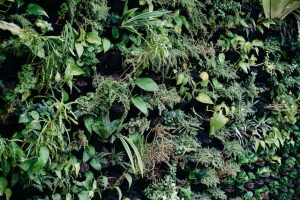
Entry points and lobbies: This is your first chance to make an impression. A living wall behind the check-in desk or flanking the main entrance signals that you’ve invested in thoughtful design. Guests immediately sense quality.
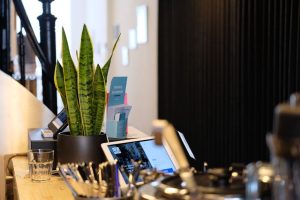
Dining areas: Place larger plants or living installations along the longest wall, behind the bar, or in corners where they create natural focal points. The greenery makes the space feel less institutional and more like a garden retreat.
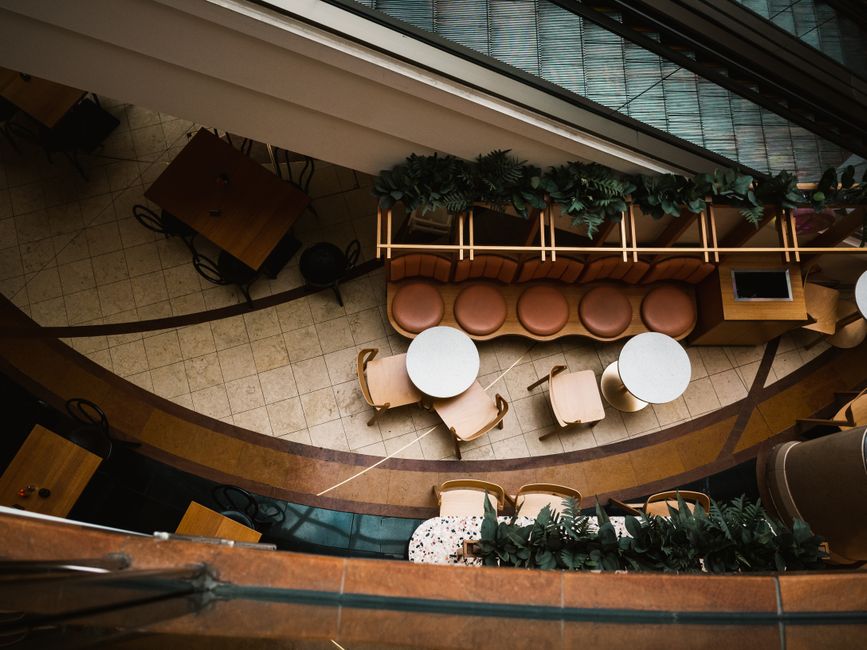
Lounge and seating areas: Group plants around conversation zones to define the space and create cozy microclimates within a larger room. This works especially well in hotel lounges and waiting areas.
Guest rooms (where applicable): A single well-placed plant in a bedroom or suite adds life without overwhelming a personal space. It contributes to the wellness-focused hospitality trend that guests increasingly expect.
If you’re working with limited natural light or indoor-only spaces, don’t worry—there are sophisticated options like lifelike plants and architectural planters that maintain the aesthetic without requiring ongoing sunlight.
Designing for Low-Maintenance Hospitality Environments
Here’s the reality: hospitality spaces are high-traffic, controlled environments. Your plant design needs to work within your operational constraints, not against them.
Choose hardy, forgiving plants. Species that tolerate inconsistent watering, variable lighting, and temperature fluctuations are your friends. Think pothos, snake plants, ZZ plants, peace lilies, and rubber trees. These plants look sophisticated and handle the stress of a busy commercial environment.
Group plants by water needs. Clustering plants with similar care requirements makes maintenance easier and reduces mistakes. If some prefer dry conditions and others prefer moisture, keeping them separate prevents over or under-watering.
Invest in quality containers. Large, stable planters anchor the design and reduce the visual clutter of multiple small pots. Architectural containers also elevate the perceived quality of the installation—even modest plants look refined in a thoughtful planter.
Plan for professional care. This is crucial. A beautiful plant installation only stays beautiful if it’s maintained properly. Nature Indoors specializes in ongoing maintenance for commercial hospitality spaces, handling watering, pruning, and seasonal adjustments so your design stays flawless without adding to your staff’s workload.
Creating Atmosphere Through Intentional Plantscaping

The difference between random plants and intentional plantscaping comes down to purpose. Every plant in your design should contribute to the overall feeling you’re creating.
Establish a sense of place. Plants can reinforce your hospitality brand’s identity. A coastal resort might lean into trailing vines and airy, loose arrangements. An urban hotel might favor architectural plants with clean lines. A wellness-focused retreat might use lush, dense plantings that feel enveloping and restorative.
Use height and texture variation. Mix tall statement plants with low groundcover and cascading varieties. This layering creates visual depth and makes spaces feel more intentionally designed, not randomly planted.
Balance the organic with the refined. Hospitality guests appreciate polished, well-maintained spaces. This means regular pruning, clean containers, and strategic placement. The plants should feel natural but also clearly cared for—the aesthetic sweet spot between garden and gallery.
Consider seasonal updates. Rotating seasonal plantings keeps regular guests engaged and prevents the space from feeling stagnant. A spring refresh looks and feels different from an autumn installation.
Practical Implementation Steps
Step 1: Assess your space. How much natural light does each area receive? What’s the temperature stability? How much foot traffic? These factors determine what will actually thrive in your hospitality environment.
Step 2: Define your design goals. Are you trying to create drama at entry points, establish intimacy in dining, or improve wellness in guest rooms? Each goal calls for different plant selections and placements.
Step 3: Choose your plants strategically. Select species that fit both your lighting conditions and your aesthetic. A dark lobby needs shade-tolerant plants; a bright, modern restaurant can handle sun-loving specimens with sculptural forms.
Step 4: Plan your containers. Invest in cohesive, high-quality planters that tie the design together. The right container elevates even modest plants.
Step 5: Arrange for ongoing maintenance. This is where many hospitality plant designs fail. Without regular care, even hardy plants look neglected. Nature Indoors can handle everything from watering to seasonal refreshes, ensuring your design stays as impressive as day one.
Common Hospitality Plant Design Challenges
Challenge: “Our restaurant is too dark for living plants.” Solution: Use architectural planters with lifelike specimens, or identify even small pockets of natural light and place your showiest plants there. Uplighting can also create the illusion of a thriving plant while adding ambiance.
Challenge: “Staff keeps forgetting to water the plants.” Solution: Don’t rely on staff for plant care. It’s not their expertise, and it sets up everyone for failure. Professional maintenance is a business investment that protects your design.
Challenge: “Guests have allergies to certain plants.” Solution: Stick with hypoallergenic varieties or use lifelike plants in common areas. When in doubt, consult with your design partner about allergen concerns.
Challenge: “We want plants but our space has HVAC systems that dry everything out.” Solution: Select drought-tolerant plants, use pebble trays for subtle humidity, or lean into low-maintenance synthetic installations that capture the aesthetic without the watering needs.
Measuring Success: Beyond Aesthetics

A successful commercial plant design for hospitality spaces does more than look good—it impacts your bottom line. Guest satisfaction increases. Spaces feel intentional and memorable. Staff morale often improves in greener environments. And the wellness angle appeals to guests who prioritize experiences that make them feel better.
The key is treating your plantscaping as an investment in guest experience, not an afterthought or decoration. When you plan thoughtfully, choose the right species, and maintain consistently, your greenery becomes part of what makes your hospitality space unforgettable.
Getting Started With Your Hospitality Plantscaping
If you’re ready to bring commercial plant design into your hospitality space, start by auditing what you have and what you’re missing. Where could strategic greenery have the biggest impact? Which areas feel cold or institutional? Where do guests naturally gravitate?
Once you’ve identified your opportunities, the next step is choosing between in-house care and professional maintenance. If your team is stretched thin—and in hospitality, it usually is—outsourcing plant care keeps your design pristine without burdening your staff. Nature Indoors works with Austin hospitality businesses to design and maintain custom plantscaping that reflects their brand and elevates guest experience.
Frequently Asked Questions
How often should I update or refresh plants in a hospitality space?
Seasonal refreshes (every 3-4 months) keep the space feeling intentional and prevent guest fatigue. However, hardy specimens can remain year-round if they’re thriving. The key is rotating focal plants—maybe a lush fern in spring transitions to a sculptural cactus in summer. Smaller accent plants can rotate more frequently without major disruption.
Are real plants better than lifelike plants for hospitality spaces?
Real plants are superior for creating authentic atmosphere, improving air quality, and signaling that you care about wellness. However, lifelike plants work beautifully in spaces with no natural light or high traffic areas where living plants can’t survive. Many hotels use a hybrid approach: real plants where conditions support them, lifelike specimens where they don’t.
How much space and budget should I allocate for commercial plant design?
That depends entirely on your hospitality space’s size, your brand positioning, and your maintenance capacity. A boutique hotel lobby might invest significantly in a living wall installation, while a restaurant might focus on a few strategic focal points. The most important factor is consistent maintenance—a modest, well-maintained installation always outperforms an ambitious, neglected one.
Can commercial plant design actually improve our business outcomes?
Yes. Guests spend more time in spaces where they feel comfortable, they rate their experience higher, and they’re more likely to recommend the place to others. Beyond the guest experience, plants improve air quality and can boost staff morale. The investment pays for itself through improved reputation and repeat bookings.