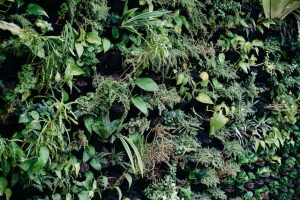
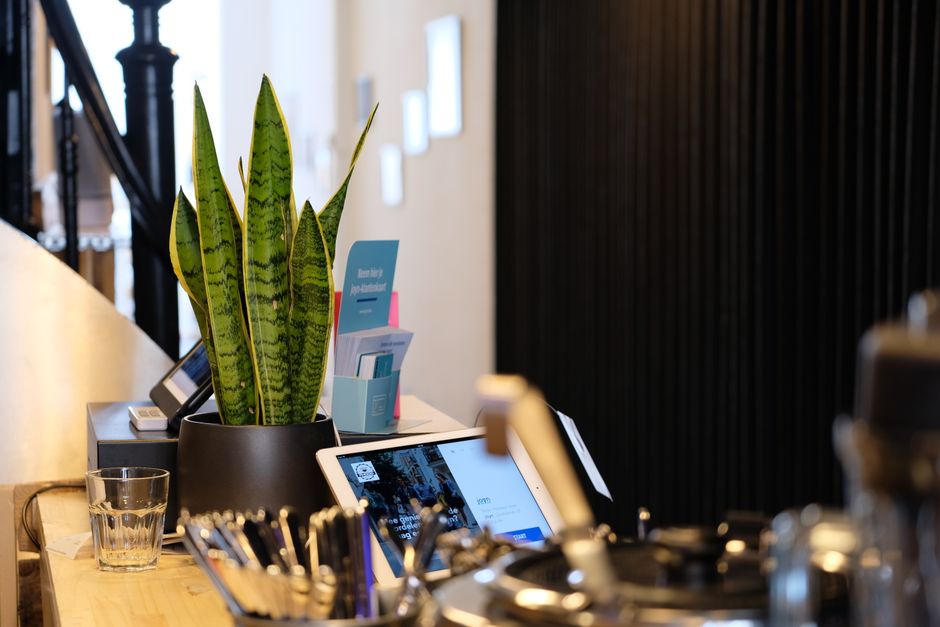
Plant care for Austin hotel lobbies isn’t like caring for plants in a home. Your lobby is a 24/7 climate-controlled zone with fluctuating foot traffic, artificial lighting, and air conditioning that can stress plants fast. But with the right approach, your greenery can become a stunning focal point that guests notice and remember.
Why Hotel Lobbies Need a Different Plant Strategy
Austin’s hotel lobbies operate in a totally different world than residential spaces. Your plants deal with constant temperature shifts, inconsistent humidity, dim or artificial light, and the stress of being around hundreds of people every week. This isn’t a problem—it just means you need to be intentional about plant selection and care.
Related: Eco Friendly Plant Care for Startups: A Beginner’s Guide
The good news? There are plants specifically suited to these conditions, and once you get your system in place, they thrive. The key is understanding that your lobby environment is controlled but demanding, and your plant care routine needs to match that reality.
Select Plants Built for Hotel Lobby Conditions
Start with minimal-maintenance varieties that can handle low light, temperature consistency, and occasional neglect. These are your heroes:
- Pothos and Philodendrons: Nearly indestructible. They tolerate low light and irregular watering. Perfect for corners and shelves.
- Snake Plants (Sansevieria): Extremely drought-tolerant. They actually prefer drying out between waterings and add vertical interest.
- ZZ Plants: Glossy, modern look. Low water needs. They handle inconsistent care without complaint.
- Peace Lilies: They’ll droop when thirsty, giving you a visual cue. Good for mid-light areas.
- Dracaenas: Available in dozens of varieties. Many tolerate low light and add height and color variety to your lobby design.
- Calatheas and Marantas: If you have moderate light and stable humidity, these add dramatic foliage. They’re pickier but worth it for visual impact.
The secret? Choose plants based on the actual light your lobby gets, not what you wish it had. If you’re unsure about your lighting conditions or want plants selected specifically for your space, Nature Indoors can assess your lobby and recommend varieties that will genuinely thrive there.
Master Watering for Austin’s Climate
Watering is where most hotel plant programs fail. Austin’s humidity levels fluctuate, and your lobby’s air conditioning pulls moisture from the air. This means you can’t use a one-size-fits-all watering schedule.
Related: Plant Care Services for Austin Property Managers
Related: What Is a Plant Service Company? Austin Guide
Here’s the approach that works:
- Check soil before watering: Stick your finger 1-2 inches into the soil. If it feels dry, water. If it’s still moist, wait. This simple test beats any calendar schedule.
- Water thoroughly but infrequently: When you water, saturate the soil until it drains from the bottom. Then let it dry out partially before the next watering. Most plants prefer this cycle over constant moisture.
- Adjust for seasons: In summer (June through September), plants dry out faster due to heat and air conditioning use. In cooler months, they need less water. Austin’s winters are mild, so you’re not dealing with dormancy, but plants still slow down.
- Use room-temperature water: Cold water shocks the roots. Let tap water sit for a few hours or use water that’s been sitting in your lobby overnight.
- Water early in the day: This gives any excess moisture time to evaporate and reduces fungal issues.
If you’re managing multiple plants or don’t have daily staff oversight, a consistent maintenance schedule removes the guesswork and keeps your lobby looking lush year-round.
Control Temperature and Air Circulation
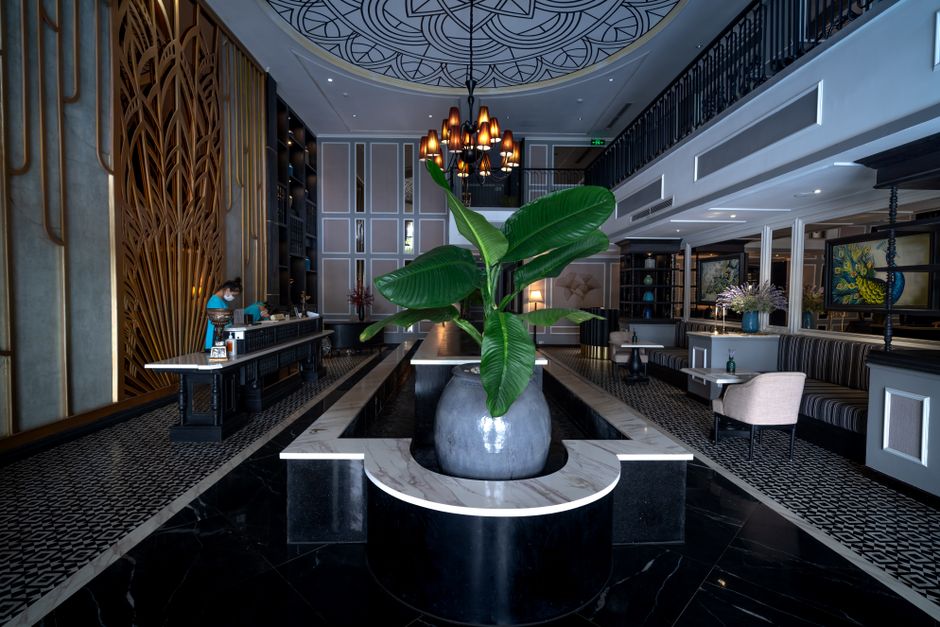
Austin hotels often blast air conditioning to handle summer heat. This rapid temperature change and constant air movement stress plants that are adapted to warmer, more humid climates.
Keep these strategies in mind:
- Avoid vents and returns: Don’t place plants directly under AC vents or near return air grilles. The concentrated air flow dries them out fast and causes leaf damage.
- Maintain consistent temperature: Aim for 65-75°F during operating hours. Plants tolerate this range well. Dramatic drops below 60°F at night or spikes above 80°F stress them.
- Increase humidity where possible: Group plants together so they create a microclimate with higher humidity. Cluster pots on a moisture-wicking tray or use a small humidifier in display areas.
- Allow air circulation: You want movement without direct blasts. Fans on low speed help prevent stagnant air, which invites fungal issues.
These conditions might sound finicky, but they’re totally manageable with intentional placement and regular monitoring.
Inspect and Manage Pests Before They Become Problems
Hotel lobbies are exposed spaces with lots of foot traffic. Pests like spider mites, mealybugs, and scale insects love the warm, dry air. Prevention is way easier than treatment.
Before bringing plants into your lobby:
- Quarantine new plants for 1-2 weeks: Keep them in a separate area and inspect them daily. Look at leaf undersides, stems, and soil surface for tiny insects, sticky residue, or webbing.
- Wash leaves with mild soap and water: This removes dust, pest eggs, and debris. Use a soft cloth or sponge and support the leaf with your other hand so you don’t snap it.
- Once plants are in the lobby: Inspect them weekly. Early detection is everything. If you spot pests, treat them immediately with neem oil or insecticidal soap (organic options work great).
- Avoid harsh chemicals: Hotel guests breathe the same air as your plants. Stick with organic, food-safe pest management. It works just as well and won’t create safety concerns.
If pest management feels overwhelming, that’s exactly what ongoing maintenance programs from Nature Indoors are designed to handle. Regular inspections catch problems before they spread.
Build Diversity Into Your Lobby Design
A lobby with just one type of plant looks boring. But diversity also makes your display more resilient. If one plant struggles, your overall aesthetic doesn’t collapse.
Mix plants by:
- Height and form: Combine tall plants (Dracaenas, Fiddle Leaf Figs) with trailing varieties (Pothos) and compact plants (Snake Plants, Calatheas).
- Foliage color: Green is beautiful, but adding variegated plants (green and white Syngoniums, colorful Dracaenas) creates visual interest.
- Texture: Mix smooth-leafed plants with textured ones. The contrast draws the eye.
- Care needs: Don’t plant everything that needs high light in one corner. Spread out your plant selection so if someone neglects one area, your whole lobby doesn’t suffer.
This diversity also signals intentionality to your guests. They notice when a space is thoughtfully designed, and greenery is a big part of that feeling.
Develop a Sustainable Maintenance Routine

The best plant care strategy is the one you’ll actually stick to. That means building a system that fits your hotel’s staffing and schedule.
Create a simple checklist for whoever’s responsible for plants:
- Monday, Wednesday, Friday: Check soil moisture. Water as needed.
- Every other week: Inspect leaves and stems for pests or damage.
- Monthly: Wipe down leaves. Check for root-bound plants (roots circling the soil surface). Rotate pots a quarter turn for even light exposure.
- Quarterly: Assess which plants are thriving and which are struggling. Consider relocating or replacing underperformers.
If your team doesn’t have capacity for this, that’s totally normal. Many Austin hotels partner with professionals who handle everything from plant selection to ongoing care, so your staff can focus on guest experience.
Troubleshoot Common Problems
Yellow leaves: Usually overwatering. Cut back on frequency. If the soil constantly stays wet, the roots are rotting. Repot into fresh, drier soil.
Brown leaf tips: This signals low humidity or inconsistent watering. Mist foliage occasionally, increase grouping of plants, or water more consistently.
Drooping plants: Could be underwatering (check soil first) or root issues from sitting in water. Adjust your watering routine and make sure pots have drainage holes.
Pale or slow growth: Not enough light. Move plants closer to windows or supplement with grow lights. Some plants (like Pothos) tolerate low light, but they still perform better with moderate indirect light.
Pest damage: Sticky residue, tiny spots on leaves, or fine webbing means pests are present. Isolate the plant and treat immediately with organic insecticide.
If problems persist or you’re unsure what’s causing them, that’s when professional assessment helps. It saves time and keeps your lobby looking great.
People Also Ask About Hotel Lobby Plant Care
Can I use artificial plants instead? Technically yes, but real plants offer benefits artificial ones don’t: they improve air quality, add genuine visual warmth, and create a sense of intentionality that guests feel. Plus, they’re often more cost-effective long-term. Real plants just need a solid care routine.
How often should I replace plants in a hotel lobby? Healthy, well-maintained plants can live for years. The goal is keeping them thriving, not rotating them out constantly. If a plant stops responding to care adjustments after a few months, then yes, replace it. But most plants—especially low-maintenance varieties—adapt beautifully to lobby conditions.
What’s the best time to introduce new plants to my lobby? Fall and spring (October-November and March-April) are ideal in Austin. Temperatures are mild, so plants establish themselves without the stress of extreme heat or cool nights. If you need plants during summer, it’s fine—just monitor them more closely during the first few weeks.
Do hotel lobbies need special fertilizer? No. Standard, balanced fertilizer (like 10-10-10) works fine. Use it every 4-6 weeks during growing season (spring and summer) and reduce or skip it in fall and winter. Over-fertilizing causes salt buildup in the soil, which damages roots. Less is more.
What if I don’t have time to manage plant care myself?
That’s the most honest answer: not everyone has the capacity, and that’s okay. Full-service plant care programs handle everything—selection, installation, watering, pest management, and rotation. You get a thriving lobby without the daily responsibility. It’s a smart option for hotels prioritizing guest experience and wellness.
How do I know if my lobby gets enough light for plants?
Spend a few minutes in your lobby at different times of day. If you can read a newspaper without strain near where you want plants, there’s enough light. If it feels dim or requires overhead lights during the day, you’re in a low-light zone. Low light isn’t a dealbreaker—plants like Pothos, Snake Plants, and ZZ Plants thrive in it—but it does narrow your options. If you’re unsure, that’s another reason to get professional guidance on plant selection and placement.
Is it normal for plants to look droopy after I bring them into the lobby?
Yes. This is transplant shock. Plants need 1-2 weeks to adjust to new light, temperature, and humidity. They’ll perk up. During this adjustment period, don’t panic and change your care routine constantly. Keep conditions stable, water appropriately based on soil moisture, and give them time. If a plant is still struggling after a month, then it might not be a good fit for that spot.
Can I use the same soil for all my lobby plants?
Not ideally. Different plants have different drainage needs. Snake Plants and Succulents need very well-draining soil. Ferns and Peace Lilies prefer soil that retains slightly more moisture. Standard indoor potting mix works for most plants, but if you’re mixing moisture-loving and drought-tolerant plants, you’ll need to adjust soil composition per plant or accept that one type will always be slightly happier than the other. This is another detail that professional plant design takes into account.