Custom plant design for startup offices in Austin goes way beyond picking out a few plants and hoping they survive. When you’re building a workspace that reflects your company’s values and energizes your team, the greenery matters. The right plants in the right spots can transform a bland office into a creative, healthy environment that makes people actually want to be there.
Here’s the thing: startups in Austin care about sustainability, wellness, and aesthetics. Your office space is where your team spends 40+ hours a week. It should feel intentional and alive—not sterile. Custom plant design lets you create that exact experience, tailored to your actual office layout, lighting conditions, and maintenance capacity.
Related: Indoor Plant Design for Wellness Spaces in Austin
Related: Commercial Plant Design for Retail Spaces in Austin
Start With Your Space and Lighting
Before any plants go anywhere, you need to understand what you’re working with. Every office has different light levels, temperature patterns, and traffic flow. A high-rise office with south-facing windows is totally different from a ground-floor startup with no natural light.
Walk through your office at different times of day. Where’s it brightest? Where are the dark corners? Are there any rooms that stay cool or get warm? This matters because plants need light that matches their natural habitat. A plant thriving in bright, indirect light will struggle in a corner far from windows.
For startup offices, you’ve probably got a mix: some areas with decent natural light, others that are pretty dim. The good news is that tons of plants thrive in low-to-moderate light. Pothos, ZZ plants, snake plants, and peace lilies are basically bulletproof indoors. But if you want higher-impact plants like fiddle leaf figs or monsteras in those bright spots, they’ll reward you with faster growth and bigger leaves.
Nature Indoors specializes in designing plant layouts that match your exact lighting situation—so you’re not guessing whether a plant will make it.
Think About Your Aesthetic and Brand Vibe
Your office plants should feel like part of your brand, not an afterthought. A sleek fintech startup might lean into modern containers and structured plant arrangements. A creative agency might want lush, abundant greenery that feels a little wild. A wellness-focused company might feature air-purifying plants prominently.
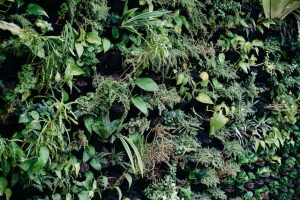
Container choice is huge here. You can go minimalist with plain ceramic or concrete pots, or you can choose planters that match your color palette and design language. Some offices even do green walls or moss walls—high-impact focal points that announce “we care about this space” the moment someone walks in.
Think about plant placement too. Plants near the reception area make a strong first impression. Greenery in collaborative spaces encourages creativity. Even adding some plants to individual desks or meeting rooms helps people feel calmer and more focused.
Choose Low-Maintenance Plants That Actually Survive
Here’s a hard truth: your team is busy building a company. They’re not going to water plants on a strict schedule. That’s why custom design for startup offices focuses on plants that tolerate inconsistent watering and variable care.
The real workhorses are: ZZ plants (barely need water), snake plants (drought tolerant, dramatic look), pothos (forgiving and grows fast), peace lilies (will literally wilt when thirsty so you know to water), monstera (big statement plant, surprisingly resilient), and rubber plants (sculptural, elegant, low-maintenance).
These aren’t boring. They’re reliable. And when they’re in the right light with the right care plan, they look incredible. You’re not settling—you’re being smart about your office investment.
Plan for Ongoing Maintenance

This is the part where most DIY office plant situations fall apart. Someone waters too much. Someone forgets. A plant dies. The rest look sad. Suddenly plants feel like a chore, not an asset.
Related: Custom Plant Displays for Business Lobbies in Austin
Custom plant design includes a maintenance strategy. Are you going to assign plant care to one person (risky)? Rotate it among staff (usually doesn’t work)? Or bring in professional maintenance to keep everything thriving?
Professional care means someone checks soil moisture, waters when needed, adjusts plants if light changes, removes dead leaves, and catches pest issues before they spread. For a startup, this usually happens bi-weekly or monthly depending on your setup.
You also need to think about seasonal changes. Summer might mean more frequent watering. Winter humidity drops as heating runs. A good maintenance plan accounts for this.
Design Green Walls or Statement Installations
If you want your office to feel special, green walls and moss walls pack serious impact. These are living installations—either wall-mounted plants in a grid or structural moss panels—that create a whole vibe shift in one room.
A green wall works great as a backdrop behind your reception desk, in a main conference room, or along a long hallway. It’s a conversation starter and makes your office feel innovative and intentional.
These do require professional installation and a maintenance schedule, but the payoff in aesthetics and team morale is real. When your office looks that good, it signals that your company invests in employee experience.
Get a Design Consultation Before You Buy Anything
Here’s the step most people skip: talking to someone who actually knows plants and office spaces before committing to a design.
A consultation covers your layout, your lighting, your budget for maintenance, your aesthetic goals, and your team’s actual capacity to care for plants. From there, a designer can recommend specific plants, containers, and placement—and most importantly, a maintenance plan that actually fits your business.
This prevents the expensive mistake of buying the wrong plants or designing something too complex to maintain. You get a plan that works for your specific startup.
Nature Indoors offers custom design consultations for Austin startup offices, including installation and flexible maintenance plans that grow with your company.
Budget Realistically for Installation and Care
Custom plant design has real costs: the plants themselves, containers, installation labor, and ongoing maintenance. But think of it as an investment in your workspace and team wellbeing, not just décor.
A small startup might start with plants in common areas and a few key spaces. A growing startup might add more plants as you expand. Either way, you’ll want professional installation so plants are healthy from day one, not struggling because they were placed wrong.
The maintenance piece is where your ongoing budget goes. You’re paying for expertise and consistency—someone who shows up every two weeks and keeps everything thriving. That peace of mind is worth it.
Plan for Growth and Changes
Your startup is probably going to evolve. You might move offices, expand to a second floor, change your layout, or bring in new team members. A good plant design is flexible enough to adapt.
Work with a designer who can adjust your setup as you grow. Add more plants to new spaces. Refresh tired plants. Change containers if your brand evolves. This is a living system, not a static installation.
What plants are best for offices with low light?
ZZ plants, snake plants, pothos, peace lilies, and cast iron plants all thrive in low-light offices. They’re forgiving, don’t need constant attention, and actually look good. If you have some areas with brighter indirect light, philodendrons and monsteras are great too.
How often do office plants need maintenance?
It depends on your setup and plant types, but most office plant plans include professional maintenance every two weeks or monthly. That keeps everything watered, healthy, and looking sharp. If you’re handling care internally, you’ll need to check soil moisture at least weekly.
Can you do a green wall in a startup office?
Yes. Green walls and moss walls are popular in Austin offices and create serious visual impact. They do require professional installation and regular maintenance, but they’re a powerful way to show your team and clients that you care about a vibrant, healthy workspace.
What’s the difference between plant leasing and buying?
Buying means you own the plants outright and handle maintenance yourself. Leasing means a professional manages everything—delivery, installation, maintenance, plant replacements if something dies—and you just enjoy the greenery. For busy startups, leasing removes the guesswork and keeps plants looking pristine.