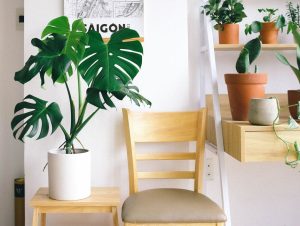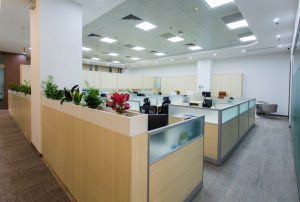
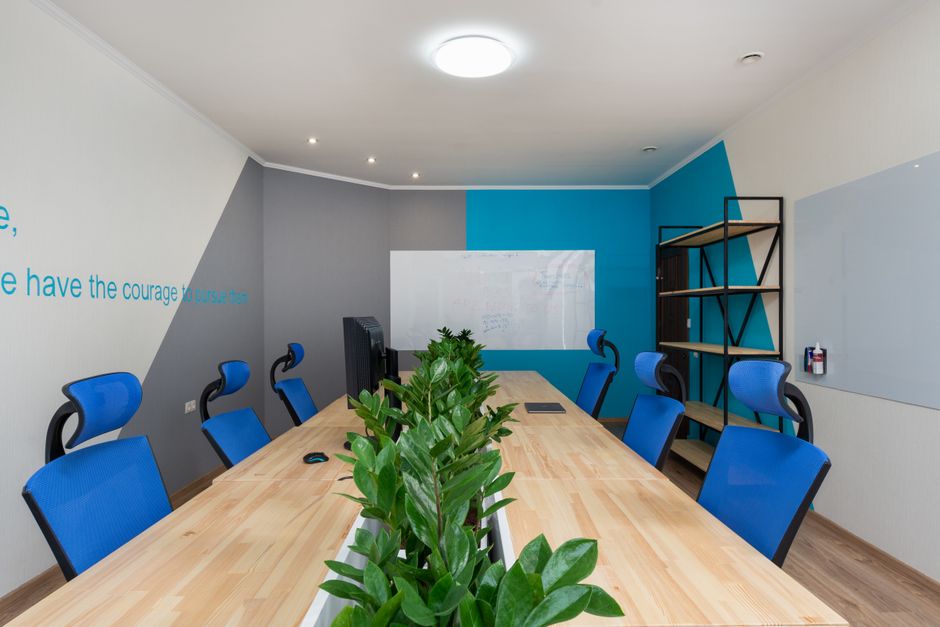
If you’re thinking about adding greenery to your conference room or meeting space, you’re onto something real. Plants in professional settings aren’t just pretty—they actually shift the energy of a room and make people feel calmer and more focused. The trick is picking species that thrive in the specific conditions of an office: variable lighting, temperature swings from AC, and maybe not perfect watering schedules.
The best plants for conference rooms are tough, low-maintenance species that look professional without demanding constant attention. Think hardy evergreens, architectural foliage plants, and species that tolerate shade and temperature fluctuations. That’s exactly what Nature Indoors focuses on when designing meeting spaces for local Austin businesses—selecting plants that earn their place and don’t become a liability.
Related: Best Tropical Indoor Plants for Austin Homes
Related: Custom Plant Arrangements for Business Spaces
Related: Best Indoor Plants for Commercial Spaces Austin 2026: Top 6 Ranked
Best Plants for Conference Rooms
Let’s break down the top species that work well in meeting spaces.
Snake Plant is the MVP of office plants. It tolerates low light, irregular watering, and temperature swings without flinching. Its vertical form looks sleek on the floor or on a shelf. It’s also incredibly safe—no toxicity concerns if someone brushes against it.
ZZ Plant is another workhorse. Glossy, compound leaves, slow growth, and total indifference to neglect make it perfect for conference rooms that might not see consistent care. It handles low to medium light and doesn’t need frequent watering.
Peace Lily brings a softer aesthetic with its lush green foliage and elegant white flowers. It actually thrives in lower-light conditions—ideal for interior meeting rooms without windows. It’ll droop slightly when thirsty, so it basically tells you when to water it.
Pothos works as a trailing or climbing plant depending on your setup. It’s incredibly forgiving, handles variable light, and adds movement and visual interest to shelves or high corners. You can let it trail naturally or guide it up a moss pole for a more contained look.
Dracaena varieties come in different sizes and foliage patterns. They’re structural, work in low to medium light, and add architectural interest to large spaces. Some varieties have dramatic striped or solid-colored leaves.
Aspidistra is an underrated gem. Dense, deep green foliage that’s nearly indestructible. It prefers shade over bright light, making it perfect for interior meeting rooms.
Choosing the Right Format for Your Space
How you display your plants matters as much as which ones you pick.
Tabletop arrangements work great on conference tables or sideboards. Small, potted specimens let you add greenery without taking up floor space. A single well-chosen plant on a meeting table can be more impactful than cramming the room with too many small pots.
Floor plants create visual anchors and draw the eye upward, making the room feel more spacious and intentional. Tall snake plants, dracaenas, or larger peace lilies placed in corners or along walls don’t interfere with traffic flow and add serious personality.
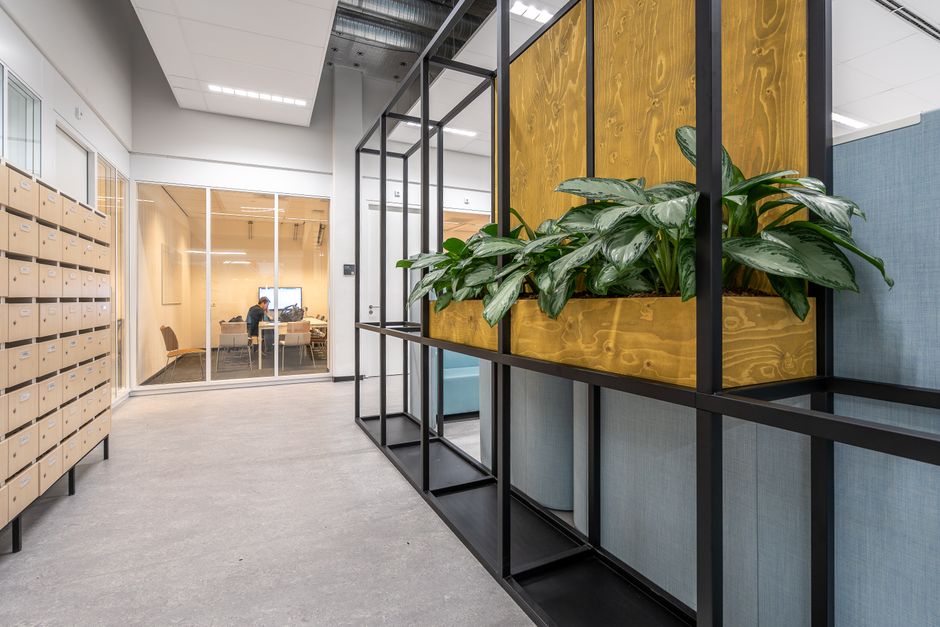
Planted screens or clusters of plants can define zones in open-concept meeting spaces. This works especially well if you need to separate a casual breakout area from a formal boardroom setup.
Climbing vines on trellises or moss poles add vertical greenery and soften hard architectural lines. Pothos trained up a pole gives you lush coverage without demanding much floor space.
Lighting and Environmental Conditions
Conference rooms aren’t always the brightest spaces, and that’s okay. Most of the plants listed above actually prefer lower light levels or can adapt to them.
If your meeting room has no windows or only artificial light, lean into shade-tolerant plants like peace lily, ZZ plant, and aspidistra. These species evolved in forest understories and genuinely prefer less direct sun.
If you have some natural light but it’s filtered or indirect, snake plant and pothos are solid choices. They don’t need bright light to thrive.
Temperature stability matters more than light level in most offices. Avoid placing plants directly in front of air conditioning vents or near heating units. A consistent temperature between 65-75°F is ideal for most indoor plants.
Meeting rooms can swing temperature throughout the day, especially if rooms are empty overnight. Choose species that tolerate fluctuations rather than delicate tropical plants that get stressed by AC and heating cycles.
Watering and Care in a Meeting Room
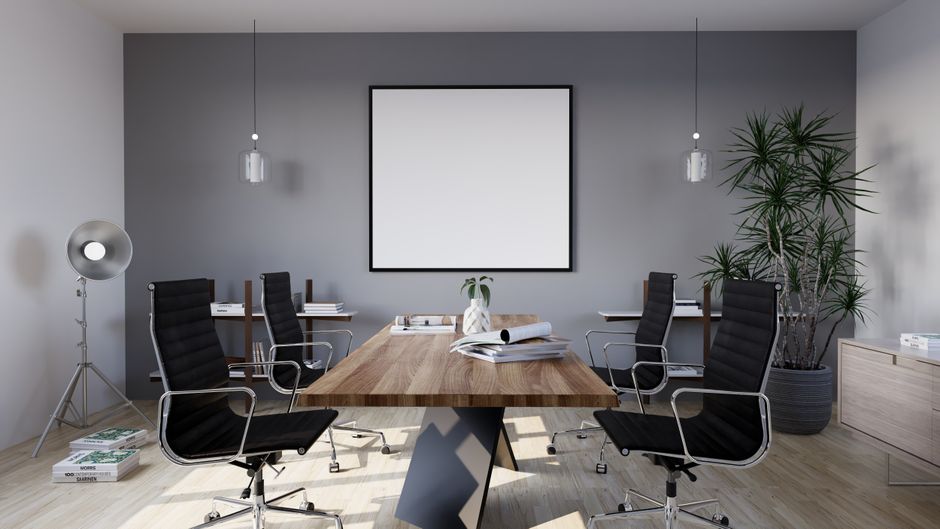
This is where many conference room plants fail. People forget they’re there, or multiple people try to help and overwater.
The safest approach is picking plants that tolerate irregular watering. Snake plant and ZZ plant actually prefer to dry out between waterings. Wait until the soil is fully dry before watering again—usually every 2-3 weeks depending on the season and humidity.
Peace lily and pothos prefer consistently moist (not soggy) soil, but they’ll bounce back from occasional neglect. They’ll actually wilt slightly when thirsty, giving you a visual cue.
Assign one person to be the “plant person” for the room rather than leaving it to chance. Weekly checks take 30 seconds. Stick your finger an inch into the soil—if it’s dry, water. If it’s moist, leave it alone.
In winter, most plants need less water because they’re growing more slowly and humidity is lower.
If consistent care feels unrealistic for your team, Nature Indoors offers maintenance services tailored to commercial spaces. Regular check-ins ensure your plants stay healthy and your team stays focused on meetings, not plant care.
Design Tips for Professional Spaces
Beyond the plants themselves, how you stage them shapes how people perceive the room.
Scale matters. A single large floor plant often makes a bigger impact than three small potted plants scattered around. It gives the room intention and presence.
Color palette counts. Most of the hardy office plants come in shades of green, which is perfect—they won’t clash with your décor and will actually make other colors in the room pop. If you want variety, mix plants with different leaf textures: glossy ZZ plant paired with delicate pothos, or structured dracaena with soft peace lily.
Pot styling should feel professional without being cold. Neutral ceramic or concrete pots in white, gray, or natural tones work in nearly any conference room. Avoid bright colors or cutesy patterns unless that fits your brand.
Placement is strategic. A plant near the entrance sets the tone immediately. Greenery in the center of a long conference table draws eyes away from screens and toward each other—subtle but effective for conversation-focused meetings.
Corner placement uses “dead” space and makes the room feel fuller without blocking sight lines or traffic. A tall floor plant in a corner is often the best use of space in a small meeting room.
Hardy Species That Handle Office Conditions
The core principle: choose plants that forgive inconsistency and thrive in low-to-medium light with dry air.
Snake plant and ZZ plant are the gold standards because they literally improve with neglect. These are species that evolved to survive droughts and deep shade. Your conference room is a vacation compared to their natural habitat.
Peace lily is the aesthetic choice if you want flowers and softer foliage. It’s just as tough as the others but looks less architectural.
Pothos gives you the most flexibility because it works as a trailing, climbing, or compact tabletop plant depending on how you train it.
Avoid fussy tropical plants in conference rooms. Calatheas, orchids, and other high-humidity-loving species will stress under typical office conditions. They look amazing but demand consistent care that most teams can’t provide.
If you’re uncertain which plants fit your specific space, or if you want a professionally designed setup that requires minimal ongoing attention, reaching out to Nature Indoors gets you expert guidance tailored to your lighting and team’s capacity for plant care.
FAQs
Do plants really improve air quality in conference rooms?
Plants do absorb some carbon dioxide and produce oxygen, which is technically air purification. But honestly, in a room full of people, the effect is minor. The real value of plants in meeting spaces is psychological—they reduce stress, improve focus, and make people feel calmer and more creative. That’s why they work.
What if my conference room has no windows?
No problem. Artificial light is fine, and many plants prefer lower light levels. Peace lily, ZZ plant, aspidistra, and snake plant all thrive in windowless rooms. The key is spacing them far enough from walls that they get some indirect ambient light, even if it’s mostly from overhead fixtures.
Can I use fake plants instead?
You *can*, but you’d be missing the whole point. Real plants improve air quality (even if modestly), require interaction that grounds you in the moment, and add movement and natural variation that fake plants can’t match. Plus, fake plants collect dust and never look quite right. Go real.
How often should I fertilize conference room plants?
Not often. Once during spring and once during summer is plenty if you’re using a diluted, balanced fertilizer. Most indoor plants grow slowly indoors and don’t need heavy feeding. Overfeeding actually stresses the plant and can burn roots. Less is more.