You want your indoor plants to thrive, but you’re also concerned about what you’re bringing into your home. The good news: you can absolutely care for indoor plants without toxic chemicals. It’s not only possible, it’s actually easier and more in line with what plants naturally need to grow well.
The key is understanding that healthy plants start with healthy basics: good light, proper water, and the right soil. When you nail those fundamentals, your plants become less vulnerable to pests and problems that might otherwise tempt you to reach for harsh sprays or treatments.
Why Toxic Chemicals Aren’t Necessary for Plant Health
Most people assume they need chemical solutions to keep plants alive indoors. That’s not true. Chemical fertilizers, synthetic pesticides, and commercial plant treatments often do more harm than good, especially in a closed indoor environment where fumes linger and your family breathes the same air as your plants.
When your plants are in the right conditions, they’re naturally more resistant to problems. A plant with adequate light and proper watering doesn’t invite pest infestations the way a struggling, overwatered plant does. And when pests do show up, you have plenty of non-toxic options that work just as well.
If you’re not sure where to start or want personalized guidance on creating a healthy plant environment in your home, Nature Indoors specializes in eco-friendly plant care solutions tailored to your space and lifestyle.
The Foundation: Light, Water, and Drainage
Before you even think about pests or plant food, focus on the three things that matter most.
Light exposure is huge. More hours of natural or bright indirect light make plants stronger, healthier, and better able to filter the air around them. If your plant is in a dim corner struggling to survive, it’s already stressed. Move it closer to a window or add a grow light if needed. A healthier plant resists problems on its own.
Watering is where most people go wrong. Overwatering causes root rot, which invites fungal issues and creates an environment where pests thrive. Water only when the top inch of soil feels dry. Stick your finger in the soil to check, or use a simple moisture meter if you want to be more precise. Different plants have different needs, so learn what your specific plant prefers.
Drainage is non-negotiable. Every pot should have drainage holes. If water pools at the top or sits in the saucer, your roots are sitting in moisture that breeds problems. Good drainage prevents the soggy conditions that lead to mold, fungus, and root disease. If you love a pot without drainage holes, use it as a decorative cover for a pot that does drain.
Natural Solutions for Common Plant Problems
Even with perfect care, you might occasionally see a pest or a fungal issue. Here’s what to do without reaching for chemicals.
Related: Plant Care Without Chemicals for Homes: A Complete Guide
Related: Indoor Plant Care for High Humidity Spaces: A Complete Guide
Related: Plant Care Service for Apartment Complexes: A Complete Guide
Related: Indoor Plant Design for Apartment Living: Complete Guide
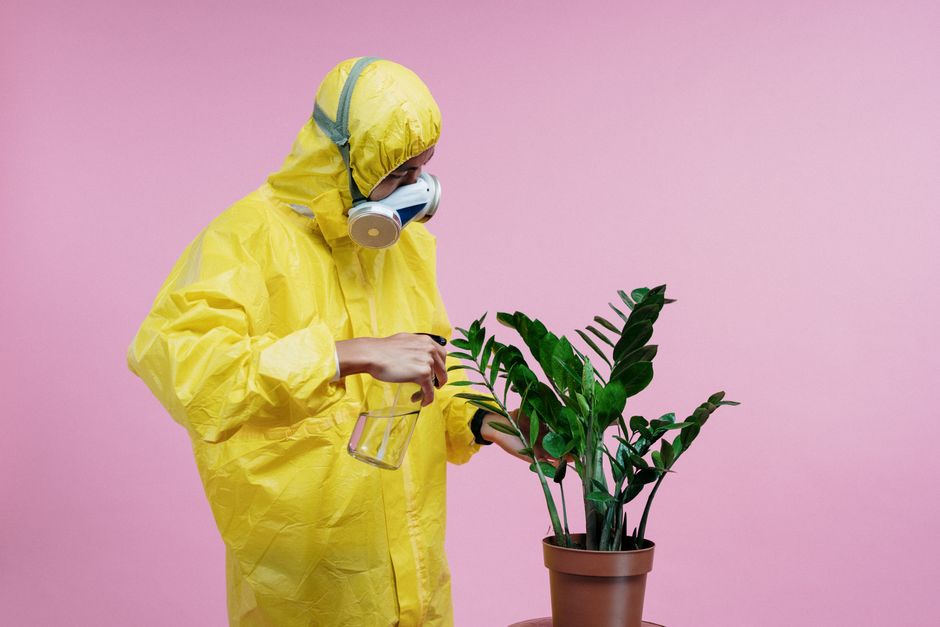
For spider mites and mealybugs: Mix a few drops of dish soap with water in a spray bottle and mist affected leaves. The soap disrupts the pests’ protective coating, and they can’t survive. Spray every few days until you don’t see them anymore. This method is safe, non-toxic, and surprisingly effective.
For fungal issues: Improve air circulation by opening windows or running a fan near your plants. Remove any visibly affected leaves and throw them away. Reduce watering frequency so the soil dries out between waterings. Fungus thrives in constantly damp conditions, so drying things out often fixes the problem without any treatment at all.
For scale insects: Wipe affected areas with a soft cloth dipped in rubbing alcohol. Let the alcohol dry completely before placing the plant back in its spot. Repeat weekly until you don’t see any more insects.
For general plant health: Every few weeks, spray your plant’s leaves with plain water and gently wipe them clean with a soft cloth. This removes dust, helps the plant absorb light better, and lets you spot problems early. It’s one of the simplest and most overlooked plant care practices.
Choosing Non-Toxic, Low-Maintenance Plants

Some plants are naturally hardier and less prone to problems. If you’re building a plant collection, focus on varieties that thrive indoors and need less intervention.
Peperomia is compact, cute, and nearly impossible to kill. It tolerates lower light and doesn’t need frequent watering.
Boston Fern loves humidity and indirect light. If you keep the air around it moist (a bathroom or kitchen is ideal), it flourishes without fuss.
African Violet produces beautiful flowers indoors with bright, indirect light and careful watering from below (never on the leaves).
Christmas Cactus is so forgiving it practically thrives on neglect. It needs less water than most plants and tolerates a range of light conditions.
All of these are safe to have around pets and kids, and they all respond well to basic, non-toxic care. They’re also excellent at naturally improving your indoor air quality by converting carbon dioxide into oxygen and absorbing airborne pollutants.
Making Your Own Plant Food the Natural Way
You don’t need commercial fertilizers. Your plants need nitrogen, phosphorus, and potassium to thrive, and you can provide those with items you probably already have.
Coffee grounds are rich in nitrogen. Work them directly into the top layer of soil or brew them into a weak tea and water your plants with it.
Crushed eggshells provide calcium and other minerals. Save them, dry them out, crush them fine, and work them into the soil.
Banana peels are high in potassium. Soak them in water for a few days, strain out the peel, and use that water to feed your plants.
Compost or aged worm castings are the best overall plant food. If you have garden compost or can buy worm castings, mix a small amount into your potting soil when repotting or top-dress your plants with a thin layer.
These natural options feed your plants slowly and steadily without the risks that come with synthetic fertilizers. They also improve soil structure and encourage beneficial microorganisms in the soil.
Maintaining Your Chemical-Free Plant Environment
Once you’ve set up your plants in good light with proper drainage and watering habits, maintenance becomes simple.
Check your plants weekly. Look at the soil moisture, scan the leaves for pests or spots, and wipe dust away. This takes five minutes and helps you catch problems when they’re tiny and easy to fix.
Rotate your plants every two weeks so they get even light exposure on all sides. This promotes balanced growth and stronger plants.
Repot plants once a year or when you see roots coming out the drainage hole. Fresh potting soil refreshes their nutrient supply and gives them room to grow.
If you want to create a whole-home plant design that’s tailored to your light conditions and lifestyle, Nature Indoors offers custom plant care solutions that take the guesswork out of indoor greenery while keeping everything eco-friendly and non-toxic.
Why This Approach Actually Works Better

Non-toxic plant care isn’t a compromise. It’s actually the smarter way to do things. Toxic chemicals can damage your indoor air quality, create residue on leaves and soil, and introduce substances into your home that you’re constantly breathing. Natural methods address the root cause of plant problems instead of just masking symptoms.
Plus, when you focus on light, water, and soil health, your plants become genuinely healthier and more resilient. They’re not just surviving on chemical life support, they’re actually thriving.
What if my plant already has a bad pest infestation?
Start with the soap spray method and repeat it every few days. Remove heavily infested leaves. If it’s really severe, consider quarantining the plant in another room so pests don’t spread to your other plants. Be patient, stay consistent, and avoid the urge to use harsh chemicals. Natural methods take a bit longer but they work.
Can I use neem oil for plant pests?
Neem oil is a natural option derived from the neem tree, and many people use it for pests. If you choose to use it, follow the label directions carefully, apply it in the evening when beneficial insects aren’t active, and use it only when needed. For most common indoor plant pests, the simple soap spray works just as well and is even safer indoors.
How often should I fertilize my plants naturally?
With homemade natural fertilizers, you can feed your plants once a month during their growing season (spring and summer). In fall and winter, most plants slow their growth, so you can skip fertilizing entirely or reduce it to once every two months. Start with less and observe how your plants respond, then adjust as needed.
Are all indoor plants non-toxic to pets?
No. Some popular indoor plants like lilies, dieffenbachia, and sago palm are toxic to cats and dogs. If you have pets, research any plant you bring home first. Peperomia, Boston Fern, African Violet, and Christmas Cactus are all pet-safe, which makes them great choices for homes with curious animals.