If you’re looking to bring tropical vibes into your Austin home without the fuss, you’re in luck. The best tropical indoor plants for Austin homes are the ones that actually survive your lifestyle, not the ones that demand daily attention or perfect humidity levels.
Austin’s dry climate and unpredictable indoor temperatures can be tricky for some plants, but there are tropical varieties that genuinely thrive in these conditions. The key is choosing plants that tolerate low light, irregular watering, and the temperature swings that come with central air conditioning.
The Most Reliable Tropical Indoor Plants for Austin Homes
Let’s start with the real MVPs. These plants are nearly indestructible, which means you can actually enjoy them instead of stressing about them.
Snake Plant (Sansevieria) is your first choice. It’s a tropical succulent that handles neglect like a champ. You can water it once every three weeks, it tolerates low light, and it actually prefers to dry out between waterings. Perfect for Austin’s dry indoor air. Snake plants also filter indoor air and improve air quality, which is a bonus for your wellness.
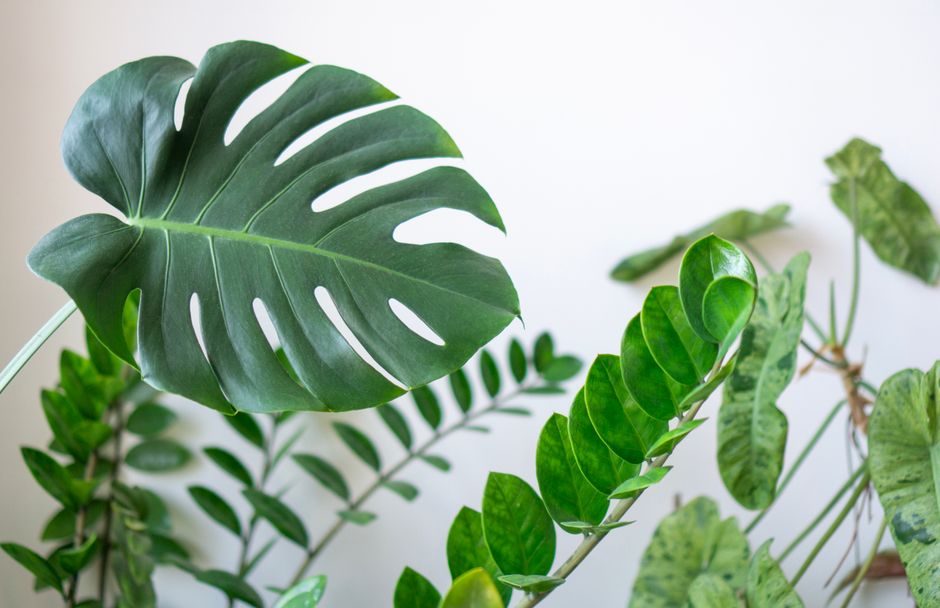
ZZ Plant is equally bulletproof. This tropical plant has glossy, dark green leaflets that look sophisticated without requiring much effort. It thrives in low to moderate light and handles irregular watering beautifully. ZZ plants are slow growers, so you won’t need to repot them often.
Pothos is the plant people recommend when they actually want you to succeed. It tolerates low light (including the corner of your home office), and it bounces back quickly if you forget to water it. You can let it climb up a moss pole or drape from a shelf. It’s flexible in every sense.
Cast Iron Plant earned its name for a reason. This tropical plant was named for its ability to withstand harsh conditions. Low light, irregular watering, temperature fluctuations—it handles all of it. If you have a north-facing room or a shaded spot that you want to green up, cast iron plant is your answer.
Why These Plants Work in Austin Specifically
Austin’s indoor environment is unique. Your air conditioning runs hard most of the year, which creates low humidity. Your homes often have mixed lighting—some spaces are bright and sunny, others are dim. You’re busy. You travel. You forget things sometimes.
Related: Best Indoor Plants for Commercial Spaces Austin 2026: Top 6 Ranked
The tropical plants we mentioned above tolerate all of these realities. They don’t need the constant moisture that tropical rainforest plants usually expect. They adapt to low light instead of sulking. They’re forgiving when your watering schedule gets irregular.
One thing to keep in mind: even though these plants are tough, they still need some light and occasional water. Putting a snake plant in a completely dark closet will eventually kill it. But tucking it into a corner with indirect light? That works perfectly.
Light and Water Guidelines for Austin Homes
Here’s where many people go wrong. They assume tropical plants need constant moisture because they’re “tropical.” That’s not how this works in your home.
Light: Most of these plants do fine in medium, indirect light. That means light that bounces off a wall rather than direct sun streaming through a window. A room with north-facing windows is ideal. East-facing is great too. If your space gets afternoon sun from the west, filter it with a sheer curtain to prevent leaf burn.
Water: This is the biggest mistake Austin homeowners make. Your indoor air is dry, which means soil dries out faster than you’d expect. But that doesn’t mean these plants want wet feet. Water when the top inch of soil feels dry to the touch. Stick your finger in the soil—if it’s moist, wait another few days. In Austin’s summer, that might be once a week. In winter, maybe once every three weeks.
The goal is consistency, not frequency. A plant that gets watered deeply once a week is happier than one that gets tiny sips every other day.
Temperature and Humidity Considerations
Austin summer heat is no joke, but your air-conditioned indoor spaces are actually ideal for these tropical plants. Most prefer temperatures between 65-75°F, which is exactly what your thermostat is set to.
Low humidity is the real adjustment. Your home might sit at 30-40% humidity, while tropical plants often prefer 50%+. Here’s the honest truth: snake plants, ZZ plants, pothos, and cast iron plants tolerate low humidity just fine. They’re adapted to handle it.
If you want to boost humidity slightly, group plants together (they create a microclimate), mist occasionally, or place a pebble tray under the pot. But honestly? These plants are fine without it. That’s why they work for Austin homes.
Choosing Planters and Soil
Get a pot with a drainage hole. This is non-negotiable. Without drainage, water pools at the bottom and roots rot. That’s the only way these “nearly indestructible” plants actually die.
Use a well-draining potting mix. Standard indoor potting soil works, but a blend with orchid bark or perlite helps water move through faster. In Austin’s dry climate, you want soil that drains quickly so you’re not tempted to overwater.
The pot size matters too. A pot that’s one size larger than the current one is perfect. If you jump to a huge pot, excess soil holds moisture and invites root rot.
Where to Place Tropical Indoor Plants in Your Austin Home
Think about the light and traffic in each room. Your bedroom might be the perfect spot for a snake plant or ZZ plant because they tolerate lower light. Your home office with a north-facing window is ideal for pothos. A hallway with indirect light? Cast iron plant will thrive there.
Avoid placing plants directly in front of air conditioning vents or near heating sources. Temperature swings stress plants, even tough ones.
If you’re uncertain about placement or want a customized plan for your specific home layout, Nature Indoors specializes in helping Austin homeowners design indoor plant spaces that actually fit their homes and schedules.
Related: Indoor Greenery Design for Austin Retail Spaces
Starting Your Tropical Indoor Plant Collection

Begin with one or two plants. Pick the one that speaks to you or fits your space best. Get it settled, learn how it responds to your specific light and water routine, then expand from there.
Watch your plant for a month or two. Notice when the soil dries out. Observe the lighting at different times of day. Learn your home’s microclimate. Once you understand these basics, adding more plants becomes intuitive.
The beauty of tropical plants like these is that success builds confidence. Your first snake plant becomes two, then you add a pothos to your office, and suddenly your home feels alive. That’s when indoor plants stop being a decorating choice and become part of how you actually live.
Seasonal Care Adjustments
Austin’s seasons shift how you care for tropical indoor plants. In summer, your air conditioning is blasting, which dries soil faster and lowers humidity more. You might water slightly more often, but not much—every 7-10 days instead of every 10-14 days.
In winter, growth slows down. Plants need less water and less fertilizer. Watering every 2-3 weeks is typical. Watch for the signs your plant actually needs water rather than following a rigid schedule.
One advantage: Austin doesn’t get freezing cold indoors, so you won’t have temperature shock from windows or doors. Your plants stay more consistent than they would in a climate with harsh winters.
Common Mistakes to Avoid
Overwatering is the number one killer. Your Austin air is dry, your soil drains well, and these plants are forgiving. Trust that. Wait until soil is actually dry before watering.
Putting plants in spaces with zero light won’t work. “Low light” doesn’t mean darkness. It means indirect light or a room without direct sun. There’s a difference.
Changing plant locations constantly stresses them. Pick a spot and give it 4-6 weeks to adjust before moving it.
Ignoring the drainage hole is the only guaranteed way to fail. Even the toughest tropical plant dies with soggy roots.
Next Steps: Professional Help if You Want It
If you want to go deeper—maybe you want a whole room designed with tropical plants, or you need ongoing maintenance because you travel frequently—Nature Indoors offers custom indoor plant design and maintenance services tailored to Austin homes. But honestly, the plants we’ve covered here are approachable enough that you can absolutely succeed on your own with a little intention and observation.
Related: Low Maintenance Indoor Plants for Austin Homes
People Also Ask
Can tropical plants survive in Austin’s low humidity?
Yes, the varieties we’ve covered—snake plant, ZZ plant, pothos, and cast iron plant—all tolerate low humidity well. They’re adapted to handle it better than other tropical plants. You don’t need a humidifier, though misting occasionally or grouping plants together can help slightly if you want.
Do tropical indoor plants need direct sunlight in Austin?
No. These plants prefer indirect light. Direct afternoon sun, especially through west-facing windows, can actually bleach or burn leaves. Morning light or light filtered through a sheer curtain is perfect for Austin homes.
How often should I water tropical plants in Austin?
Check the soil first. Water when the top inch feels dry. In Austin’s dry climate, that’s usually every 7-14 days in summer and every 14-21 days in winter. Never follow a fixed schedule—let the plant tell you when it’s thirsty.
Are tropical plants expensive to buy and maintain?
No. The starter plants we’ve mentioned are affordable and low-maintenance. You’ll spend more on a nice pot than on the plant itself. After that, you just need occasional water and basic care. They don’t require special fertilizers or equipment.