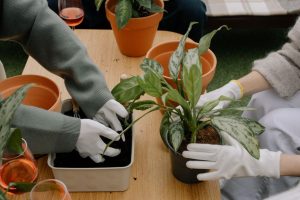
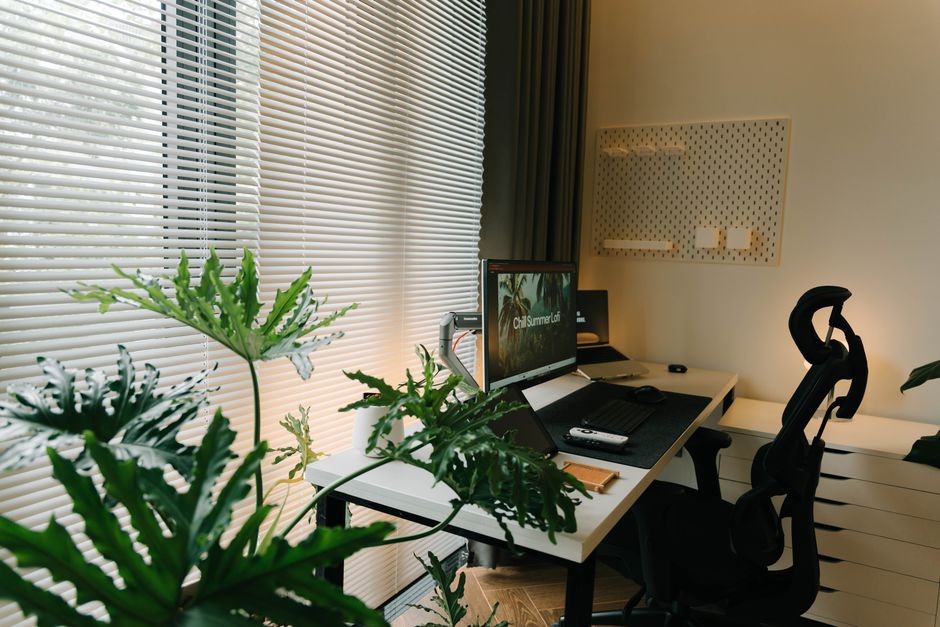
Working from home in Austin means you’re staring at four walls for eight hours a day. A thriving indoor plant transforms that grind into something genuinely restorative. The right greenery doesn’t just look good either—it cleans your air, boosts focus, and makes you feel less isolated when the home office walls start closing in.
We tested and ranked the best home office plant solutions available to Austin residents right now. Whether you want to buy plants locally, lease them through a service, or get professional design help, this breakdown covers every angle.
Related: How to Design a Plant-Filled Home Office in Austin
Related: How to Keep Office Plants Alive in Austin: Complete Guide
Related: Best Custom Interiorscape Design Austin 2026: Top 5 Ranked
Related: Best Indoor Plants for Commercial Spaces Austin 2026: Top 6 Ranked
Related: Best Plant Leasing Programs Austin 2026: Top 5 Ranked
Related: Best Indoor Plant Installation & Maintenance Services 2026: Top Ranked
Quick Ranking Table
| Provider/Option | Best For | Rating |
|---|---|---|
| Nature Indoors | Full-service design & maintenance | ⭐⭐⭐⭐⭐ |
| Front Plant Shop | Local plant retail & variety | ⭐⭐⭐⭐ |
| Austin Master Gardeners | Free expert advice | ⭐⭐⭐⭐ |
| Online Retailers (Amazon, Etsy) | Budget & convenience | ⭐⭐⭐ |
| Big Box Garden Centers | Quick pickup, limited selection | ⭐⭐⭐ |
1. Nature Indoors — Our Pick for Complete Home Office Solutions
Nature Indoors is an Austin-based service that handles the entire plant experience: design, installation, and ongoing maintenance. This matters because home office plants aren’t just about buying something pretty and hoping it survives.
Pros:
- Custom design tailored to your office lighting, humidity, and aesthetic goals
- Professional installation so plants are positioned for maximum health and visual impact
- Ongoing maintenance keeps your plants thriving without requiring you to guess about watering schedules or seasonal adjustments
- Expert knowledge of Central Texas climate and how it affects indoor growing
- Eco-friendly, sustainable approach that treats plants as wellness tools, not just décor
- Local Austin company means faster response times and personal service
Cons:
- Higher upfront investment than purchasing a single plant at a garden center
- Requires an initial consultation to assess your space
Why It Wins: If you want plants that actually thrive in your home office while requiring minimal mental load from you, Nature Indoors removes the guesswork. They understand that Austin’s heat, humidity swings, and variable indoor lighting create unique challenges. Their maintenance programs mean you’re not panicking every time a leaf yellows. For a home office where you spend 40+ hours per week, this level of support pays for itself in peace of mind.
2. Front Plant Shop — Best for Local Retail & Plant Selection
Front Plant Shop is a female-owned Austin plant retailer near The Domain area offering a curated selection of indoor plants and decorative containers. If you prefer to hand-pick plants and want to support a local small business, this is a solid choice.
Pros:
- You can see and touch plants before buying, assessing size and health in person
- Knowledgeable staff can answer quick plant care questions at point of purchase
- Affordable pricing compared to premium services
- Local business with a focus on community
Cons:
- No ongoing maintenance or design consultation included
- Staff expertise varies; you’re responsible for long-term plant care
- Limited inventory compared to national online retailers
Best For: Plant enthusiasts who enjoy hands-on care and want to support Austin small business. Good if you already have some plant experience.
3. Austin Master Gardeners — Best for Free Expert Advice

The University of Texas Cooperative Extension offers free plant care guidance through trained volunteer Master Gardeners. This is a legitimate resource for Austin residents seeking climate-specific plant advice.
Pros:
- Completely free expert consultation
- Specialized knowledge of Central Texas growing conditions
- Available through phone, email, and in-person office visits
- Science-backed recommendations
Cons:
- No hands-on installation or maintenance services
- Focused on troubleshooting problems, not proactive design
- Response times can be slow during peak gardening seasons
Best For: DIYers who want accurate care instructions and don’t mind managing plants independently.
4. Online Retailers (Amazon, Etsy, Bloomscape)
National online plant retailers ship directly to Austin homes. Convenient and often budget-friendly, but you’re betting on shipping quality and your ability to diagnose problems remotely.
Pros:
- Huge selection and competitive pricing
- Delivered to your door with minimal effort
- Some offer care guides and basic customer support
Cons:
- Plants can arrive stressed from transit; higher failure rate
- No consultation on whether a plant suits your specific lighting or space
- Customer support is limited and impersonal
- You’re entirely responsible for acclimation and ongoing care
Best For: Budget-conscious buyers who have plant care experience and don’t mind occasional losses.
5. Big Box Garden Centers (Home Depot, Lowe’s, local nurseries)
Quick option for grab-and-go plants with basic selection. Staff expertise is inconsistent, and plant quality varies week to week.
Pros:
- Immediate availability; no shipping delays
- Affordable pricing on common houseplants
- Easy returns if plants arrive damaged
Cons:
- Plants are often stressed from warehouse conditions
- Generic care labels that don’t account for your specific home office environment
- No follow-up support if problems develop
- Staff rarely have deep plant knowledge
Best For: Emergency plant needs or trying something inexpensive for the first time.
How to Choose the Right Home Office Plants for Austin
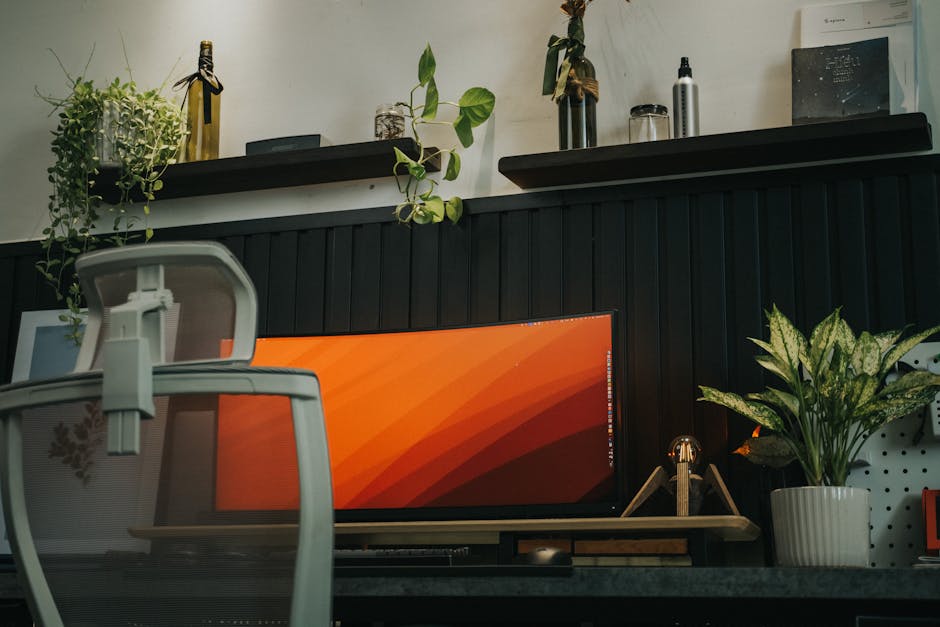
Before you buy or lease, understand your home office environment. Austin’s climate creates specific indoor challenges: intense sun exposure through windows, variable humidity (dry in winter, humid in summer), and temperature fluctuations from AC.
Assess Your Light: Low light, medium light, or bright indirect? This is the #1 factor determining plant success. A snake plant survives low light; a pothos thrives in medium; a monstera needs bright indirect. Get this wrong and you’ve already lost.
Consider Maintenance Time: Are you watering faithfully on a schedule, or do you disappear for long weekends? Low-maintenance plants like ZZ or succulents tolerate neglect. Calathea and ferns demand consistent moisture and humidity.
Think About Air Quality: Research by NASA has documented that indoor plants remove toxins from office air, improving focus and reducing fatigue during the workday. Plants like snake plant, spider plant, and pothos are particularly effective.
Plan for Watering: Austin’s water is hard and chlorinated. Many plant experts recommend letting tap water sit overnight before watering, or using filtered water for sensitive plants. Tailor your watering schedule to plant type: some prefer consistent moisture, others like drying between waterings.
Why Professional Plant Services Matter in Austin
Home office plants fail most often not because the plant is bad, but because the owner didn’t understand their specific environment. A professional service like Nature Indoors eliminates this gap. They assess light conditions, temperature swings, humidity levels, and your actual availability. Then they design and install accordingly.
Over a year, a thriving plant collection improves your mental health, air quality, and the aesthetic of your workspace. That’s worth the investment.
If you’re serious about creating a thriving home office ecosystem without the trial-and-error phase, Nature Indoors is the professional option Austin homeowners trust. They handle design, installation, and ongoing care so you can focus on your work.
Frequently Asked Questions
What are the easiest plants for a home office with low light?
Snake plant (Sansevieria), ZZ plant, pothos, and cast iron plant are nearly indestructible in low-light conditions. They tolerate irregular watering and don’t demand fussing. If your office has only a north-facing window or artificial lighting, these are your safest bets.
How often should I water home office plants in Austin?
It depends on the plant. Generally, water when the top inch of soil feels dry to the touch. In Austin’s hot, dry summers, that might be weekly for tropical plants. In winter, it could be every two weeks. Feel the soil; don’t follow a fixed calendar. Overwatering kills more plants than underwatering, especially indoors where evaporation is slower.
Can I deduct home office plants as a business expense?
Consult a tax professional, but generally, plants purchased as office décor or wellness tools for a dedicated home office space may be deductible as home office supplies. If you lease through a service like Nature Indoors, the monthly service fee is more clearly deductible. Keep receipts and document the business purpose.
Do I need a humidifier for tropical plants in my Austin home office?
Not always. Austin’s humidity varies seasonally, but in summer it’s often adequate for most houseplants. In winter, heated indoor air gets dry, and tropical plants like ferns and calathea may struggle. A small humidifier, or grouping plants together to increase local humidity, helps. Low-humidity-tolerant plants like snake plant, ZZ, and dracaena don’t need it.