If you’re searching for the best plants for air purification in Austin homes, you’re on the right track. Indoor air can trap pollutants, dust, and stale air, especially in our sealed-up homes during hot Texas summers. The good news? Several hardy houseplants naturally filter your air while looking gorgeous doing it.
The most effective air-purifying plants are also some of the easiest to care for. That means you don’t need a green thumb to get real results. Let’s walk through which plants work best in Austin homes and why they belong in yours.
The Top Air-Purifying Plants for Austin Homes
Spider plants are the MVP of air purification. They’re practically indestructible, tolerate a wide range of light conditions, and actively clean your air. They also produce baby plantlets, so one plant can multiply into many. If you’ve ever killed a houseplant, start here.
Snake plants are another powerhouse. They’re drought-tolerant, need minimal light, and work around the clock to filter toxins. They’re perfect for bedrooms, offices, or any corner where you forget to water things. Snake plants thrive on neglect.
Peace lilies combine serious air-purifying power with stunning white flowers. They actually droop when they need water, so they tell you exactly when to water them. This makes them incredibly forgiving for busy Austin homeowners. They also prefer lower light, making them ideal for offices and living rooms away from windows.
Golden pothos is a trailing vine that purifies air while adding visual softness to shelves and hanging planters. It’s nearly impossible to kill, tolerates low light, and grows quickly. Many people love it on a bookshelf or hanging from a bedroom corner.
If you want to skip the guesswork and get a customized setup, Nature Indoors can design and install an air-purifying plant collection specifically matched to your Austin home’s layout and lighting.
Other Excellent Air-Purifying Options
Rubber plants are statement pieces that actually purify the air. They grow tall and bold, so they work well in living rooms or entryways. They need bright, indirect light and occasional watering.
Dracaena ‘Janet Craig’ is sleek and architectural. It handles low light beautifully and grows slowly, so it won’t overtake a room. It’s a solid choice for minimalist Austin spaces.
English ivy is a gorgeous trailing plant that works in hanging baskets or as a living wall accent. It softens spaces while filtering air. It prefers cooler temperatures and consistent moisture, so keep it away from heating vents.
Boston ferns add lush texture to humid spaces like bathrooms. They need more frequent watering and humidity than other options, but the payoff is that full, verdant look.
Areca palms bring tropical vibes to larger rooms and open spaces. They’re taller plants that make a design statement while improving air quality. They appreciate bright, indirect light.
Fiddle-leaf figs are trendy for a reason. They’re beautiful, they purify air, and they add architectural interest to corners and near windows. They need consistent light and care, but the visual impact is worth it.
Aloe vera (sometimes called hedgehog aloe) is a succulent that purifies air and has healing gel for minor cuts and burns. It needs bright light and infrequent watering, making it perfect for sunny Austin windowsills.
How Many Plants Do You Actually Need?
One plant helps, but multiple plants work better. The more air-purifying plants you have throughout your home, the more effective the overall air quality improvement. Think about mixing different types across your rooms.
A good approach is to place one large plant like a rubber plant or fiddle-leaf fig in your living room or bedroom. Add a smaller plant like a spider plant or snake plant on a shelf or desk. Use trailing plants like pothos to add greenery to vertical spaces. This layered approach keeps your air fresher and creates visual interest.
Austin’s warm, often-dry climate means most of these plants will do well indoors with consistent, moderate light. The key is matching the plant to your room’s actual light conditions, not what you hope they are.
Caring for Your Air-Purifying Plants
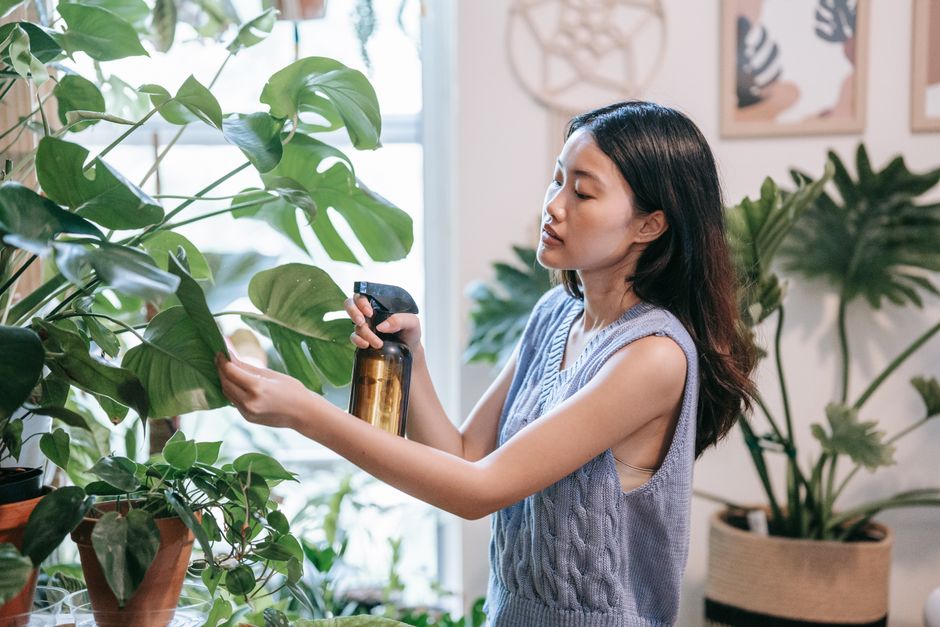
The beauty of these plants is that they don’t demand much. Most prefer indirect light, which means they’ll thrive a few feet back from a window or in a room with steady ambient light. Direct afternoon sun through a south or west-facing window can actually stress some of them.
Watering is where people get nervous, but the rule is simple: most air-purifying plants prefer to dry out slightly between waterings. Overwatering kills more houseplants than underwatering ever will. Touch the soil with your finger. If it feels dry an inch down, water. If it’s still moist, wait.
Austin’s low humidity can stress tropical plants like ferns. If you go that route, group plants together, mist occasionally, or place them in a bathroom where shower steam adds moisture. Snake plants, pothos, and dracaenas laugh at low humidity.
Dust the leaves gently every month or so. Clean leaves absorb more light and air, so they work harder for you. Use lukewarm water and a soft cloth, or give them a gentle shower in the bathtub.
If you’d rather have a professional handle the design and ongoing care, Nature Indoors offers custom interiorscape design and maintenance services for Austin homes. We handle everything from selecting the right plants for your space to keeping them thriving year-round.
Related: Best Tropical Indoor Plants for Austin Homes
Related: Pet Safe Indoor Plants for Austin Homes
Building Your Air-Purifying Plant Collection
Start with one or two plants that match your lifestyle. If you travel or forget to water things, go with snake plants or pothos. If you’re home often and want to stay involved, try a peace lily or Boston fern. Add more plants gradually as you get comfortable.
Group plants in rooms where you spend the most time: bedrooms, home offices, and living rooms. These are the spaces where cleaner air makes the biggest difference to your wellness.
Don’t overthink placement. Put plants where they look good and get the right amount of light. Adjust as needed. If a plant starts looking droopy or pale, it’s telling you it wants different light. Listen to it and move it.
Austin’s year-round warmth is actually a huge advantage for indoor plants. Most thrive in our indoor temperatures. Winter doesn’t kill them like it does in colder climates, so you can maintain lush greenery indoors all year.
Building a beautiful, air-purifying collection transforms your home into a healthier, more intentional space. Plants aren’t just décor. They’re living improvements to the air you breathe and the mood of your rooms.
Getting Started Today
Pick one plant this week. Walk into a local nursery or garden center with this list and choose something that speaks to you. Put it in a spot with good light and water it when the soil feels dry. Notice how it looks, how your space feels, and how easy it is to care for.
Then add another plant next week or next month. This slow, intentional approach builds a collection you actually love instead of a cluttered mess you feel obligated to maintain.
If you want expert guidance tailored to your Austin home’s specific lighting, layout, and style, Nature Indoors can help. We design custom plant plans that fit your life, install them, and keep them healthy so you can focus on enjoying them.
How fast do these plants purify air?
Most air-purifying plants work continuously, but results aren’t instant. You’ll notice fresher air and improved humidity over weeks to months as your collection grows. The more plants you have, the more noticeable the effect. Think of them as a long-term wellness investment, not a quick fix.
Can I use these plants in a dark corner?
Some of them, yes. Snake plants, pothos, dracaenas, and peace lilies tolerate low light better than others. Avoid planting spider plants or Boston ferns in dark corners. If a room has no natural light at all, plants won’t survive. Even low-light plants need some ambient light.
Are these plants safe for pets?
Most are pet-safe, but not all. Peace lilies, pothos, dracaenas, and areca palms can be toxic if eaten by dogs or cats. Spider plants, Boston ferns, and aloe vera are generally safe. If you have curious pets, research each plant or choose exclusively from the safe list. Your vet can tell you which plants are safe for your specific animals.
What’s the best room to start with?
Start in your bedroom. You spend a third of your life sleeping, so better air quality where you rest pays real dividends for sleep and wellness. A snake plant, pothos, or peace lily in a bedroom is an easy win. Then expand to your home office or living room.