If you work in a healthcare office—whether it’s a busy clinic, a hospital wing, or a therapist’s practice—you know how much the environment matters. Patients are stressed. Staff are burnt out. Visitors are anxious. Adding greenery isn’t just décor; it’s a wellness strategy. Commercial plant design for healthcare offices uses biophilic design principles (basically, bringing nature indoors) to transform sterile, stressful spaces into calming environments where people feel safer, more at ease, and genuinely healthier.
The right plants, placed strategically, reduce cortisol levels, improve air quality, and create a visual break from fluorescent lights and beige walls. Here’s how to approach it—whether you’re redesigning a waiting room, a patient recovery area, or the back-of-house staff spaces.
Why Healthcare Offices Need Thoughtful Plant Design
Healthcare environments are uniquely stressful. Patients arrive anxious. Staff work long shifts in artificially lit rooms. Visitors feel helpless. Research into wellness environments consistently shows that exposure to greenery lowers blood pressure, reduces anxiety, and creates a sense of calm.
But here’s the thing: you can’t just throw a random ficus in the corner and call it done. Healthcare spaces have specific challenges. They need low-maintenance plants that won’t harbor bacteria, they require designs that don’t interfere with medical equipment or traffic flow, and they demand aesthetics that feel intentional—not like someone raided a garden center.
That’s where custom commercial plant design comes in. When you work with a professional who understands both plant care and healthcare environments, you get a cohesive plan that addresses lighting, humidity, patient flow, staff wellness, and visual balance all at once. Nature Indoors specializes in exactly this kind of tailored approach for commercial healthcare spaces.
Step 1: Assess Your Healthcare Office Layout and Lighting
Before choosing a single plant, walk through your space like you’re seeing it for the first time. Where does natural light come in? Which areas stay dim all day? Are there windows, skylights, or only fluorescent overhead lighting?
This matters because different plants have wildly different light needs. A waiting room with northern-facing windows can handle low-light tolerant plants like pothos or snake plants. A bright, south-facing corridor with plenty of sun can showcase more dramatic, light-loving plants like bird of paradise or fiddle leaf fig.
Most healthcare offices have mixed lighting zones. Patient rooms might be dim and controlled. Hallways might be bright and sterile. Reception areas might have windows plus overhead lights. Your design should respect these zones and choose plants accordingly. A plant dying slowly in the wrong light is worse than no plant at all—it signals neglect and creates stress, not calm.
Step 2: Choose Low-Maintenance, Hardy Plants
Healthcare staff don’t have time to mist leaves or troubleshoot plant problems. You need species that are tough, forgiving, and stay healthy with minimal fussing.
These plants are goldstars for healthcare offices:
- Snake plant (Sansevieria): Nearly impossible to kill. Tolerates low light and irregular watering. Architectural and modern-looking. Great for patient rooms and hallways.
- Pothos: Thrives in low to medium light. Can trail or climb. Adds softness without demanding attention. Perfect for corners and shelves.
- ZZ plant: Glossy, sophisticated, and incredibly resilient. Handles low light and dry air. Works well in formal reception areas.
- Parlor palm: Tropical feel without fussiness. Tolerates moderate light. Brings height and drama to waiting rooms without being high-maintenance.
- Dracaena (various types): Clean lines, low-maintenance, available in many sizes and styles. Fits modern healthcare aesthetics.
- Philodendron: Similar vibe to pothos. Heart-shaped leaves feel softer and less clinical. Does well in various light conditions.
Avoid plants that shed excessively (ficus), require constant humidity adjustments, or have high watering needs. In a healthcare setting, consistency beats complexity every time.
Step 3: Plan Your Design Around Function and Flow

This is where commercial plant design gets strategic. You’re not just decorating; you’re solving problems.
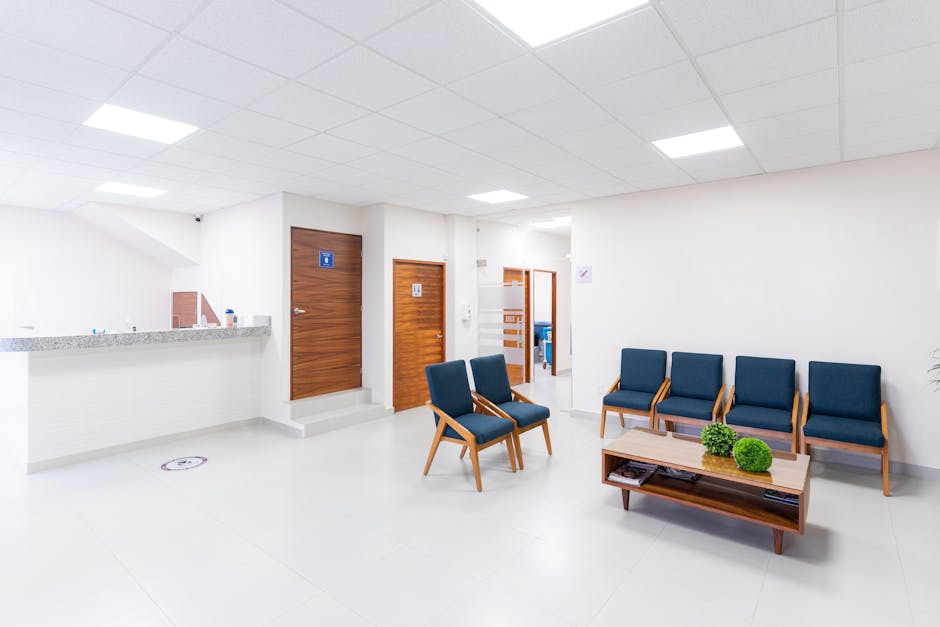
Waiting rooms: Use larger plants or grouped planters to create visual interest and break up sightlines. A cluster of plants in the corner draws the eye away from clinical furniture and makes the space feel intentionally designed. Tall plants (like a parlor palm) can create a sense of enclosure, which psychologically feels safer.
Patient rooms: Keep plants small or tabletop-sized. A single, low-maintenance plant on a windowsill adds life without clutter. Avoid anything with trailing vines that could get in the way of medical equipment or patient movement.
Staff areas: Don’t forget the people who work there. A small plant on a nurse’s station, a pothos on a break room shelf, or a tall plant in the staff bathroom signals that wellness matters to everyone—not just patients. This improves morale and retention.
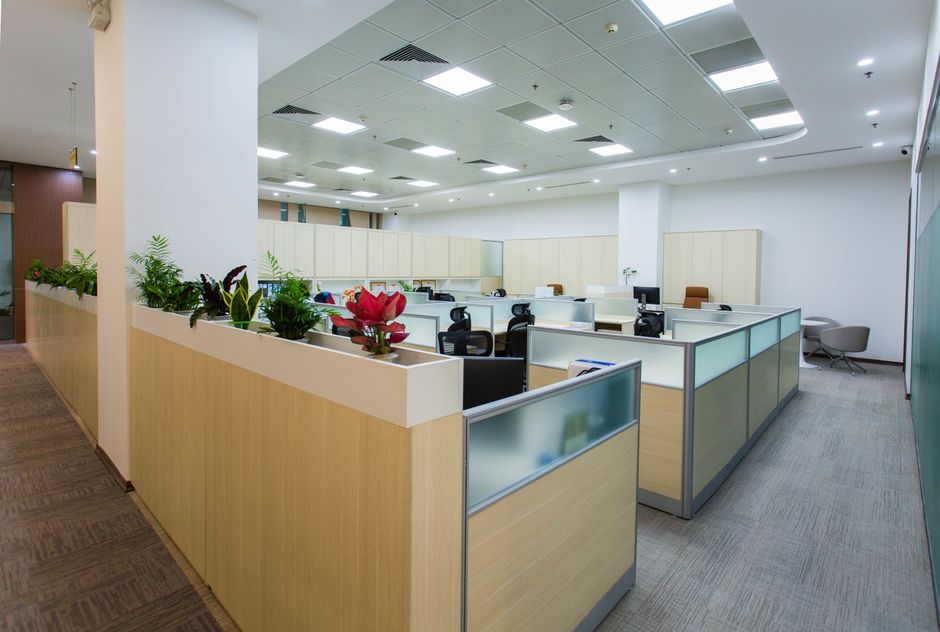
Hallways and corridors: These are usually low-light zones. Wall-mounted plants or small floor planters at intervals create rhythm and warmth without creating obstacles. Think of them as visual anchors that break up the monotony.
Step 4: Consider Maintenance and Ongoing Care
A plant design is only as good as its maintenance plan. Healthcare offices operate on tight schedules. If no one is assigned to water and care for plants, they’ll decline—and a dying plant is worse than an empty space.
You have options here. Some healthcare offices assign a staff member a few minutes each week for plant care (perfectly doable with hardy species). Others prefer to outsource the responsibility entirely, which keeps plants thriving without adding to anyone’s workload.
If you want professional continuity and guaranteed healthy plants without the staff burden, commercial plant maintenance services take the guesswork out. Someone shows up regularly, waters appropriately, removes dead leaves, and replaces any plants that aren’t thriving. Your office always looks intentional and alive.
Step 5: Choose Planters That Match Your Healthcare Aesthetic
The container matters as much as the plant. A beautiful plant in a chipped, mismatched pot reads as careless. A hardy plant in a thoughtful, cohesive planter reads as intentional design.
For healthcare offices, consider:
- Neutral, modern planters: White, gray, or natural wood feel clean and professional. They complement any healthcare aesthetic without competing for attention.
- Consistent materials: If you use ceramic in one area, use ceramic throughout. If concrete in one zone, echo it elsewhere. Consistency creates cohesion.
- Size appropriately: A small plant in an oversized planter looks neglected. A huge plant in a tiny planter looks squeezed. Match the scale.
- Skip novelty pots: Cute animal-shaped pots or bright colors distract from the clinical environment you’re trying to balance, not amplify.
Step 6: Think About Patient and Staff Psychology
Biophilic design works because our brains are wired to respond to natural elements. Greenery signals safety, growth, and care. It lowers cortisol (the stress hormone) and increases focus.
In a healthcare setting, this matters profoundly. A waiting room with plants feels less like you’re about to receive bad news. A patient recovery room with a window plant gives your eyes something living to rest on. A staff break room with greenery becomes a genuine refuge, not just a microwave and sink.
The key is strategic placement. You want plants visible from where people spend time—not hidden behind a door or tucked in a corner no one sees. If a patient can see a living plant from their bed, the psychological benefit is real. If staff walk past greenery every time they go to the supply closet, it becomes a tiny moment of calm in a chaotic day.
Custom Design: The Tailored Approach
Every healthcare office is different. A pediatric clinic needs a different vibe than a geriatric facility. A therapy practice needs different energy than an urgent care. A hospital recovery wing needs different solutions than an administrative office.
That’s why cookie-cutter plant designs don’t work. Your commercial plant design should be custom-built for your specific space, lighting conditions, staff capacity, and wellness goals. It should reflect your healthcare office’s values and feel like part of your brand—not an afterthought.
If you’re ready to invest in a thoughtful, professional plant design tailored to your healthcare office, Nature Indoors offers custom interiorscape design and ongoing maintenance for commercial healthcare spaces throughout the Austin area. They’ll assess your layout, recommend hardy species suited to your light and staff capacity, and create a design that enhances both aesthetics and wellness.
Related: Commercial Plant Design for Retail Spaces in Austin
Related: Indoor Plant Design for Apartment Living: Complete Guide
Related: Residential Plant Design Consultation Austin: Complete Guide
People Also Ask
What plants are best for healthcare offices with low light?
Snake plant, pothos, ZZ plant, and peace lily are all excellent low-light choices. They tolerate dim fluorescent-lit spaces without struggling. Snake plant and ZZ plant are particularly hardy and require minimal water, which makes them ideal for busy healthcare environments where attention is inconsistent.
How often should plants in a healthcare office be watered?
It depends on the plant species and your local humidity, but most hardy healthcare office plants (snake plant, pothos, ZZ plant) prefer to dry out between waterings. A general rule: check the soil once a week. If the top inch is dry, water. If it’s still moist, wait. In a healthcare setting, underwatering is usually safer than overwatering—most of these species are drought-tolerant.
Can plants in healthcare offices spread bacteria or infections?
Plants themselves don’t spread bacteria that affects humans, but healthcare settings require cleanliness protocols. Choose plants with smooth leaves that can be wiped down easily (like ZZ plant and snake plant). Avoid plants with lots of fuzzy or delicate foliage that traps dust. Keep planters clean and don’t overwater, which can create mold. Use professional-grade potting soil and well-draining containers to prevent soil-borne issues.
Is a plant rental or purchase program better for healthcare offices?
That depends on your budget and staff capacity. Purchasing plants is cheaper upfront but requires you to manage care, replacements, and seasonal adjustments. A rental or lease program means a professional handles all maintenance, replaces struggling plants, and guarantees your design stays vibrant year-round. For busy healthcare offices, the peace of mind and consistent aesthetics often justify the service cost.