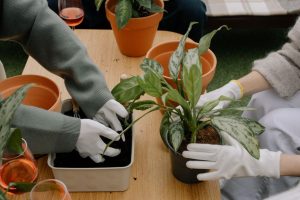
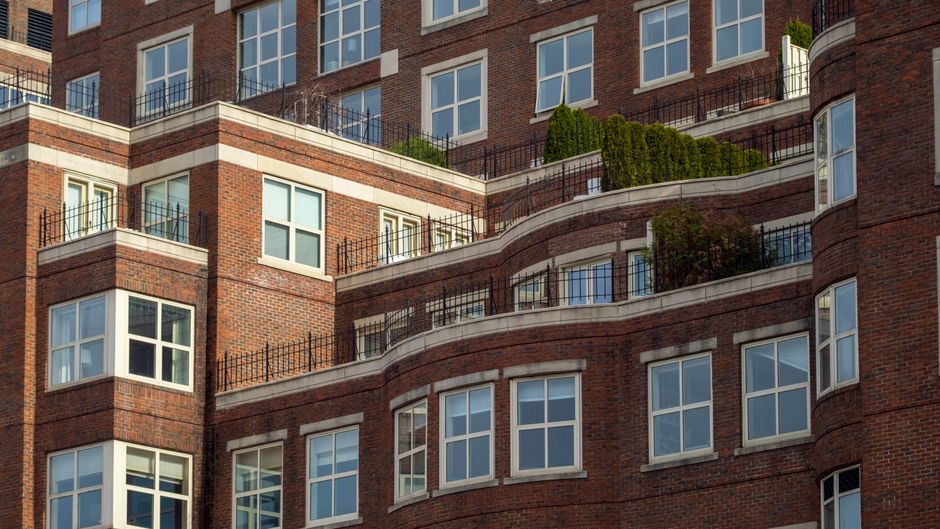
When you manage an apartment complex, creating an inviting environment matters. Residents want to live somewhere that feels fresh, calm, and intentional. That’s where a plant care service for apartment complexes comes in. These services handle the entire plant lifecycle—from picking the right greenery for your space to keeping every leaf thriving month after month. You get the aesthetic and wellness benefits of indoor plants without the stress of managing them yourself.
What Does a Plant Care Service Actually Do?
A full-service plant care provider does way more than just water plants. Here’s what you’re really getting:
- Design and installation: Professionals assess your lobby, common areas, and building layout, then recommend plants that fit your lighting, humidity, and aesthetic goals.
- Delivery: They bring plants to your complex and get everything positioned exactly where it needs to be.
- Routine maintenance: Regular watering schedules, leaf cleaning, and soil monitoring happen on a predictable calendar.
- Health inspections: Trained technicians spot problems early—yellowing leaves, pest issues, root rot—before they become disasters.
- Expert guidance: You get personalized advice on which plants thrive in your building’s conditions and how to keep residents happy with their interiors.
The goal isn’t just to have plants sitting around. It’s to have plants that actually survive, look beautiful, and make your residents feel more at home.
Why Apartment Complexes Need Professional Plant Care
Managing plants in a multi-unit building is different from having a few pots at home. You’re dealing with multiple environments, shared spaces, and the reality that most residents either don’t know how to care for plants or don’t have time.
Common areas like lobbies, hallways, and courtyard seating need consistent, expert attention. If a plant dies in a resident’s unit, that’s their problem. If a plant dies in the lobby, it reflects on your entire complex. Professional plant care takes that pressure off you.
A trained technician knows which plants handle low light (perfect for hallways), which ones tolerate temperature swings from heating and cooling systems, and which varieties add visual impact without being finicky. They also create a schedule you can count on, so plants get watered whether you remember or not.
Key Services to Look For
Not all plant care services are equal. Here’s what separates the good ones:
- Custom design consultation: They don’t just plop plants randomly. They ask about your vision, the building’s architecture, and the vibe you want to create.
- Environmental assessment: Light levels, humidity, air quality, and temperature get evaluated for each space. Plant selection happens after that analysis, not before.
- Ongoing monitoring: Inspections aren’t once a year. They happen regularly so issues are caught early.
- Flexible scheduling: Your complex has busy seasons and slower periods. The service adapts to your needs.
- Plant-specific knowledge: Different plants need different things. A good service knows the details and adjusts care accordingly.
How to Choose the Right Service for Your Building
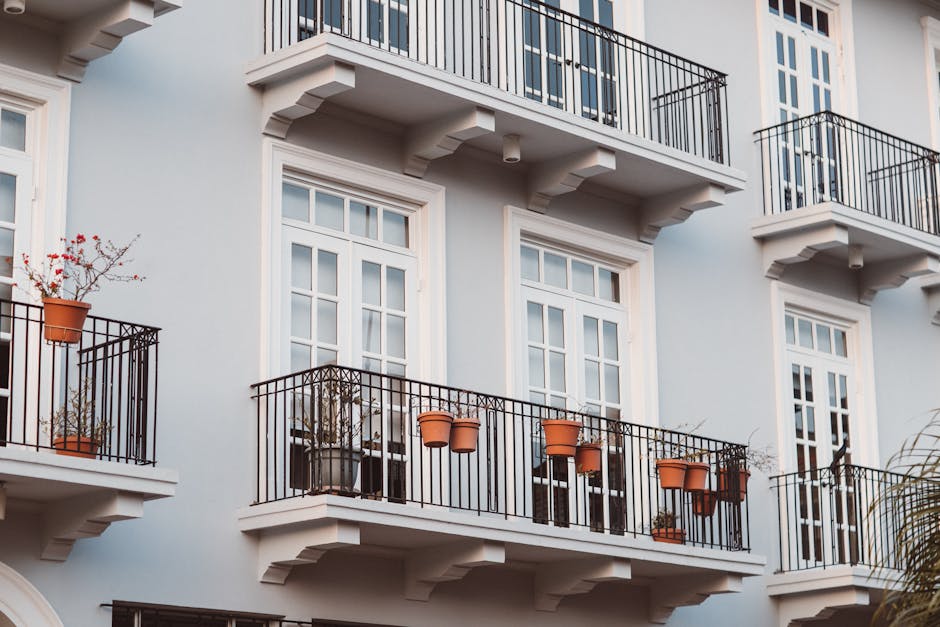
Start by being clear about your goals. Do you want greenery in common areas only, or are you offering plant leasing programs to residents too? Are you looking for low-maintenance, budget-friendly options, or are you willing to invest in showpiece plants that make a real design statement?
Ask potential providers about their experience with apartment complexes specifically. Office plants are one thing. Residential complexes have different rhythms and challenges. You want someone who understands that.
Related: Indoor Plant Design for Apartment Living: Complete Guide
Related: Eco-Friendly Office Plant Care in Austin: A Complete Guide
Related: Plant Care Without Chemicals for Homes: A Complete Guide
Request a site visit. A real professional will walk through your building, ask questions, and come back with specific recommendations—not generic ones. They’ll tell you which spaces are challenging (maybe a windowless hallway) and how they’d solve it.
Check references, but also ask about their process for handling plant emergencies. What happens if a plant gets sick? How quickly do they respond? What’s included in maintenance versus what costs extra?
If you’re new to this, Nature Indoors offers custom design and maintenance services tailored to apartment complex layouts and building conditions—so you’re working with someone who understands residential spaces.
Design Matters More Than You Think
A plant service worth hiring doesn’t just keep plants alive. It designs spaces that make residents feel something.
A tall, leafy plant in the right corner of your lobby can soften hard edges and make the space feel bigger. Trailing plants along a hallway create visual interest. Clusters of varied heights and textures add depth. A single plant in the wrong spot just looks like a plant sitting there.
Good design also considers practical things like walkways, furniture placement, and where residents naturally look when they enter a space. Plants should enhance the path, not obstruct it.
The best plant care services treat this as interior design work, not just plant placement. They think about color, form, and how greenery flows through your building.
Maintenance Schedules and What to Expect
Routine care typically includes weekly or bi-weekly visits, depending on your plant collection and the seasons. During warmer months, plants need more frequent watering. Winter slows growth, so visits might space out slightly.
Each visit usually includes:
- Watering plants based on soil moisture (not just a set schedule).
- Inspecting leaves, stems, and soil for pests, disease, or stress.
- Light pruning and leaf cleaning to keep plants looking fresh.
- Documentation so you have a record of what’s happening.
- Recommendations for adjustments (moving a plant to better light, adjusting humidity, adding or removing plants).
You should receive regular updates—either through photos, reports, or direct communication. Transparency matters. You want to know your plants are thriving, not just surviving.
The Wellness and Aesthetic Benefits for Your Residents
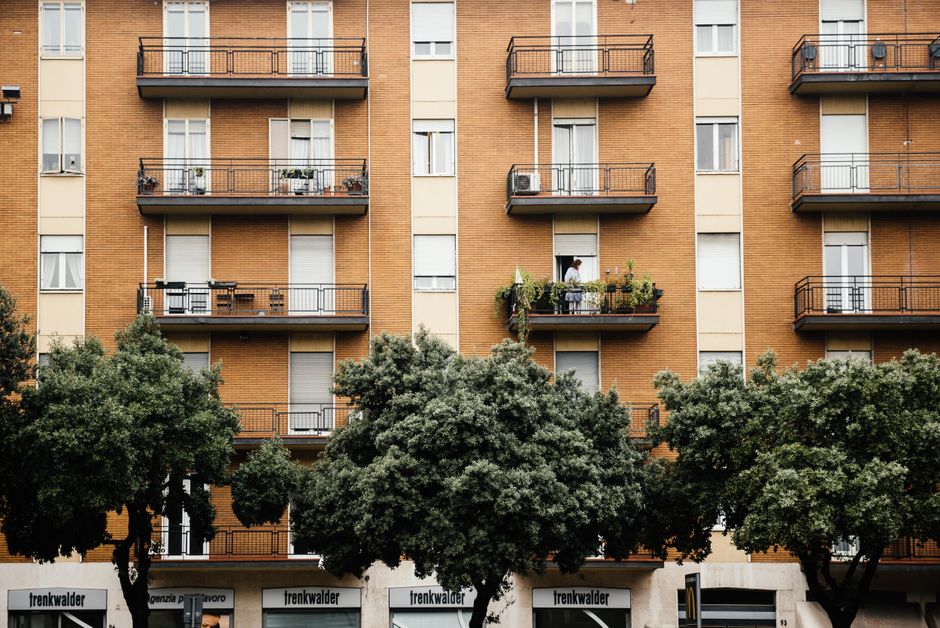
Here’s the thing people don’t always realize: plants aren’t just decoration. They change how people feel about a space. Residents who see green, growing things feel calmer. They perceive your building as better-maintained and more intentional.
Plants improve air quality by absorbing carbon dioxide and releasing oxygen. They reduce noise slightly. They make hallways and common areas feel less institutional and more like home.
When you invest in professional plant care, you’re investing in resident satisfaction and retention. People stay longer in communities where they feel cared for and where the environment supports their wellness.
Common Plant Care Challenges in Apartments
Apartment buildings present specific obstacles. Windows might be small or north-facing (low light). Heating and cooling systems can dry out air. Hallways have temperature swings. Noise from foot traffic and doors slamming stresses some sensitive plants.
A good plant care service knows how to work around these constraints. They choose plants that tolerate lower light. They might recommend humidity-boosting strategies. They position plants away from heating vents. They select hardy varieties that aren’t bothered by noise.
The goal is picking plants that thrive despite the building’s quirks, not fighting the environment.
Getting Started With a Plant Care Service
The first step is reaching out for a consultation. A professional will want to understand your budget, your vision, and what your building’s constraints are. They’ll walk through your spaces and ask questions about light, temperature, and how residents will interact with the plants.
From there, they’ll create a proposal that includes design recommendations, a plant list with care notes, installation timeline, and an ongoing maintenance plan with pricing and scheduling details.
Once you approve the design, installation happens next. Plants arrive and get positioned. After that, it’s hands-off for you—the service takes it from there with regular visits and inspections.
If you’re looking to create a thriving indoor environment for your residents, Nature Indoors specializes in designing and maintaining greenery for residential and commercial spaces with ongoing care tailored to your building’s specific needs.
Long-Term Relationship vs. One-Time Service
Many apartment complexes start with a one-time design and installation, then add maintenance later. That works, but it’s not ideal. A service that knows your building from day one understands every plant’s history, any environmental quirks, and your aesthetic preferences.
A long-term relationship means fewer surprises. The technician remembers that one plant needs extra humidity, or that the lobby gets afternoon sun in summer but not winter. Continuity leads to healthier plants and a more beautiful space.
FAQs
How often do plant care technicians visit apartment complexes?
Most services visit weekly or bi-weekly, depending on your plant collection, season, and the specific plants you have. Some plants need attention every week, while others are fine with visits every two weeks. The service should adjust the schedule based on what your plants actually need, not just a fixed routine.
What if a plant dies or gets sick during maintenance?
A reputable plant care service takes responsibility for plant health during the maintenance period. If a plant declines, they should diagnose the issue, treat it if possible, or replace it if necessary. Ask about their policy upfront so you know what’s covered and what isn’t.
Can plant care services work with spaces that have low light?
Absolutely. Low-light spaces are actually where professional plant expertise shines. Services select plants specifically bred or naturally adapted to low light, like pothos, snake plants, and ZZ plants. They might also recommend grow light solutions for certain areas if you want more options.
Do I need to do anything between service visits?
Generally, no. That’s the whole point of hiring a professional service—you step back and let them handle it. Some residents might water plants in their units if they want to, but common area plants should be left to the professionals. Inconsistent care from multiple people can actually cause problems.