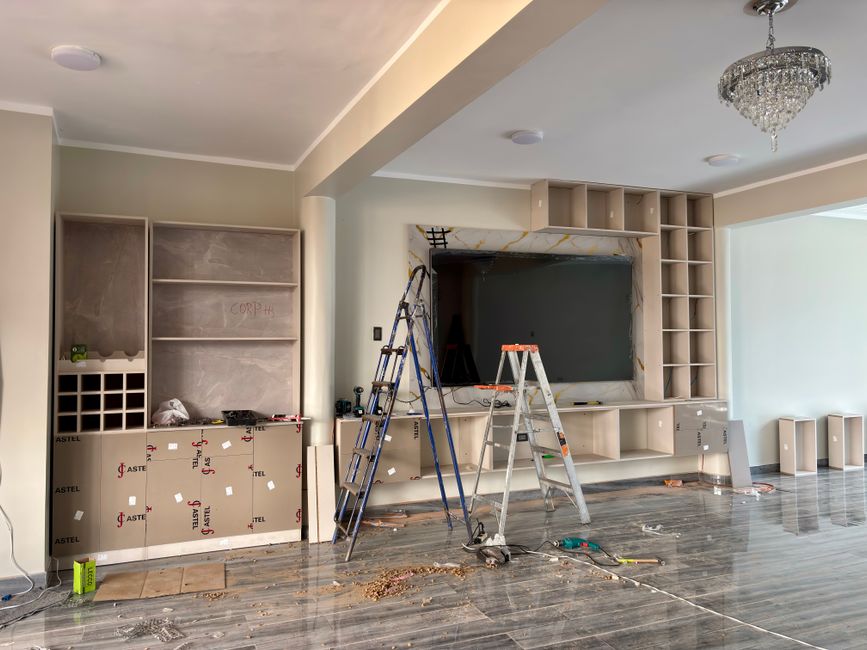
When you move into new construction, you’re starting with a blank canvas. That includes your walls, your lighting, and absolutely your opportunity to bring in greenery from day one. Indoor plant installation for new construction in Austin is actually easier than retrofitting plants into an established home, because you can design your plant scheme alongside your furniture and décor instead of trying to squeeze greenery into existing gaps.
The key difference? New construction gives you the chance to think about light patterns, humidity levels, and traffic flow before you’ve already committed to a layout. You can place that beautiful fiddle leaf fig where the morning sun will hit it, or put moisture-loving plants near the kitchen before you’ve painted the bedroom.
Start with an On-Site Consultation and Space Assessment
Your first step should always be understanding your space. Every room in your new Austin home has different conditions, and plants are picky about where they live.
Walk through each room and ask yourself: Where does the sunlight come in, and when? Is that corner bright all day, or does it get shade by 2 p.m.? How’s the air circulation? New construction homes often feel different than older ones, with sealed windows and central HVAC that creates its own microclimate.
Pay attention to humidity too. Your kitchen and bathrooms will naturally hold more moisture. Your living room or home office might feel drier, especially if you’re running AC in Austin’s heat. Moisture-loving plants like ferns belong near the bathroom. Drought-tolerant plants like snake plants or ZZ plants do better in drier rooms.
Once you’ve mapped these conditions, you’re ready to think about which plants will actually thrive. This is where a professional indoor plant installation and design service can save you months of trial and error. Someone familiar with Austin’s specific climate and your home’s unique conditions can recommend plants that won’t just survive, but genuinely flourish in your space.
Related: Indoor Plant Design for Wellness Spaces in Austin
Related: Indoor Plant Installation for Austin Businesses: A Complete Guide
Custom Plant Design for Your New Home Layout
Once you understand your conditions, the fun part begins: designing where plants go and what they’ll be.
Think about your lifestyle first. Are you working from home? Plants in a home office do double duty, boosting focus and air quality while adding visual interest to video calls. Do you have kids or pets? Some plants are toxic if nibbled, so placement matters. Are you someone who travels a lot, or do you prefer low-maintenance greenery?
Your new construction layout is clean slate. Use it. If you have high ceilings, tall plants like a rubber tree or monstera can fill vertical space without cluttering the floor. Long hallways are perfect for hanging plants that add visual flow without taking up walking room. That awkward corner that came with the floor plan? It might be exactly right for a plant cluster that makes the space feel intentional.
Container choices matter too. New construction homes often have distinct style personalities, and your plant containers should feel like part of that design, not an afterthought. A terracotta pot reads differently than a sleek ceramic or woven basket. All of them work, but only if they align with your aesthetic.
If you’re feeling overwhelmed by choices, that’s completely normal. Nature Indoors specializes in custom plant design for Austin homes, tailored to your space and lifestyle.
Related: Indoor Plant Styling for Modern Austin Homes
Professional Installation in New Construction
Here’s where new construction actually gives you an advantage: professional installation is way easier when nothing else is in place yet.
You don’t have to worry about moving furniture to access windowsills, or figuring out where to drill drainage holes without hitting a wall stud. Your installer can assess the space when it’s empty, understand traffic patterns, and place plants exactly where they’ll be visible and healthy.
Professional installation also means your plants arrive in prepared containers, fully ready for placement. You’re not repotting on day one or figuring out drainage. Everything is designed to work in your space immediately.
Beyond just putting plants down, professional installation handles the practical details that DIY often misses. Proper watering systems, humidity management, and placement that considers both plant health and home design. In a new construction home, this sets you up for success from the moment you move in.
Eco-Friendly Plant Solutions for Austin Homes

Austin values sustainability, and your plant choices can reflect that.
Prioritize plants that thrive without constant intervention. A plant that needs daily water or obsessive humidity control is going to push you toward pesticides or artificial humidifiers. Plants that are naturally suited to Austin’s climate need less interference, less water, and less waste.
Also think about container materials. Ceramic and terracotta are durable and compostable. Sustainable materials feel good, and they look intentional in a home where sustainability clearly matters to you.
Native soil amendments and organic fertilizers work better in contained spaces too. Your new construction home is a closed system, so what you put into the soil matters more than it does in a yard where rain and airflow constantly cycle things through.
Ongoing Maintenance and Care After Installation
Installation day is the beginning, not the end.
New construction homes have quirks you’ll discover over the first few months. That room you thought would stay cool gets intense afternoon sun in June. The bathroom humidity spikes during winter. Your AC runs differently than you expected. Your plants are living things that will respond to these conditions, and professional maintenance helps you adjust.
Ongoing care typically includes watering (or setting up systems so you don’t have to overthink it), rotating plants for even growth, cleaning foliage so they can photosynthesize properly, and catching pest or health issues before they become problems.
For new construction owners, maintenance services are especially valuable in those first six months when you’re still learning how your home actually lives. Professional maintenance support takes the guesswork out of keeping your plants healthy while you’re settling in.
Specific Plant Considerations for Austin’s Climate
Austin’s climate is specific, and it matters for indoor plants too.
Our humidity varies wildly. Summer is often muggy, but winter can be bone-dry, especially with heating running. Plants that do well here are ones that can handle fluctuation without drama. Pothos, philodendrons, snake plants, and ZZ plants are reliable for this reason.
Light is intense here, even indoors. That southern-facing window in an Austin home gets legitimately bright. Some plants will love it; others will get scorched. Understanding your specific light intensity, not just “bright” or “low,” makes a real difference.
Watering schedules shift seasonally too. What works in May doesn’t work in December. New construction homes with sealed windows and controlled HVAC actually make this easier to manage than older, drafty homes, because conditions stay more stable.
Bringing It All Together: Your New Construction Plant Plan
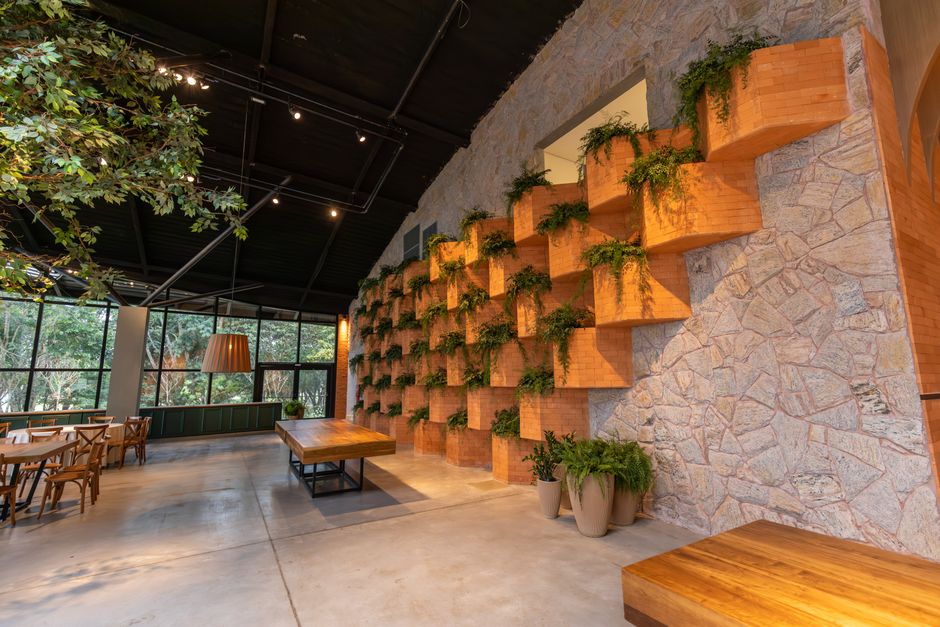
Moving into new construction is your chance to do this right from the start.
Start with a clear assessment of your space. Know your light, humidity, and traffic patterns. Design with intention, thinking about both how plants will look and how they’ll actually live in those conditions. Install them professionally so everything is set up optimally. Commit to ongoing care that adjusts as you learn how your home actually functions.
The result isn’t just a prettier home. It’s a space where greenery makes you feel calmer, more creative, and more grounded. That’s the whole point of bringing plants inside in the first place.
What’s the best time to install plants in new construction?
Right away, honestly. As soon as you have keys and the home is move-in ready. This gives your plants time to acclimate to your space before you’re juggling furniture and boxes. Plus, you can position them before you’ve arranged everything else, so they’re part of your original design, not an afterthought.
Do I need a professional for plant installation, or can I DIY?
You can absolutely DIY, but professionals make it easier and faster. They know which plants work in which conditions without trial and error, they handle container and placement logistics, and they set up systems so your plants thrive immediately. For new construction, it’s worth considering—you’re starting fresh anyway, and doing it right the first time saves frustration later.
How many plants should I install in a new construction home?
That depends on your space, light conditions, and how much time you want to spend on care. A good starting point is one plant per 100 square feet of living space, but that’s just a guideline. Some rooms will feel empty with one plant and crowded with three. Some will feel balanced with five. Walk your space and trust your eye, then talk to a designer if you’re not sure.
What if my new construction home has low light in some areas?
Low light doesn’t mean no plants. Snake plants, pothos, and ZZ plants do great in lower light. They won’t grow as fast or look as full as they would in bright conditions, but they’ll stay healthy and alive. If you really want plants in a dark corner, group several low-light plants together to create visual impact, or rotate plants through that space and move them to brighter spots periodically to recover.