Indoor plant styling for modern Austin homes is all about meeting three things at once: your plant’s needs, your space’s actual conditions, and the aesthetic you want to wake up to every day. The good news? These three things don’t have to fight each other. With a little strategy, you can create a space that looks beautiful, feels peaceful, and keeps your plants actually alive.
Austin’s humidity, bright sunlight through large windows, and contemporary design sensibilities create the perfect backdrop for intentional plant styling. Whether you’re working with a minimalist loft downtown or a bungalow with lots of natural light, the principles are the same.
Start With Your Light Conditions
Before you buy a single plant, figure out what light you actually have. This is the non-negotiable foundation of indoor plant styling.
Walk around your home at different times of day. Notice where direct sun hits. Notice which corners stay dim all day. Notice which rooms get bright, indirect light most of the morning.
Low-light areas (think hallways, north-facing rooms, or spots away from windows) are perfect for Snake Plants, ZZ Plants, and Pothos. These hardy plants don’t just survive low light—they thrive in it. They’re also incredibly forgiving if you forget to water them for a week.
Bright, indirect light (near a south or west-facing window with a sheer curtain) works for a wider range of plants. Monsteras, Rubber Plants, and Philodendrons love this kind of setup.
Direct sun windows are the gold mines of your home. Use these spots for plants that crave it, or protect other plants by filtering the light with a curtain. Get this matching right, and your plant won’t just look healthy—it’ll actually feel vibrant.
Choose Neutral Vessels That Anchor Your Aesthetic
Your pots and planters matter more than most people think. In modern Austin homes, neutral-colored vessels create a cohesive, intentional look that lets your plants be the stars.
White, cream, soft gray, and natural clay tones work with almost every design style. They’re calming. They don’t compete. They make your space feel curated instead of chaotic.
Avoid mixing too many pot colors in one room. If you’ve got three plants on a shelf, aim for two of the same pot and one in a complementary neutral. This creates visual rhythm without looking staged.
Texture matters too. Smooth ceramic, woven baskets, and raw concrete all work beautifully in modern spaces. Pick one or two textures you love and repeat them throughout your home. Your eye will thank you, and your space will feel intentional rather than random.
Build a Jungalow Aesthetic With Layered Placement
The “jungalow” look—a lush, jungle-inspired vibe that still feels modern and organized—is perfect for Austin. It’s about abundance without chaos.
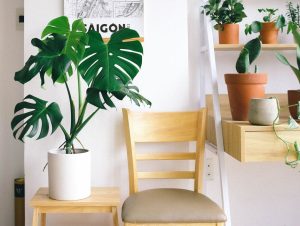
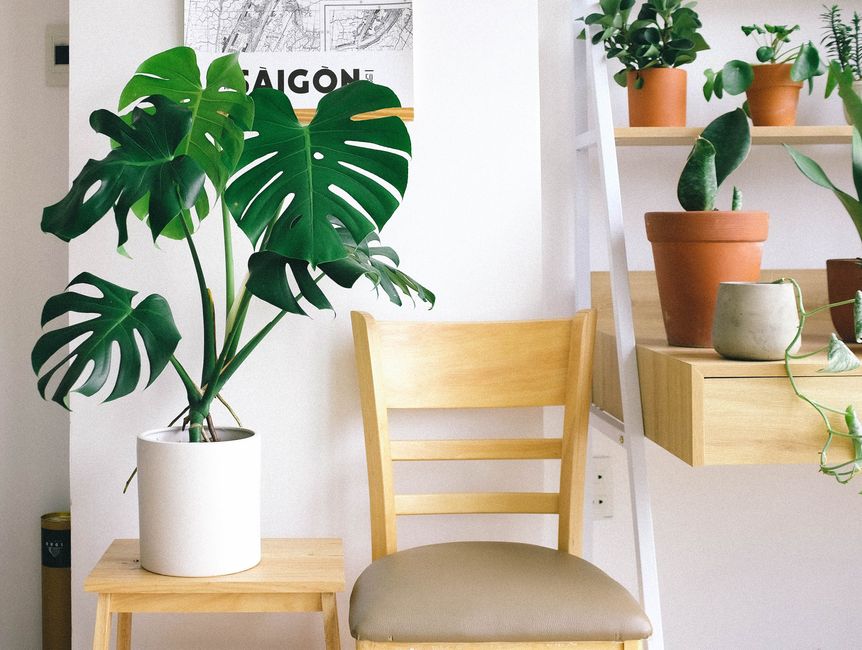
Start by placing larger, statement plants where they anchor a room. A tall Monstera in the corner of your living room, a large Rubber Plant by an entryway, or a trailing Pothos on a high shelf. These plants do the heavy lifting visually.
Then layer in smaller plants around them. Group three small pots on a windowsill. Place a trailing plant on a floating shelf. Put a low plant on a side table. This creates depth and makes your space feel alive without being overwhelming.
The key to jungalow styling is intentionality. Every plant should have a reason for being where it is—either because the light is right, or because it fills a visual gap, or because it brings you joy when you look at it. Probably all three.
Use Statement Plants to Add Visual Interest

Not all plants are created equal in terms of visual impact. Statement plants are the showstoppers. They’re usually larger, have interesting shapes or colors, or both.
Related: Low Maintenance Indoor Plants for Austin Homes
Related: Best Tropical Indoor Plants for Austin Homes
Monsteras with their dramatic split leaves. Tall Fiddle Leaf Figs. Plants with unusual leaf colors or patterns. These plants draw your eye and make a room feel designed.
Use one or two statement plants per room. More than that, and the space starts to feel like a greenhouse instead of a home. Less than that, and the space might feel flat.
A statement plant in a beautiful neutral pot, positioned where it catches morning light and sits at eye level when you’re sitting on your couch, becomes part of your home’s personality. It’s not just decor. It’s an intentional choice.
Layer in Color and Texture
While neutral pots create a cohesive backdrop, your plants themselves bring color and texture. Lean into that.
Mix smooth-leaved plants (like Monsteras or Rubbers Plants) with feathery or delicate foliage (like Ferns or Asparagus Ferns). Combine deep greens with lighter, variegated plants. Add trailing plants that soften hard edges of shelves and furniture.
This isn’t about creating chaos. It’s about creating visual richness. Your eye moves through the space, finding small moments of interest and contrast. It feels dynamic instead of sterile.
Texture especially transforms a space. Trailing plants soften architectural lines. Broad-leaved plants ground a corner. Delicate plants add airiness. Together, they make a room feel thoughtfully designed.
Think About Placement Strategy Across Your Whole Home
Indoor plant styling isn’t just about individual plants. It’s about how they work together throughout your space.
Think about sight lines. What plants do you see when you walk into your home? When you sit at your desk? When you wake up? These plants set the tone for your entire day.
Use plants to draw attention where you want it. If you have a beautiful corner that feels empty, a tall plant there becomes a focal point. If a hallway feels dark and narrow, a few plants on shelves create visual interest and make the space feel more inviting.
Group plants in odd numbers (three, five) rather than even numbers. This feels more natural and intentional than pairs. It’s a simple principle, but it works.
If you’re styling multiple rooms, aim for consistency in your vessel choices and plant types. You don’t need the same plants everywhere, but if your living room features white pots and trailing plants, carry some of that forward into your bedroom or home office. Your home will feel cohesive instead of random.
Master the Fundamentals of Plant Care

The best styled plants are healthy plants. If your plant is drooping or yellowing, even the most beautiful pot can’t fix it.
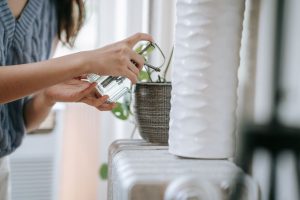
Learn to water correctly. Most indoor plants prefer to dry out a bit between waterings rather than stay constantly moist. Stick your finger in the soil. If the top inch is dry, water. If it’s still moist, wait. That’s it.
Light, water, and occasional feeding are 90% of indoor plant care. Get those right, and your plants will look vibrant. Neglect them, and even a gorgeous plant will disappoint you.
If plant care feels overwhelming or you want a space that’s truly thriving without the maintenance stress, Nature Indoors offers custom plant design and ongoing maintenance services tailored to Austin homes. It’s one way to guarantee your styled space stays beautiful year-round.
Bring Intentionality Into Your Indoor Space
The most beautiful indoor plant styling isn’t about following a formula. It’s about creating a space that feels right to you—that brings you calm, creativity, and a sense of connection to nature.
Austin homes have so much potential for this. The light is generous. The design aesthetic leans modern and minimal. Your residents genuinely care about wellness and sustainability. Plants fit perfectly into that value system.
Take your time with placement. Move things around. Live with a plant in one spot for a few weeks, then try it somewhere else. Let your home tell you what it needs. Trust that process, and your styled space will feel intentional instead of forced.
Common Questions About Indoor Plant Styling in Austin
What plants work best for low-light Austin homes?
Snake Plants, ZZ Plants, and Pothos are your heroes for low-light spaces. They’re tough, they stay green, and they don’t make you feel guilty when you forget to water them. All three thrive in hallways, offices, or corners that don’t get direct sun. They’re also beautiful in neutral pots, so they fit any design aesthetic.
Should I worry about humidity for indoor plants in Austin?
Austin’s naturally humid climate actually works in your favor. Most tropical houseplants (which make up the bulk of popular indoor plants) love humidity. You don’t need to mist constantly or create a special humid environment. The air in your home already supports healthy plants. The main thing is making sure your pots have drainage holes so roots don’t sit in water.
How often should I repot or rotate my indoor plants?
Most indoor plants need repotting every 12-18 months as they grow. You’ll know it’s time when roots start coming out of the drainage holes or the plant stops growing. As for rotation, gently rotating your plants a quarter turn every week or so helps them grow evenly and prevents them from leaning toward the light. It’s a small touch that makes a big difference in appearance.
Can I style plants in rooms without windows?
Absolutely, but pick plants carefully. Low-light champions like Snake Plants, Pothos, and ZZ Plants can handle it. You might also use a simple grow light (they’re sleek and unobtrusive now) to give plants a bit of supplemental light. The trade-off is that plants in windowless rooms grow more slowly, so don’t expect explosive growth. But they’ll stay alive and green, which is the goal.