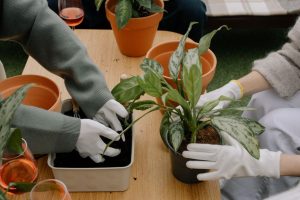

If you’re thinking about bringing plants into your office, restaurant, or retail space, you’ve probably wondered whether to lease or buy. Here’s the honest answer: plant leasing is a full-service solution that includes watering, grooming, and maintenance, while buying means you own the plants outright but handle all the care yourself. The best choice depends on your timeline, budget, and how much plant care responsibility you want to take on.
Let’s break down both options so you can decide what actually makes sense for your business.
Related: Indoor Plant Leasing vs. Buying in Austin: Which Is Right for You?
Understanding Plant Leasing for Businesses
Plant leasing is exactly what it sounds like: you pay a monthly fee, and a service provider handles everything. They water, prune, fertilize, replace struggling plants, and adjust your greenery as your needs change.
This approach is built for busy businesses. You don’t need to hire someone to remember watering schedules or worry about whether your ficus is getting enough light. The maintenance burden shifts entirely to the leasing company.
Leasing also gives you flexibility. If your office expands, you add more plants. If you’re running a seasonal pop-up, you can lease plants for just those months. If a space isn’t working out, you adjust without guilt about wasting money on a plant purchase.
The upfront cost is low. You’re not dropping thousands of dollars on greenery before you even know if it’ll work in your space. Instead, you spread costs across predictable monthly payments.
For businesses that want professional plant care without the headache, Nature Indoors handles the entire relationship between your space and the plants in it, customizing designs and keeping everything healthy year-round.
The Case for Buying Plants Outright
Buying plants means you own them as business assets. That’s valuable if you plan to keep greenery in place long-term and want to build equity in your space over time.
You also get complete control. You choose exactly which plants go where. You decide the aesthetic. Nobody else is making decisions about your interior environment.
If budget allows and you have someone on staff (or you personally) who can handle plant care consistently, buying can be the more economical route over several years. You avoid recurring monthly fees, and plants become part of your permanent setup.
The tradeoff is significant, though: you take on all maintenance responsibilities. That means watering on schedule, monitoring for pests, pruning dead leaves, fertilizing, and potentially replacing plants when they decline. It also means managing the learning curve of understanding what different plants need.
Comparing Costs and Commitment
Buying requires a larger upfront investment. Depending on the size of your space and plant selections, you could spend hundreds or thousands of dollars immediately. Then you’re responsible for ongoing care supplies and any replacements.
Leasing requires much lower upfront capital. You’re paying monthly, which is easier on cash flow and lets you test drive plants before committing. If it doesn’t work out, you end the lease and move on without sunk costs.
Predictability matters, too. A leasing agreement gives you a fixed monthly fee with no surprises. Buying might seem cheap initially, but unexpected pest problems, nutrient deficiencies, or plant death can add costs you didn’t anticipate.
When Leasing Makes the Most Sense

Leasing shines when you need flexibility, have limited in-house maintenance capacity, or want to test plants before a long-term commitment.
Short-term projects are ideal for leasing. Temporary offices, seasonal retail displays, or event spaces benefit from plants without permanent purchase obligations.
Ongoing workplace environments also thrive with leasing. Your office, hotel lobby, or restaurant gets consistent, professional plant care every month. Nothing gets forgotten or neglected.
If you don’t have staff trained in plant care or nobody has time to prioritize watering schedules, leasing eliminates that friction entirely.
When Buying Makes Sense
Buying works best when you have the budget upfront, a clear long-term vision for your space, and either the knowledge or dedicated staff to maintain plants properly.
If you’re building a permanent, branded interior environment and greenery is core to that vision, owning plants lets you invest in exactly what you want without monthly service agreements.
Buying is also smart if you already have someone on your team who genuinely enjoys plant care or has horticultural experience. When maintenance falls to someone who cares about the plants, results are often better than outsourced care.
Making Your Decision
Start by asking yourself three questions:
- How long will I keep plants in this space? Temporary or uncertain? Lease. Permanent setup? Buying might win.
- Do I have time and expertise for plant care? Yes? Buying could work. No? Lease.
- What’s my budget situation? Limited upfront cash? Lease. Comfortable with a capital spend? Buying is an option.
There’s no wrong answer. Many Austin businesses find that Nature Indoors tailors a plant program that fits their exact situation, whether that’s a full lease, a purchase with optional maintenance, or something hybrid.
Related: Plant Maintenance Packages for Austin Businesses: What to Expect
The Practical Reality

Here’s what most businesses discover: the best choice isn’t always pure leasing or pure buying. Some spaces work with a combination, where certain plants are leased for high-maintenance areas and others are purchased for low-maintenance corners.
The key is removing guesswork. Talk to a plant professional about what your space actually needs, what maintenance realistically happens in your business, and what your budget allows. That conversation usually clarifies the answer fast.
Whether you lease or buy, the goal is the same: having healthy, beautiful plants in your space without it becoming a source of stress or neglect. Plants should enhance your business environment, not burden it.
Frequently Asked Questions
What happens to plants when I cancel a lease?
The leasing company retrieves the plants. You don’t need to worry about what happens next or where they go. Your only job is deciding when to end the agreement.
Can I buy plants later if I start with a lease?
Absolutely. Many businesses lease first to see what works in their space, then purchase favorites once they know exactly what they want. It’s a smart way to learn without risk.
Is leasing more expensive than buying over five years?
It depends on plant quality, maintenance costs, and replacements if you’re buying. Leasing spreads costs predictably, while buying’s total cost depends on how well you keep plants alive and market prices for replacements.
What if I buy plants but can’t maintain them?
You can hire a maintenance service separately, or you can pivot to leasing when it becomes clear ownership isn’t working. Either way, the plants don’t have to suffer. The sooner you recognize it’s not sustainable, the sooner you can fix it.